




Article
AI Skin Analysis Starts with Image Quality: How Dermatoscopes Support Dermatology Software Platforms?
At IBOOLO, we see AI skin analysis as a workflow that begins before an algorithm processes an image. Dermatology software can classify, compare or analyze only the visual information contained in the image it receives. If the photograph is out of focus, affected by glare, captured from an inconsistent distance or missing important dermoscopic detail,…
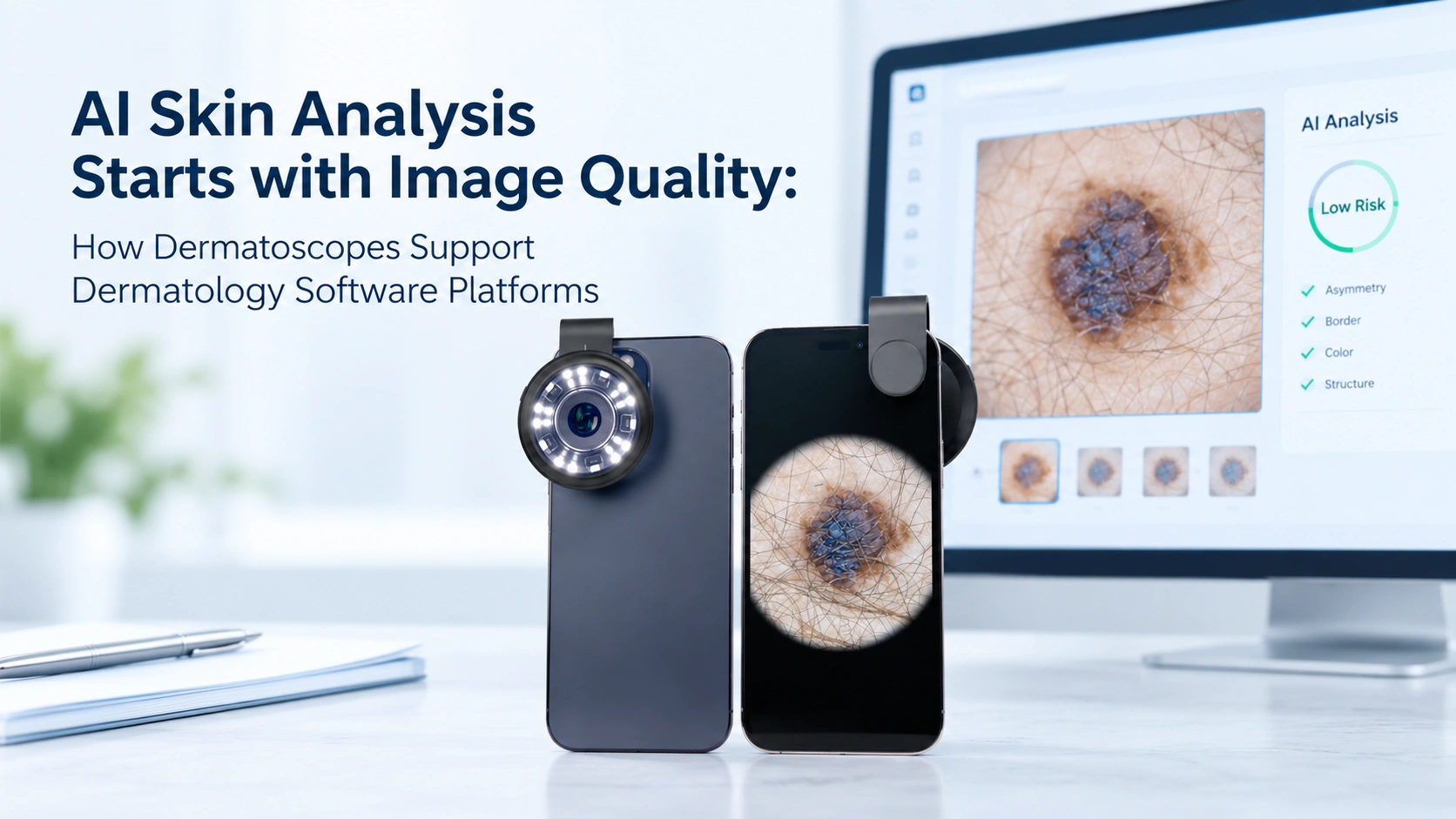
At IBOOLO, we see AI skin analysis as a workflow that begins before an algorithm processes an image. Dermatology software can classify, compare or analyze only the visual information contained in the image it receives. If the photograph is out of focus, affected by glare, captured from an inconsistent distance or missing important dermoscopic detail, software has less useful visual information to work with. This is where IBOOLO dermatoscopes can support AI skin-analysis platforms: by providing optical magnification, controlled illumination, polarization and smartphone connectivity at the image-acquisition stage.
Why Does AI Skin Analysis Start with Image Quality?
AI-based dermatology tools are increasingly being developed around smartphone images, clinical photography and dermoscopic images. These systems may support lesion classification, triage, documentation, teledermatology or other forms of decision support. However, an AI model does not observe the skin directly. It observes a digital image.
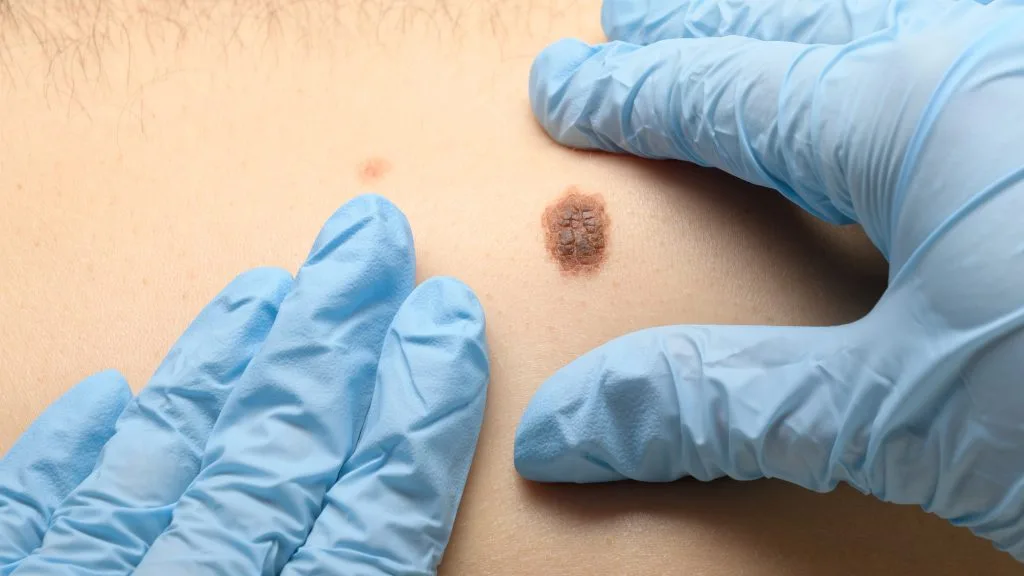
This distinction matters.
A 2026 prospective study of an AI-based skin-cancer smartphone application included 1,904 lesions. Despite optimal conditions, image capture was unsuccessful for 16.6% of lesions. A substudy demonstrated low image-capture success in user hands (28.9%) and variation in diagnostic performance between smartphone models. The study highlights that real-world image acquisition remains an important limitation for smartphone-based AI workflows.
Image quality is not the only factor affecting an AI system. Training data, labels, algorithm design, external validation, skin-tone representation and clinical context also matter. But the input image is one part of the system that can be controlled before analysis begins.
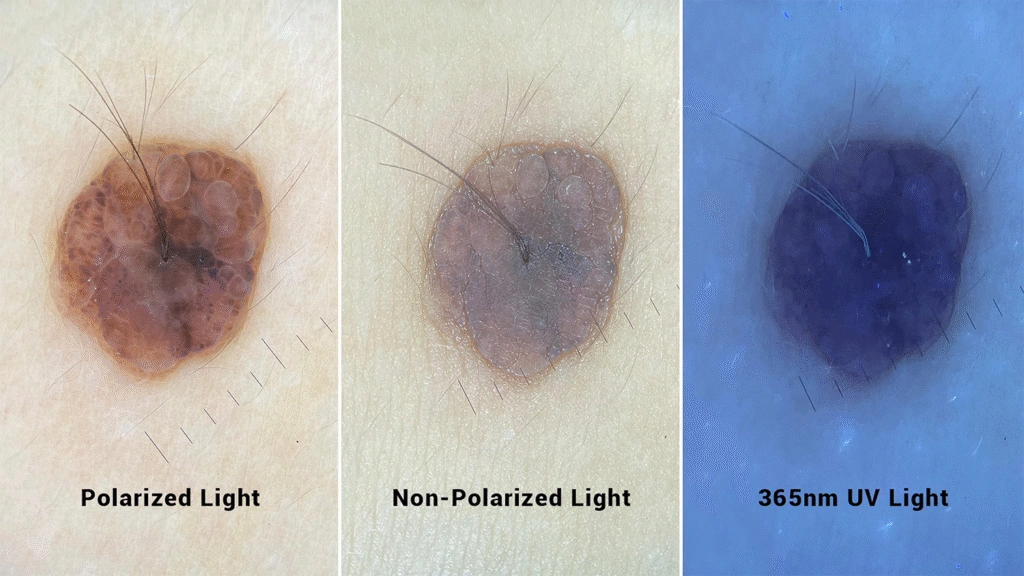
For software developers, this creates an important product question: how should users capture the image that will be analyzed?
Why Are Ordinary Smartphone Photos Not Always Enough for Skin AI?
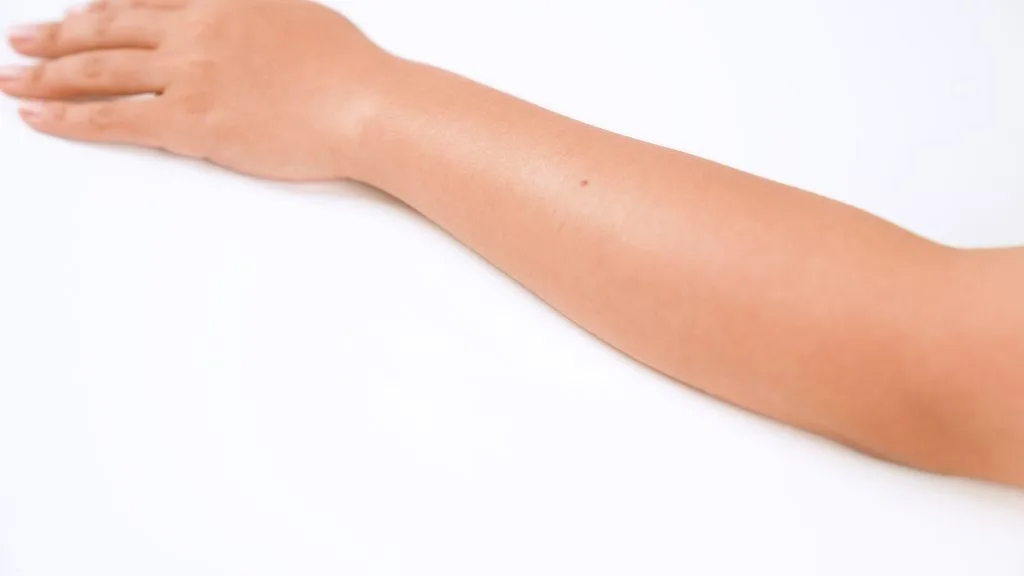
Smartphones are convenient and widely available, but photography conditions can vary significantly from one user to another. The distance between the camera and skin may change, ambient lighting may be uneven, surface glare may obscure part of the lesion, and automatic camera functions may switch lenses or modify exposure.
Focus is another practical problem. A photograph may look acceptable on a phone screen but still lack the detail required for close structural analysis. Digital zoom can enlarge pixels without adding true optical information, while excessive distance can make the lesion occupy only a small part of the frame.
Dermatological imaging guidelines have long emphasized the importance of consistent lighting, field of view, orientation, focus, resolution and scale. Standardized acquisition is important not only for clinical photography, but also for teledermatology, follow-up and research image archives.
For an AI skin-analysis company, asking users to take a clear photo may therefore be too vague. A defined optical capture method can create a more controlled starting point.
Why Should AI Software and Dermatoscope Hardware Work as One Workflow?
A smartphone-only workflow is usually simple:
Skin → Smartphone → Software → Analysis
Adding a dermatoscope creates an optical acquisition layer:
Skin → Dermatoscope → Smartphone → Software → Analysis
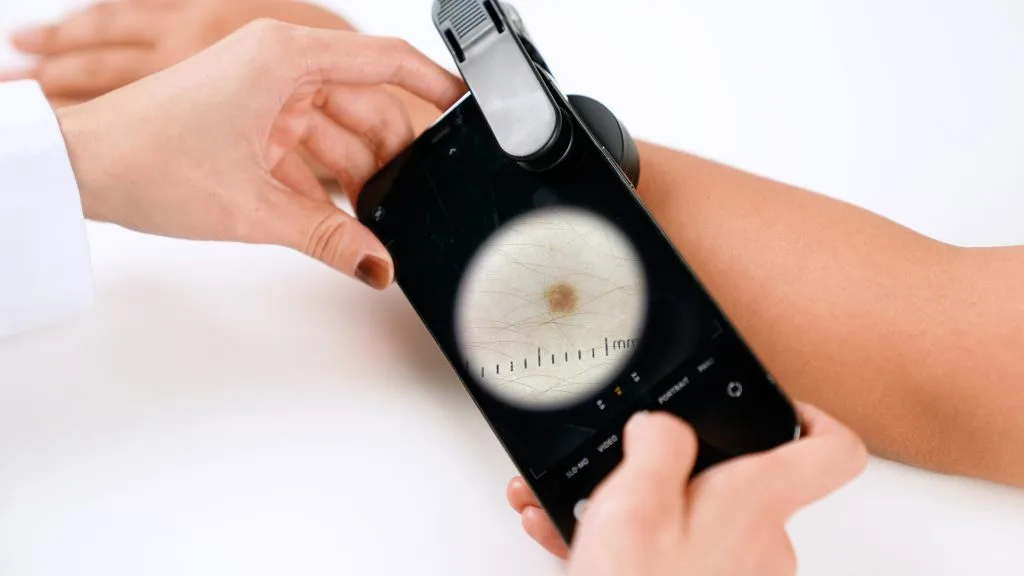
For dermatology software companies, this additional step can make the imaging instructions more specific. Instead of telling users only to capture a close, clear photograph, the platform can define which hardware, illumination mode and capture method should be used.
This has value beyond image quality.
A software company can build onboarding instructions around a defined capture device. The software interface can ask the user to connect the dermatoscope, select polarized or non-polarized mode, center the lesion and capture the image before analysis. The software can then check blur, exposure or framing before accepting the file.
This turns a software product into a more complete image acquisition and analysis workflow.
It can also create a clearer commercial package. Instead of providing only an app subscription, a dermatology software company can provide a hardware-supported solution in which the imaging device and software are delivered together.
How Do the IBOOLO DE-300 and DE-400 Fit AI Image-Capture Workflows?
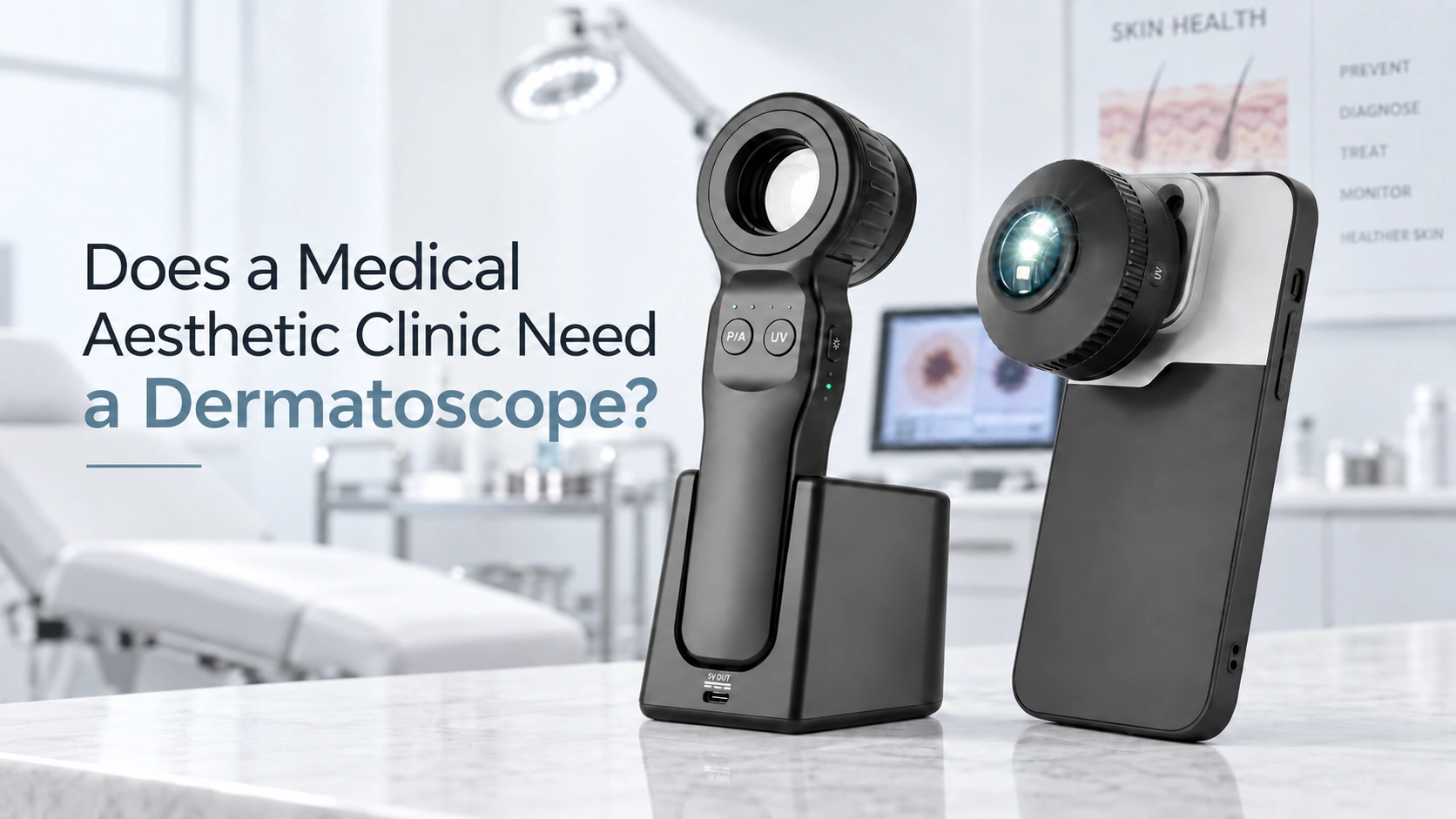
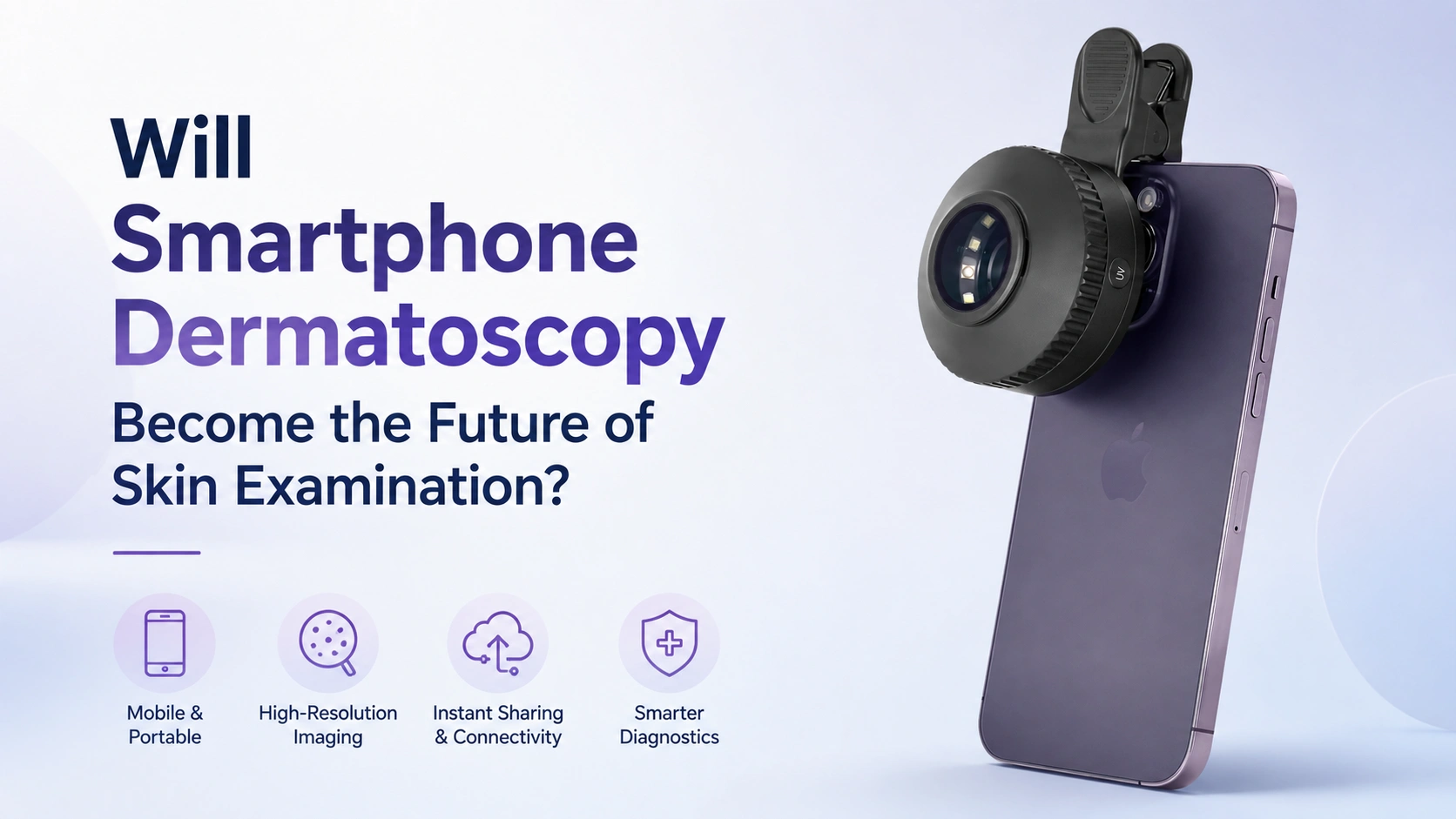
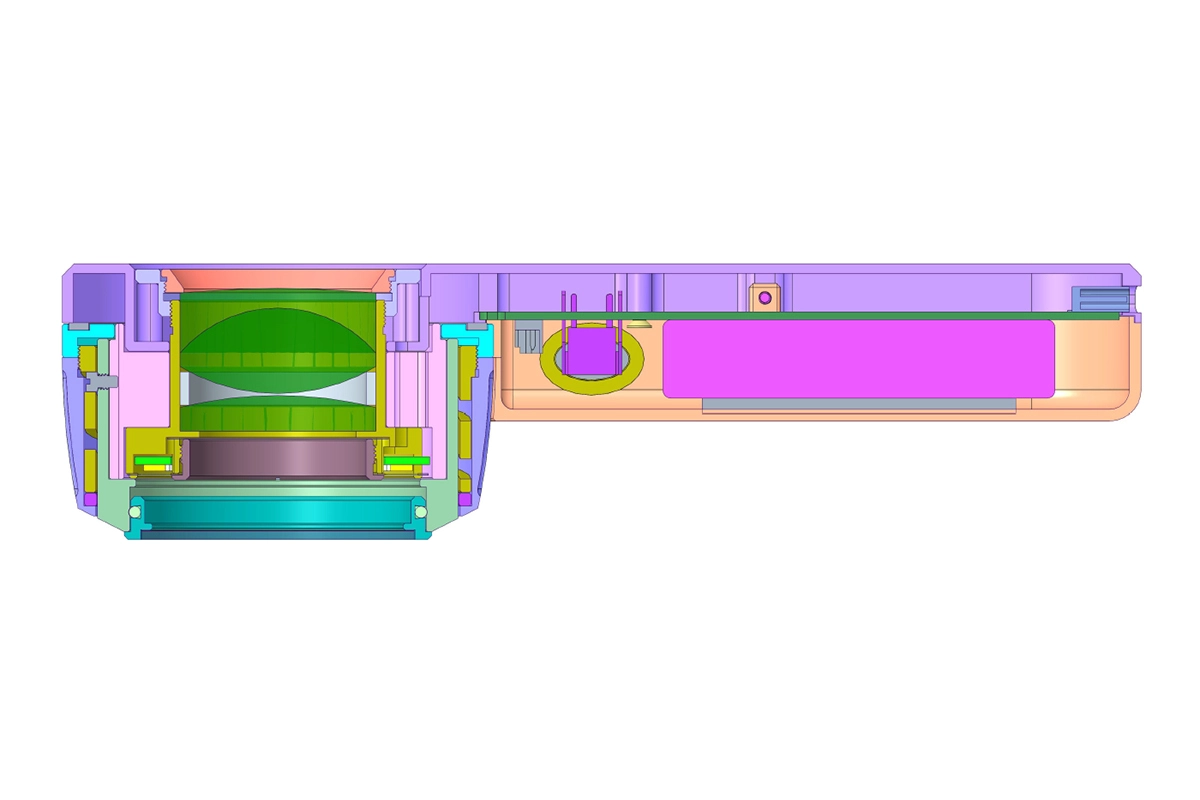
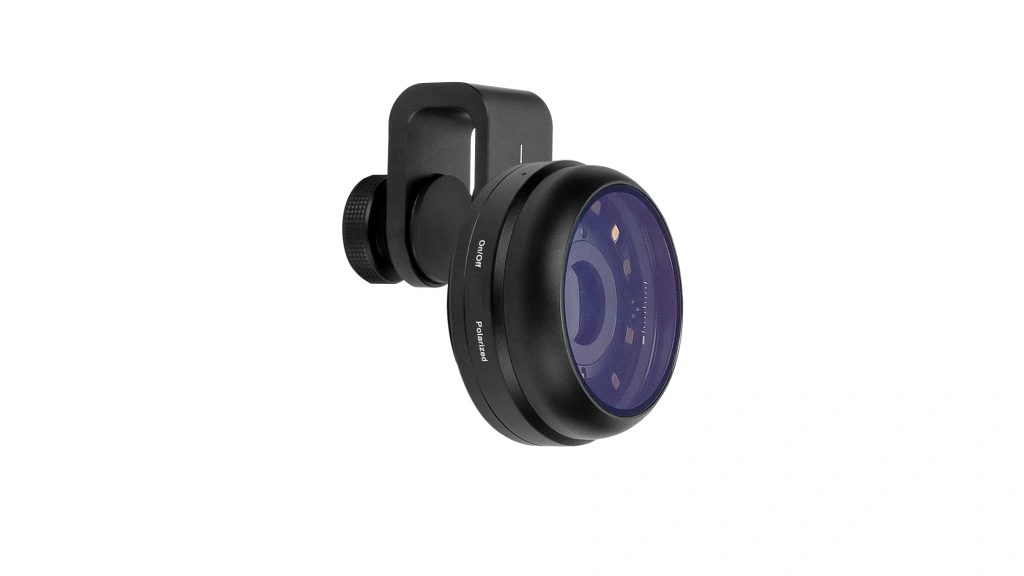
At IBOOLO, we position the DE-300 and DE-400 as two compact hardware options for dermatology software companies that want to add dermoscopic image capture to their platform. Both models connect to smartphones and tablets, support polarized and non-polarized illumination, and can be integrated into mobile image-acquisition workflows without requiring a large clinical imaging system.
The IBOOLO DE-300 is priced at USD 109 and is designed as an accessible entry point for software companies that want to bundle a dermatoscope with an app or subscription service. It provides 6X magnification, polarized and non-polarized illumination, and a compact form factor that is easy to distribute to end users. For platforms that need to deploy hardware across a larger user base while keeping the total package cost under control, the DE-300 can serve as a practical optical capture accessory.
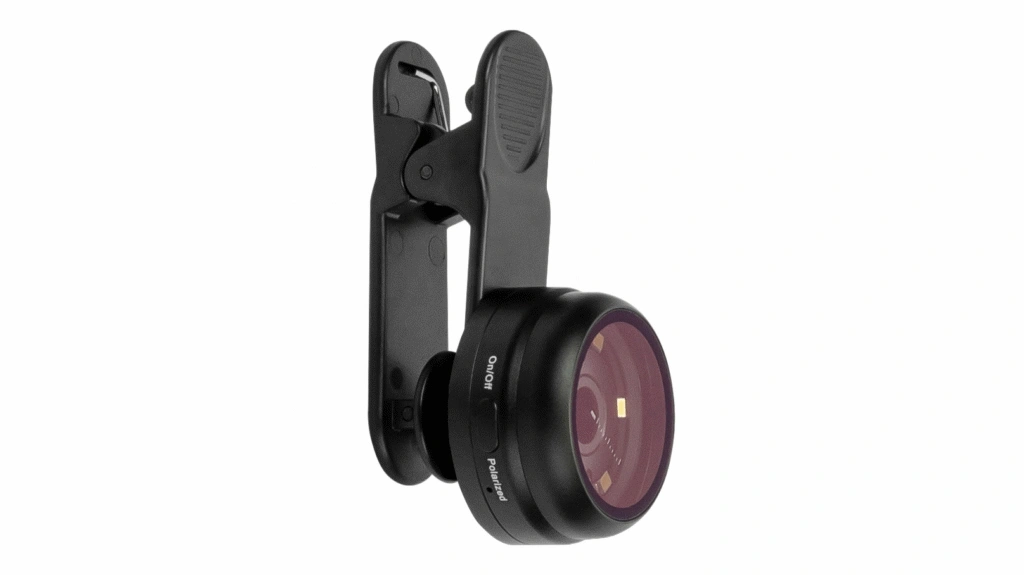
The IBOOLO DE-400 is priced at USD 179 and provides 10X magnification with improved optical performance while maintaining the same lightweight smartphone and tablet workflow. We recommend it for software companies that want to offer a higher hardware tier, especially when image detail and stronger optical magnification are more important to the intended workflow.
| Feature | IBOOLO DE-300 | IBOOLO DE-400 |
| Retail Price | USD 109 | USD 179 |
| Magnification | 6X | 10X |
| Lighting Modes | Polarized, non-polarized | Polarized, non-polarized |
| Smartphone/Tablet Support | Yes | Yes |
| Product Positioning | Entry-level hardware for broad deployment | Higher optical tier for professional packages |
For bulk orders, software integration projects, or private-label packages, companies can contact IBOOLO directly for wholesale pricing. Large-volume orders can receive significantly better pricing than standard retail purchases. We also support OEM and ODM cooperation, including free logo engraving for qualified bulk orders, customized packaging, optical configuration, product color, and exterior design.
How Can IBOOLO and AI Dermatology Companies Work Together?
A complete dermatology technology product may require different companies to focus on different parts of the workflow.
The software partner can provide the algorithm, application, cloud platform, image management, user interface and decision-support functions.
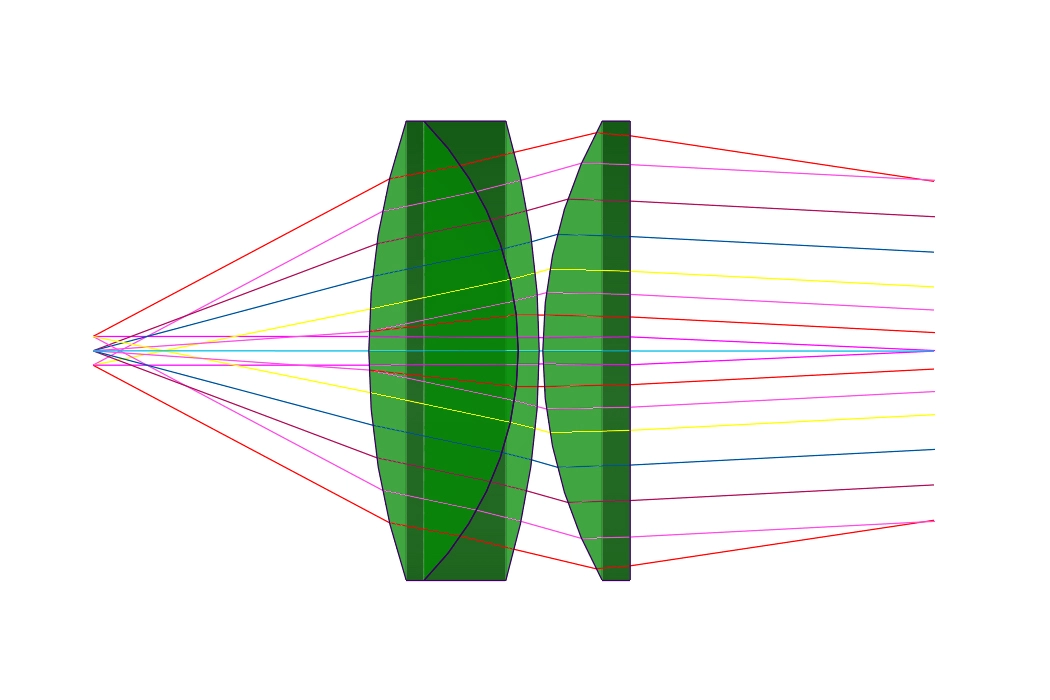
IBOOLO can provide the dermatoscope, optical system, polarization, illumination, smartphone adapter, hardware manufacturing, customization, packaging, logistics and after-sales support.
Together, the workflow becomes:
IBOOLO Dermatoscope→Smartphone→Partner Software→AI Analysis or Teledermatology Workflow
For IBOOLO, the goal is to provide a reliable optical front end that helps the software receive a more controlled dermoscopic image.
As AI skin-analysis platforms continue to develop, the quality of the algorithm will remain important. But so will the quality and consistency of the image entering that algorithm. For software companies building a complete dermatology solution, connecting image acquisition hardware with the software experience can turn a standalone app into a defined clinical or professional workflow.
Request a DE-300 or DE-400 Sample
Request a DE-300 or DE-400 Sample
DE-300
Request DE-300 Sample
DE-400
Request DE-400 SampleWhat Are the Most Common Questions About Dermatoscopes and AI Skin Analysis?
Why does image quality matter for AI skin analysis?
AI can analyze only the information present in the image it receives. Focus, lighting, framing, distance and smartphone-camera differences can therefore affect the quality and consistency of the input image.
Can a dermatoscope improve images used by skin-analysis software?
A dermatoscope can provide controlled illumination, optical magnification, polarization and a more fixed camera connection. These features can make image acquisition more controlled and provide dermoscopic information that is not captured in the same way by ordinary smartphone photography.
Can the DE-300 and DE-400 connect to smartphones?
Yes. Both models support smartphone and tablet imaging through compatible universal adapters. The DE-300 provides 6X magnification, while the DE-400 provides 10X magnification. Both offer polarized and non-polarized illumination.
Which model is more suitable for a software bundle: DE-300 or DE-400?
The DE-300 is suitable when compact size and accessible deployment cost are the main priorities. The DE-400 provides 10X magnification and a higher optical tier for software packages that place greater emphasis on dermoscopic image detail.
Can IBOOLO customize dermatoscopes for an AI skin-analysis company?
Yes. For suitable OEM/ODM and bulk projects, IBOOLO can discuss logo engraving, customized packaging, optical configuration, phone-adapter design, product color and exterior customization. The final solution depends on project quantity and technical feasibility.