




What Skin Conditions Are Most Common in the Winter? – IBOOLO

Shenzhen Iboolo Optics Co.Ltd is a professional company in the camera lens field in China, and IBOOLO is a reputable manufacturer and supplier of all types of camera lens, including Macro lens, Woods Lamp, Dermatoscope and Microscope.

Article

What Skin Conditions Are Most Common in the Winter?

Winter is associated with lower humidity, colder temperatures, and increased exposure to indoor heating, all of which reduce the skin’s water content. The combination impairs the skin barrier and increases susceptibility to several dermatologic conditions. Among the most common are simple xerosis, atopic dermatitis, and chilblains. Although these disorders differ in cause and clinical appearance,…

Winter is associated with lower humidity, colder temperatures, and increased exposure to indoor heating, all of which reduce the skin’s water content. The combination impairs the skin barrier and increases susceptibility to several dermatologic conditions. Among the most common are simple xerosis, atopic dermatitis, and chilblains. Although these disorders differ in cause and clinical appearance, they share the underlying effect of reduced barrier function and altered microcirculation during cold months.

What Characterizes Winter Xerosis?

Xerosis is one of the most frequent complaints in cold seasons. Some dermatology guidelines describe xerosis as a result of impaired lipid organization in the stratum corneum, a weakened barrier, and increased transepidermal water loss. Winter accelerates this process because cold air holds less moisture and indoor heating further dehydrates the skin.

Clinically, patients report tightness, mild itching, and a rough surface texture. The skin often appears dull and may develop fine scaling, most commonly on the legs, hands, and arms. In more pronounced cases, fissuring can occur, especially around the knuckles or heels, because low humidity reduces elasticity. Xerosis does not typically show inflammation unless it progresses to irritant dermatitis from scratching.

This condition is generally reversible with improved hydration and barrier repair. However, persistent xerosis may act as a trigger for flares of eczema or other inflammatory skin diseases, particularly in individuals with an impaired skin barrier baseline.
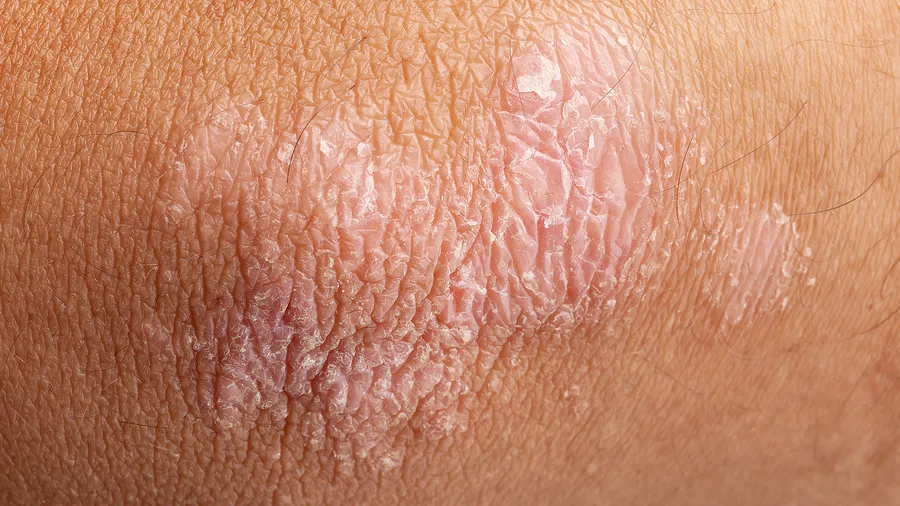
xerosis
Winter Xerosis

Why Does Atopic Dermatitis Worsen in the Winter?

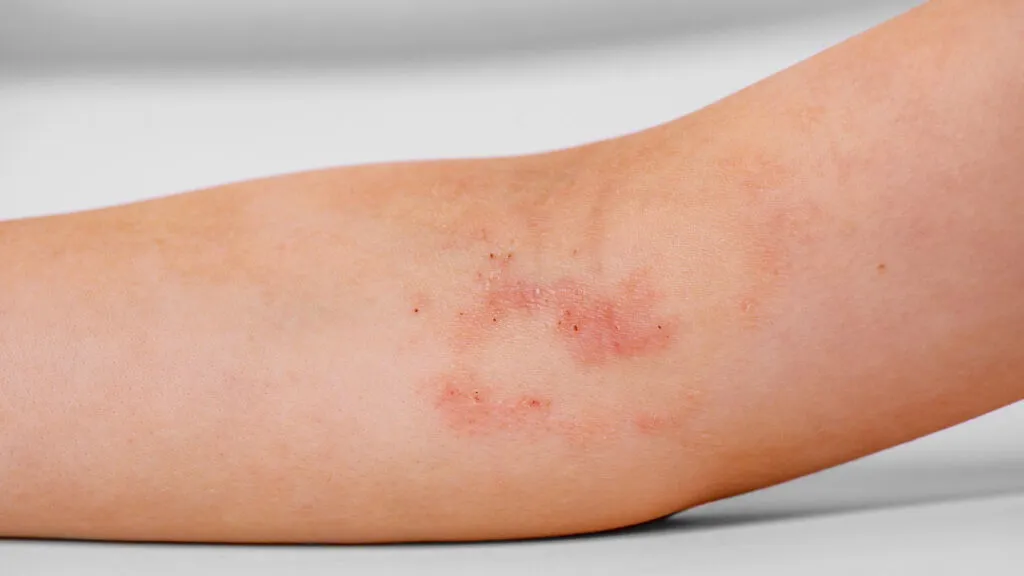
Atopic dermatitis is a chronic inflammatory disorder influenced by genetic, immunologic, and environmental factors. Reduced humidity weakens the already compromised barrier of people with AD, making their skin more reactive to irritants and allergens.

Typical winter presentations include increased erythema, intense pruritus, and thickened lichenified patches due to chronic scratching. Flexural areas remain the most common sites, but winter dryness often causes additional involvement of hands and exposed facial regions. Because atopic dermatitis can mimic other dermatoses, especially in winter when xerotic eczema is prevalent, dermoscopic evaluation supports more precise differentiation.
Nimetön malli - 1
Atopic Dermatitis

How Do Chilblains Present During Cold Weather?

Chilblains arise from abnormal vascular responses to cold exposure. When the skin is exposed to low temperatures, microcirculation becomes unstable. Rapid rewarming can cause leakage from small blood vessels, leading to inflammation of the superficial dermis.

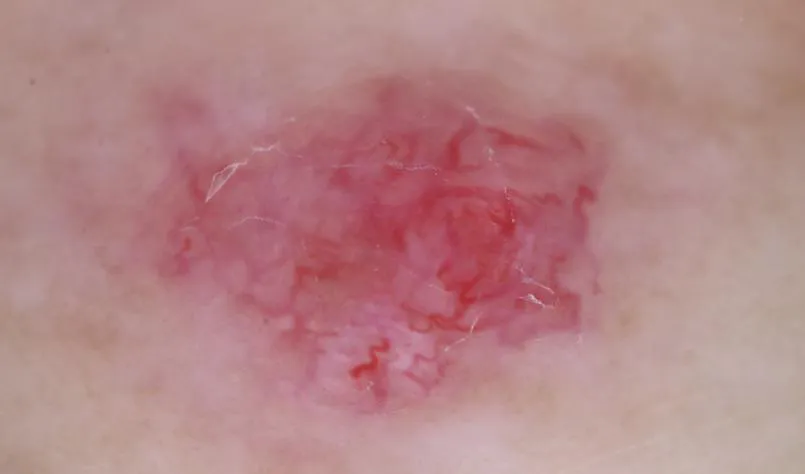
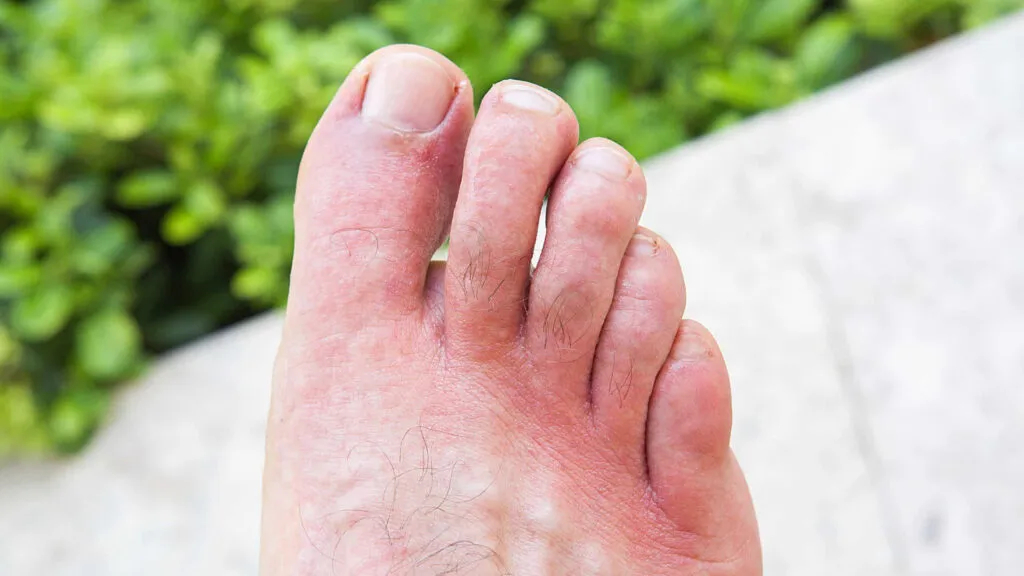
Clinically, chilblains appear as red-purple patches or nodules on fingers, toes, ears, or other acral surfaces. Patients often describe burning, itching, or pain. Severe cases may develop edema or blistering. Chilblains are common in individuals spending prolonged time in unheated environments or with inadequate protective clothing. They also occur more frequently in people with low BMI or underlying vascular sensitivity.

Most cases are idiopathic and benign, though secondary causes should be excluded if lesions are persistent or recurrent. Winter is the peak season because of sustained exposure to cold and damp environments.
chilblains2
Chilblains

What Dermoscopic Features Help Distinguish These Conditions?

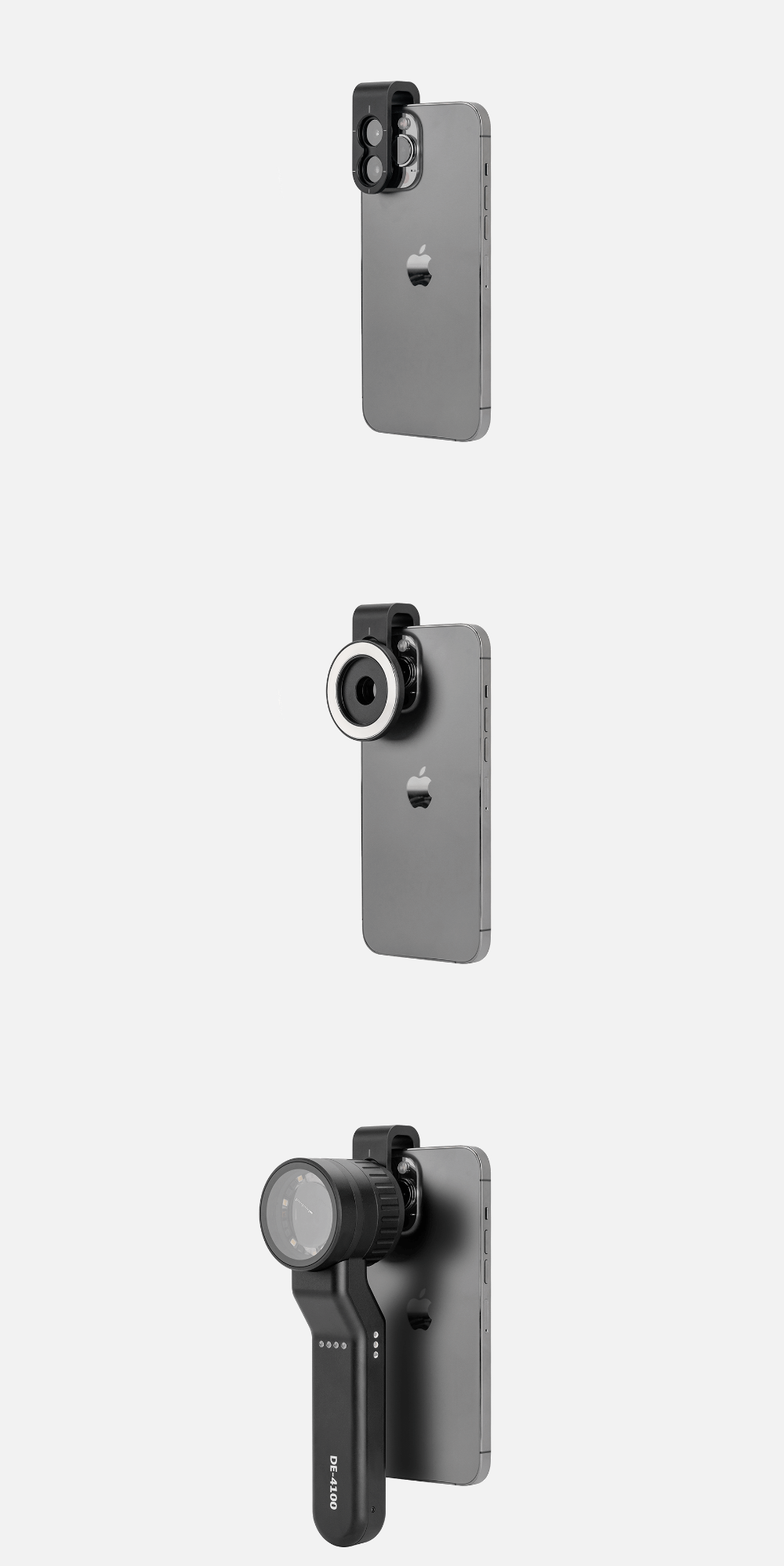
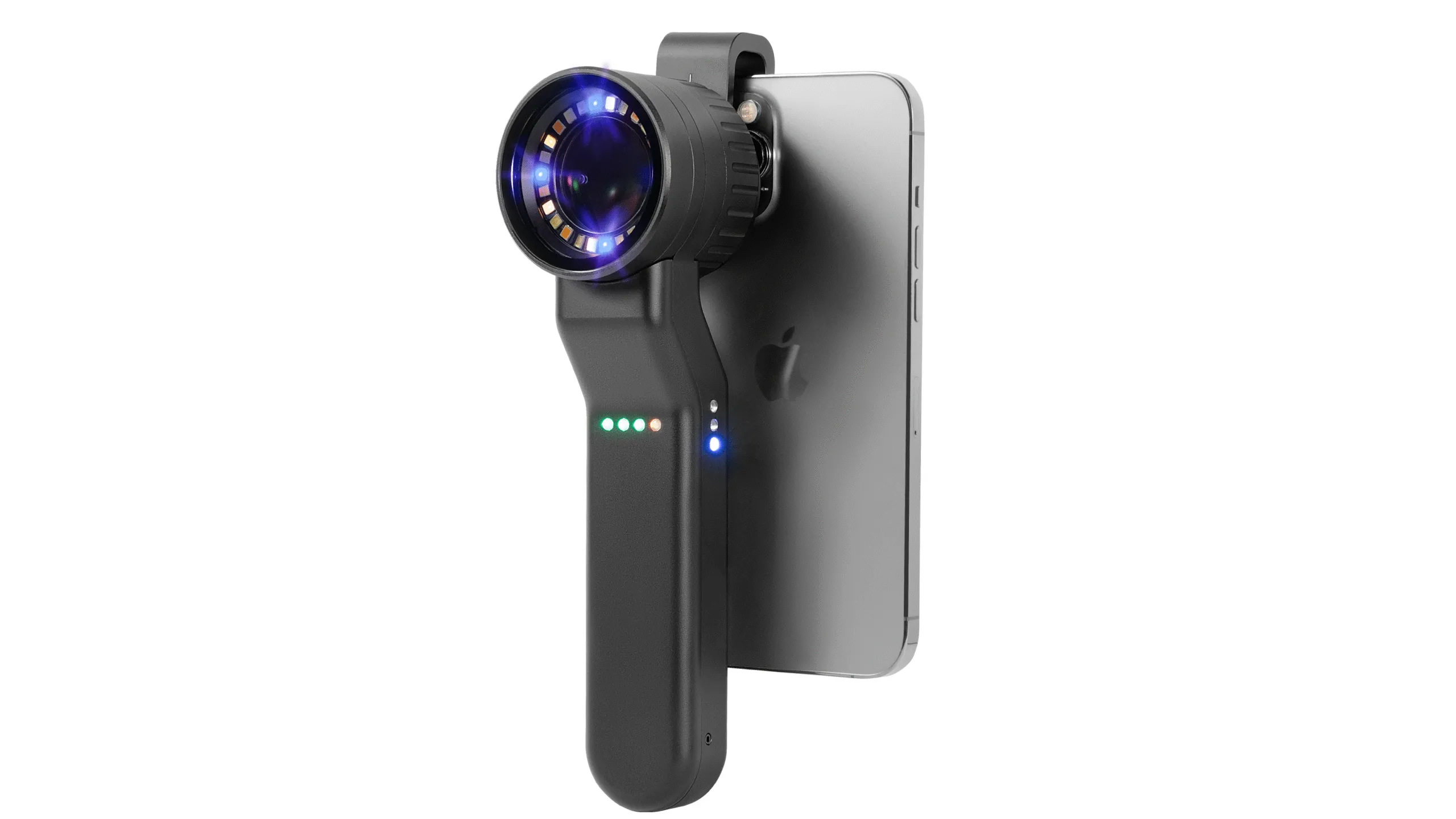
Dermoscopy, utilizing a handheld magnifier like the IBOOLO dermatoscope, is a valuable adjunctive tool in the diagnosis of pigmented and non-pigmented winter dermatoses, primarily by confirming the presence of characteristic microstructures and ruling out infectious or neoplastic processes.

Xerosis usually shows a non-specific dermoscopic pattern. It lacks prominent erythema, and dermoscopy generally shows a pale background without dilated vessels. But the absence of significant inflammatory vascular structures differentiates it from the more active inflammation of AD and PMLE.

For Atopic Dermatitis, dermoscopy helps characterize the degree of inflammation and barrier disruption. Findings often include an irregularly distributed network of fine, white to yellowish scales corresponding to the surface dryness, and scattered, prominent punctate (dot-like) vessels indicating underlying dermal inflammation. Excoriation marks, often presenting as linear crusts or petechiae from scratching, are also commonly visible.

Chilblains present a unique dermoscopic pattern dominated by vascular pathology. The lesions often reveal a background of diffuse erythema with prominent, dense, irregular vascular arrays. Depending on the stage, focal areas of hemorrhage (red-purple dots) or crusting may be observed.
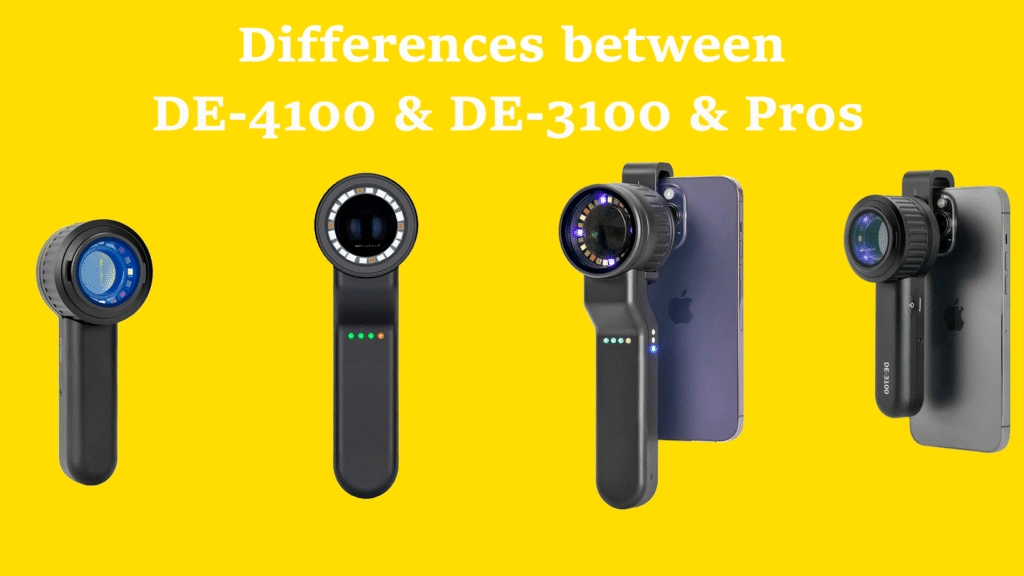
DE-4100 PRO UV
IBOOLO DE-4100 RPO

What Daily Routines Are Essential for Winter Skin Health?

Preventing the exacerbation of winter dermatoses requires a proactive approach focused on protecting the skin barrier from the dehydrating effects of cold, dry air. The solution is two-fold: environmental control and optimized topical care.

Environmental Control: The single most effective measure is to increase indoor humidity. Using a humidifier, particularly in the bedroom, can significantly reduce Transepidermal Water Loss. Avoid overheating indoor spaces, as excessively high temperatures increase the dryness of the air. When bathing, use lukewarm water instead of hot water, and keep the bathing duration short (less than 10 minutes) to minimize the stripping of skin lipids.

Topical Care and Clothing: The use of emollients should be consistent and liberal. Ointments are generally superior to creams or lotions for preventing winter dryness, as they create a more effective occlusive barrier. For Chilblains, the key is protection: wear layers of loose, warm clothing, avoid tight gloves or shoes that restrict circulation, and most importantly, warm extremities gradually rather than exposing them suddenly to intense heat after being cold. By adhering to these simple, science-based routines, individuals can significantly mitigate the discomfort and risk associated with winter skin complaints.
Share this article

0

No products in the cart.

Ask

Have questions on gear or your order?

Our Gear Guides are here to help! Get personal advice from pro creatives

Name
Subject
Email address
How can we help?
Answers

Instant Answers

How can dermoscopy images be captured?

Dermoscopy images can be captured and stored in different ways, such as: • Using a smartphone or tablet with dermoscopic adapter, which consisted in the package.• Using a digital camera

Dermoscopy images can be captured and stored in different ways, such as:

• Using a smartphone or tablet with dermoscopic adapter, which consisted in the package.
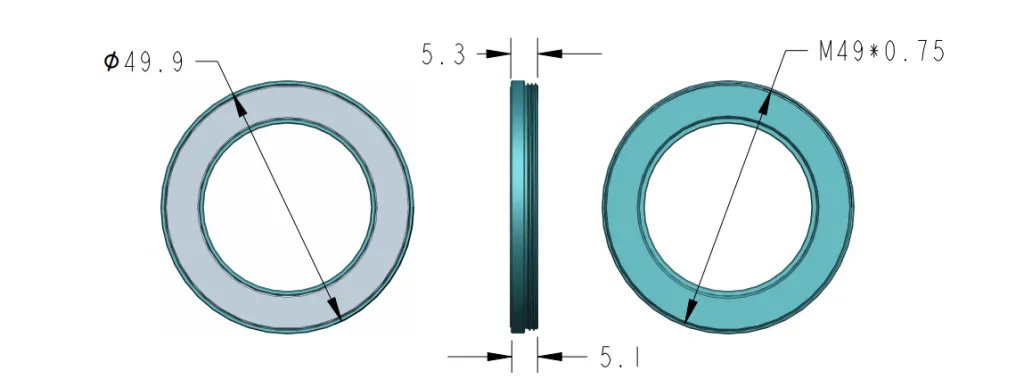
• Using a digital camera with dermoscopic adapter, there’s 49mm screw size camera adapter available to order now.

Compatible phone/tablet models:
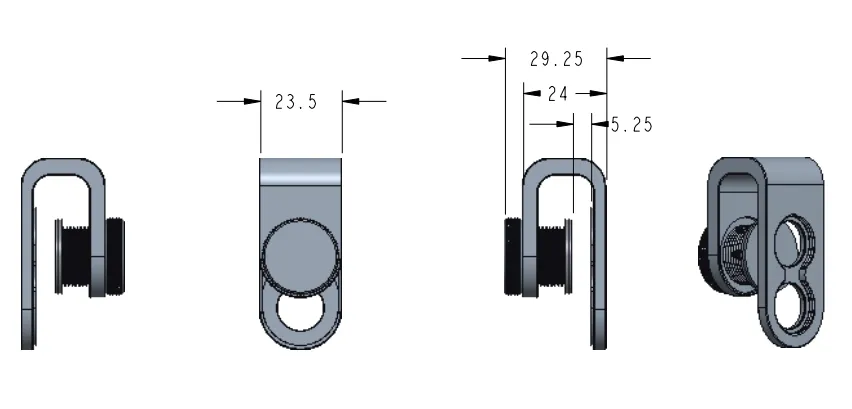
All iPhone models, 95% Android phones, 90% tablet. For phone/tablet size in 5.25-14mm

Compatible camera models:
All camera with built 49mm filter screw, such as Canon EOS 70D, 80D, 90D; Canon EOS R7, R10, R50, R100; Canon M100, M200, M50, Mark II; Canon G7X Mark III, Sony ZV-1

How can I connect my phone to my dermatoscope?

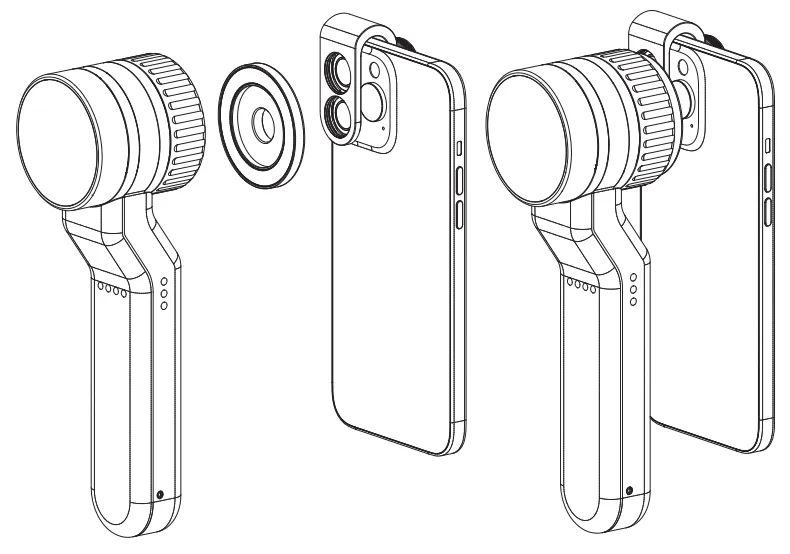
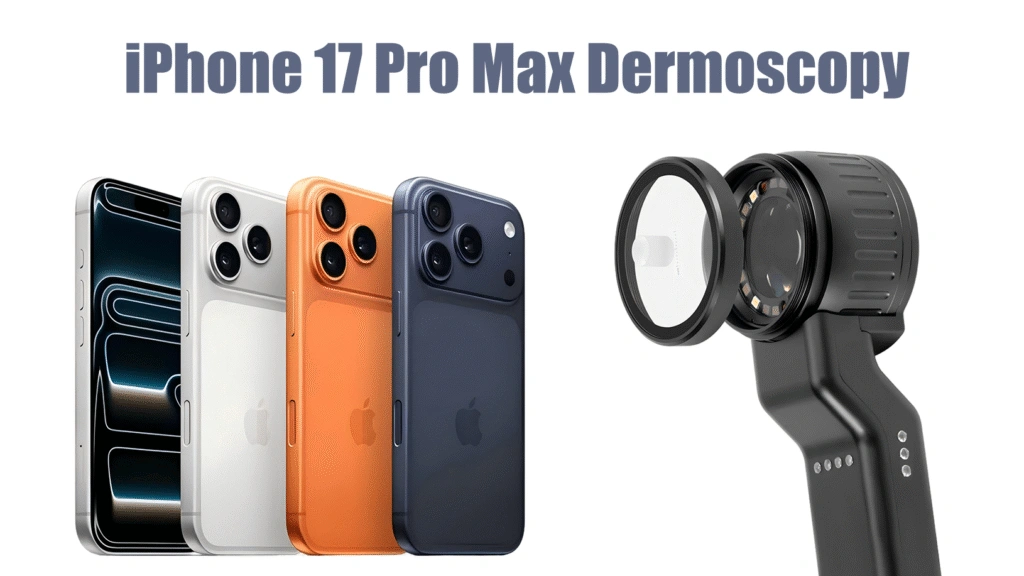
There’s universal phone adapter for all our dermoscopes. Please check the installation procedure bellow or watch operation guide. Smartphone Connector (1) Place phone adapter screw in the center of smartphone’s

There’s universal phone adapter for all our dermoscopes. Please check the installation procedure bellow or watch operation guide.

Smartphone Connector

(1) Place phone adapter screw in the center of smartphone’s main camera.
(2) Screw magnet attachment on phone adapter.
(3) Put dermoscope’s back ring and magnet attachment together

Take The Best Images

You need to adjust the focus ring after the dermoscpe connected on smartphone to get the best images.

How can I clean my dermoscopy after usage?

Cleaning your dermoscopy after usage is important to prevent cross-contamination and infection. The cleaning method may vary depending on the type and model of your dermoscopy, so you should always

Cleaning your dermoscopy after usage is important to prevent cross-contamination and infection. The cleaning method may vary depending on the type and model of your dermoscopy, so you should always follow the manufacturer’s instructions. However, some general steps are:

• Turn off and disconnect your dermoscopy from any power source or device.

• Wipe off any visible dirt or debris from the dermoscopy with a soft cloth or tissue.

• Disinfect the dermoscopy with an alcohol-based wipe or spray, or a disinfectant solution recommended by the manufacturer. Make sure to cover all surfaces, especially the lens and contact plate.

• Let the dermoscopy air dry completely before storing it in a clean and dry place.

• Do not use abrasive or corrosive cleaners, solvents, or detergents that may damage the dermoscopy.

• Do not immerse the dermoscopy in water or any liquid, unless it is waterproof and designed for immersion.

You should clean your dermoscopy after each use, or at least once a day if you use it frequently. You should also check your dermoscopy regularly for any signs of damage or malfunction, and contact the manufacturer or service provider if needed.

Polarized VS Non-polarized Dermoscopy

A dermoscopy is a device that allows the examination of skin lesions with magnificationand illumination. By revealing subsurface structures and patterns that are not visible tothe naked eye. It can

A dermoscopy is a device that allows the examination of skin lesions with magnificationand illumination. By revealing subsurface structures and patterns that are not visible tothe naked eye. It can improve the diagnose accuracy of skin lesions, such as melanoma,basal cell carcinoma, seborrheic keratosis, etc.

There are two main types of dermoscopy: Non polarized and polarized dermoscopy.We’ve fitted most of our dermoscopys with polarized and non-polarized light. They canbe used in multiple skin structures.

Non-polarized contact Mode

In non-polarized mode, the instrument can provide information about the superficialskin structures, such as milia-like cysts, comedo-like openings, and pigment in theepidemis.

The dermoscopy requires applying a liquid such as mineral oil or alcohol to the skin andplacing the lens in contact with the skin. This reduces surface reflection and enhancesthe view of subsurface structures.

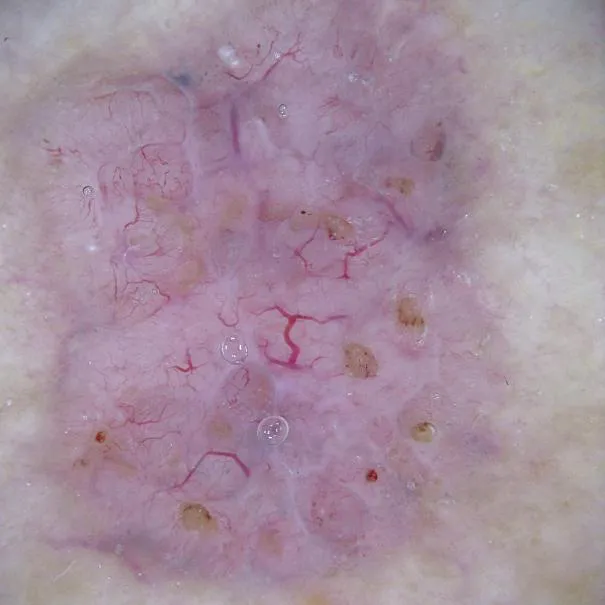
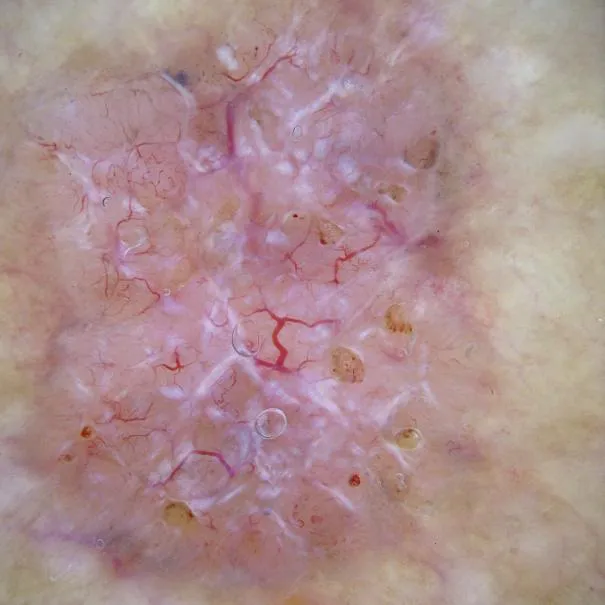
Image with non-polarized light (DE-3100)

Polarized contact Mode

In polarized mode, the instrument allows for visualization for deeper skin structures,such as blood vessels, collagen, and pigment in the dermis.

The dermoscopy does not need to be in contact with the skin or use any liquid. Theirpolarized light can help to eliminate surface reflection and allow visualization ofvascular structures.

Image with polarized light (DE-3100)

Polarized non-contact Mode

The dermoscopy can also use polarized light to examine the skin without direct contact.

In polarized non-contact mode, the instrument allows for examination infected areasand lesions that are painful for the patient, or the difficult to contact pigmented lesions,such as nails and narrow areas.

The contact plate should be removed in this mode, and it does not require applying aliquid to the skin. As it doesn’t require pressure or fluid application on the skin, it canalso avoid cross-contamination and infection risk.

Image in polarized non-contact mode (DE-3100)

How effectiveness is dermoscopy

Compared with visual inspection, the dermoscopy can be used to capture and store skin lesion photos, which play an important role in early skin cancer examination. The dermoscopy allows the

Compared with visual inspection, the dermoscopy can be used to capture and store skin lesion photos, which play an important role in early skin cancer examination.

The dermoscopy allows the examination of skin lesions with magnification and illumination. This can be greatly avoiding the factors that cause interference to visual detection. Such as lighting, skin color, hair and cosmetics.

Several studies have demonstrated that dermoscopy is useful in the identification of melanoma, when used by a trained professional.

It may improve the accuracy of clinical diagnosis by up to 35%
It may reduce the number of harmless lesions that are removed
In primary care, it may increase the referral of more worrisome lesions and reduce the referral of more trivial ones

A 2018 Cochrane meta-analysis published the accuracy of dermoscopy in the detection.

Table 1. Accuracy of dermoscopy in the detection of melanoma in adults
Detection Method Sensitivity, % Specificity, % Positive Likelihood Ratio NegativeLikelihood Ratio
Visual inspection alone (in person) 76 75 3.04 0.32
Dermoscopy with visual inspection (in person) 92 95 18 0.08
Image-based visual inspection alone (not in person) 47 42 0.81 1.3
Dermoscopy with image-based visual inspection (not in person) 81 82 4.5 0.23
ROC—receiver operating characteristic. *Estimated sensitivity calculated on the summary ROC curve at a fixed specificity of 80%.

As we can see, the dermoscope can improve the accuracy of diagnosis of skin lesions, especially melanoma.

Table 1. Accuracy of dermoscopy in the detection of melanoma in adults
Detection Method Sensitivity, % Specificity, % Positive Likelihood Ratio NegativeLikelihood Ratio
Visual inspection alone (in person) 79 77 3.4 0.27
Dermoscopy with visual inspection (in person) 93 99 93 0.07
Image-based visual inspection alone (not in person) 85 87 6.5 0.17
Dermoscopy with image-based visual inspection (not in person) 93 96 23 0.07
ROC—receiver operating characteristic. *Estimated sensitivity calculated on the summary ROC curve at a fixed specificity of 80%.

Characteristics of the dermatoscopic structure of the skin lesions include:

• Symmetry or asymmetry
• Homogeny/uniformity (sameness) or heterogeny (structural differences across the lesion)
• Distribution of pigment: brown lines, dots, clods and structureless areas
• Skin surface keratin: small white cysts, crypts, fissures
• Vascular morphology and pattern: regular or irregular
• Border of the lesion: fading, sharply cut off or radial streaks
• Presence of ulceration

There are specific dermoscopic patterns that aid in the diagnosis of the following pigmented skin lesions:

• Melanoma
• Moles (benign melanocytic naevus)
• Freckles (lentigos)
• Atypical naevi
• Blue naevi
• Seborrhoeic keratosis
• Pigmented basal cell carcinoma
• Haemangioma

We use cookies on this website to provide a better user experience. By continuing to browse the website, you are giving your consent to receive cookies on this site. For more details please read our Privacy Policy.

Hot Search Terms