






Medical Dermatoscopes: A Comprehensive Guide to Dermatoscope Uses | IBOOLO

Explore professional medical dermatoscopes and their clinical uses. Learn how high-resolution imaging enhances skin cancer screening and dermatological diagnosis with IBOOLO.

Article

Medical Dermatoscopes

As a dermatologic diagnostic tool, dermoscopy is mainly used in dermatology to examine skin diseases, and can observe minute skin changes that are not detectable by the naked eye, helping doctors to diagnose various skin problems more accurately. Conventional dermoscopy techniques use a non-polarized light source and often require the application of a medium (e.g.,…


Clinical Guide: Advancing Diagnosis with Medical Dermatoscopes and Diverse Uses

In the rapidly evolving landscape of modern dermatology, medical dermatoscopes have transitioned from simple magnifiers to sophisticated diagnostic instruments. These tools allow clinicians to visualize microscopic morphological structures beyond the limits of the human eye. Understanding the diverse clinical dermatoscope uses is essential for any practitioner aiming to improve diagnostic accuracy in skin cancer screening and general dermatology.

At IBOOLO, we specialize in high-precision optical engineering. Our medical dermatoscopes are designed to provide the resolution and lighting versatility required for complex clinical environments, bridging the gap between clinical examination and potential histopathological findings.

Essential Clinical Dermatoscope Uses in Dermatology

The versatility of a professional dermatoscope makes it a cornerstone of contemporary practice. Beyond the primary role of oncology, dermatoscope uses extend into several specialized clinical categories:

  • Skin Cancer Surveillance: Facilitating early detection of melanoma and basal cell carcinoma (BCC) by visualizing atypical vascular patterns and pigment networks.
  • Trichoscopy: Analyzing scalp and hair disorders, allowing for the differentiation between scarring and non-scarring alopecia.
  • Onychoscopy: Evaluating nail plate disorders and nailfold capillaries to detect systemic vascular diseases.
  • Inflammatory Condition Monitoring: Assessing the severity and therapeutic response of conditions like psoriasis, lichen planus, and rosacea.
  • Infection Identification: Providing clear visualization of scabies burrows, fungal structures, and viral warts.

Technical Comparison: Conventional vs. Modern Medical Dermatoscopes

Choosing the right equipment is vital for maximizing the effectiveness of the various dermatoscope uses. The table below highlights the technological shift toward polarized imaging.

Technology Feature Conventional Dermoscopes Modern Medical Dermatoscopes
Lighting Modality Non-polarized only Polarized, White, Amber, Mixed
Interface Medium Requires gel or oil Non-contact (No fluid needed)
Magnification Quality Standard plastic lenses High-grade achromatic optics
Digital Integration N/A Smartphone & Camera compatible

Optimizing Accuracy with IBOOLO Medical Dermatoscopes

To perform effective clinical examinations, medical dermatoscopes must deliver superior color fidelity and edge-to-edge clarity. The IBOOLO DE-4100 series is engineered with a 10x magnification system and multiple lighting modes (White, Amber, and Polarized). The polarized light mode is particularly advantageous for dermatoscope uses in visualizing deeper dermal structures without the "masking" effect of surface scales and reflections.

Furthermore, modern clinical practice demands digital documentation. Our magnetic mounting system allows medical dermatoscopes to be instantly attached to smartphones or cameras. This facilitates the longitudinal monitoring of suspicious lesions, enabling clinicians to track "evolving" features over time—a critical component in early-stage skin cancer management.

The Future of Dermoscopy: AI and Telemedicine

As technology continues to integrate with AI, future medical dermatoscopes will possess real-time analysis capabilities. By matching captured images against vast big-data models, these devices will assist doctors in predicting lesion nature with higher speed and accuracy. At IBOOLO, we are committed to this technological trajectory, ensuring our tools remain compatible with emerging telemedicine platforms to serve underserved regions.

Mastering clinical dermatoscope uses requires both training and high-performance equipment. Professional medical dermatoscopes provide the necessary visualization power to ensure accurate diagnosis and improved patient care standards.


Recommended reading

dermoscopy of actinic keratosis – IBOOLO

Shenzhen Iboolo Optics Co.Ltd was established in 2012, It has been engaged in the field of Dermatoscope, Microscope, Macro lens and Woods Lamp etc. IBOOLO is a professional camera lens manufacturer with more than 11+ years experiences, which is located in Shenzhen, Guangdong.

China-Based Dermascope Suppliers & Manufacturers Offers Affordable Design Services - IBOOLO

With over a decade of experience crafting tailored solutions, our China company suppliers & manufacturers high-quality affordable dermascopes to meet every customer's distinct requirements.

Do you sell anywhere else – IBOOLO

We are mainly an online retailer, so the best place to purchase is through our online shop. We also sell through Amazon, eBay, AliExpress for retail and Alibaba for wholesale. We also have official account in Facebook, Instagram, TikTok and YouTube. OEM Customers Throughs years of OEM&ODM, we have accumulated a batch of customers worldwide....

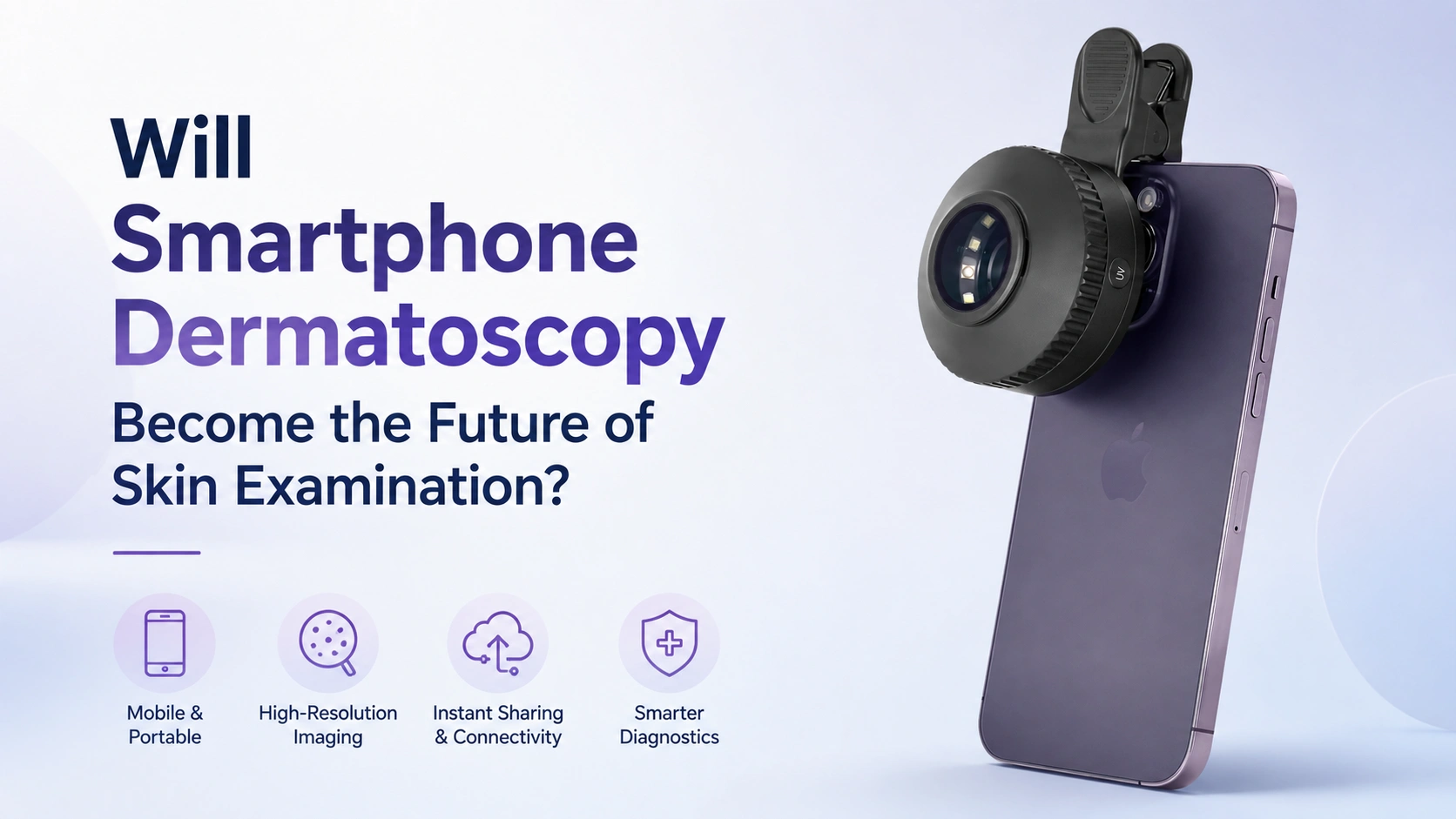
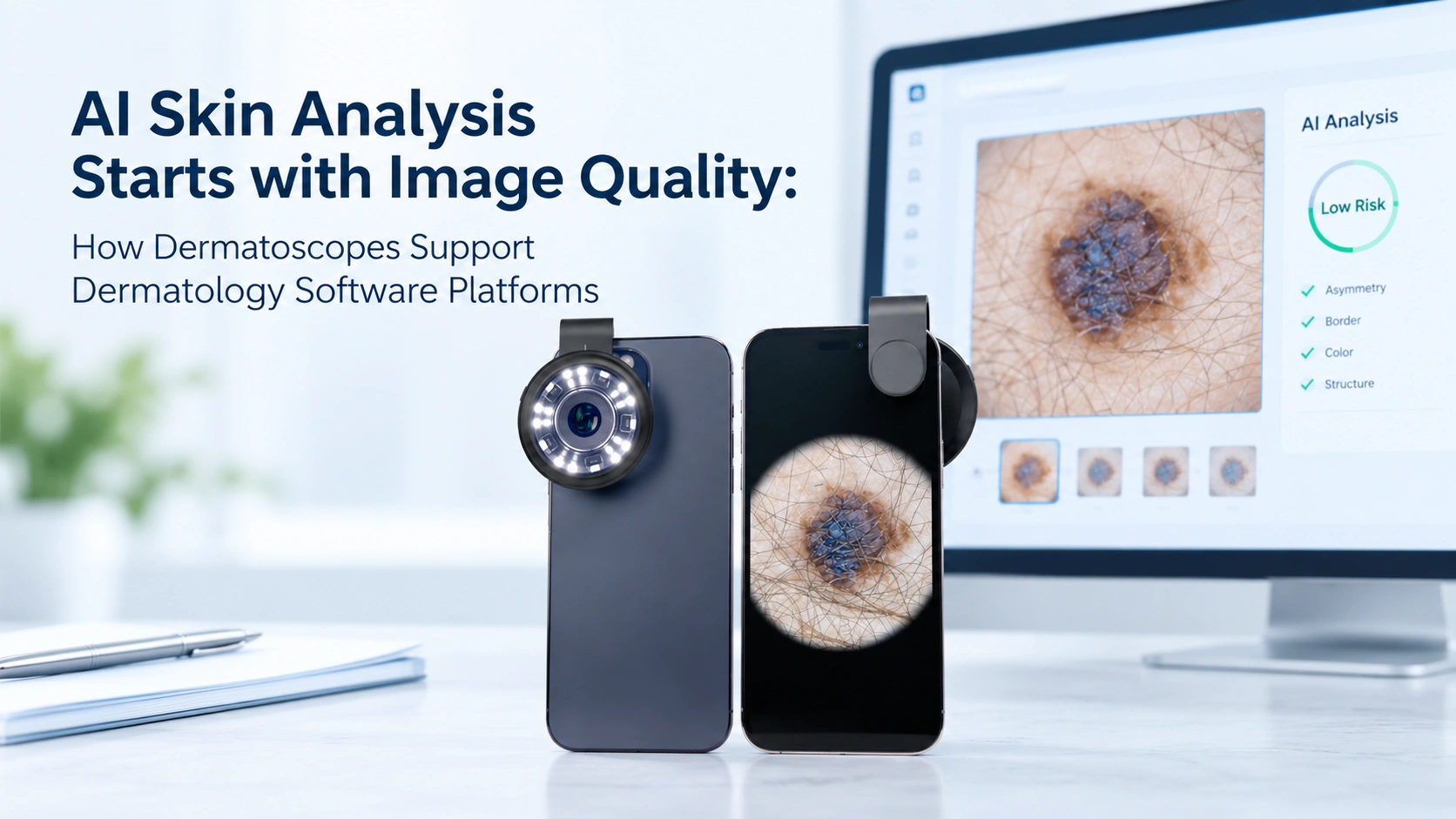
As a dermatologic diagnostic tool, dermoscopy is mainly used in dermatology to examine skin diseases, and can observe minute skin changes that are not detectable by the naked eye, helping doctors to diagnose various skin problems more accurately. Conventional dermoscopy techniques use a non-polarized light source and often require the application of a medium (e.g., gel) to the skin to prevent the effects of reflections on the skin surface during observation. This is relatively cumbersome and susceptible to ambient light. On the other hand, modern medical dermatoscopes have a polarized light pattern that prevents gross reflections on the skin surface allowing to observe tiny skin details without medium imposition. Medical dermatoscopes also typically have higher magnification, allowing for a clearer view of skin structures.


Definition and Importance of Medical Dermoscopy

Medical dermoscopy has a wide range of applications in the field of dermatologic medicine. Dermoscopy can assist in the diagnosis of a variety of skin tumors. Many pigmented diseases also require the use of dermoscopy, including vitiligo, apatite, anemia, and so on. Doctors can also use dermoscopic images of androgenetic alopecia to determine the type of alopecia and to assess follicular atrophy.
Dermoscopy is able to put in-depth observation of the structure under the stratum corneum and even the superficial dermis, observing details that cannot be observed by the human eye and improving the accuracy of diagnosis of skin lesions.


Technical Characteristics of Medical Dermoscopy

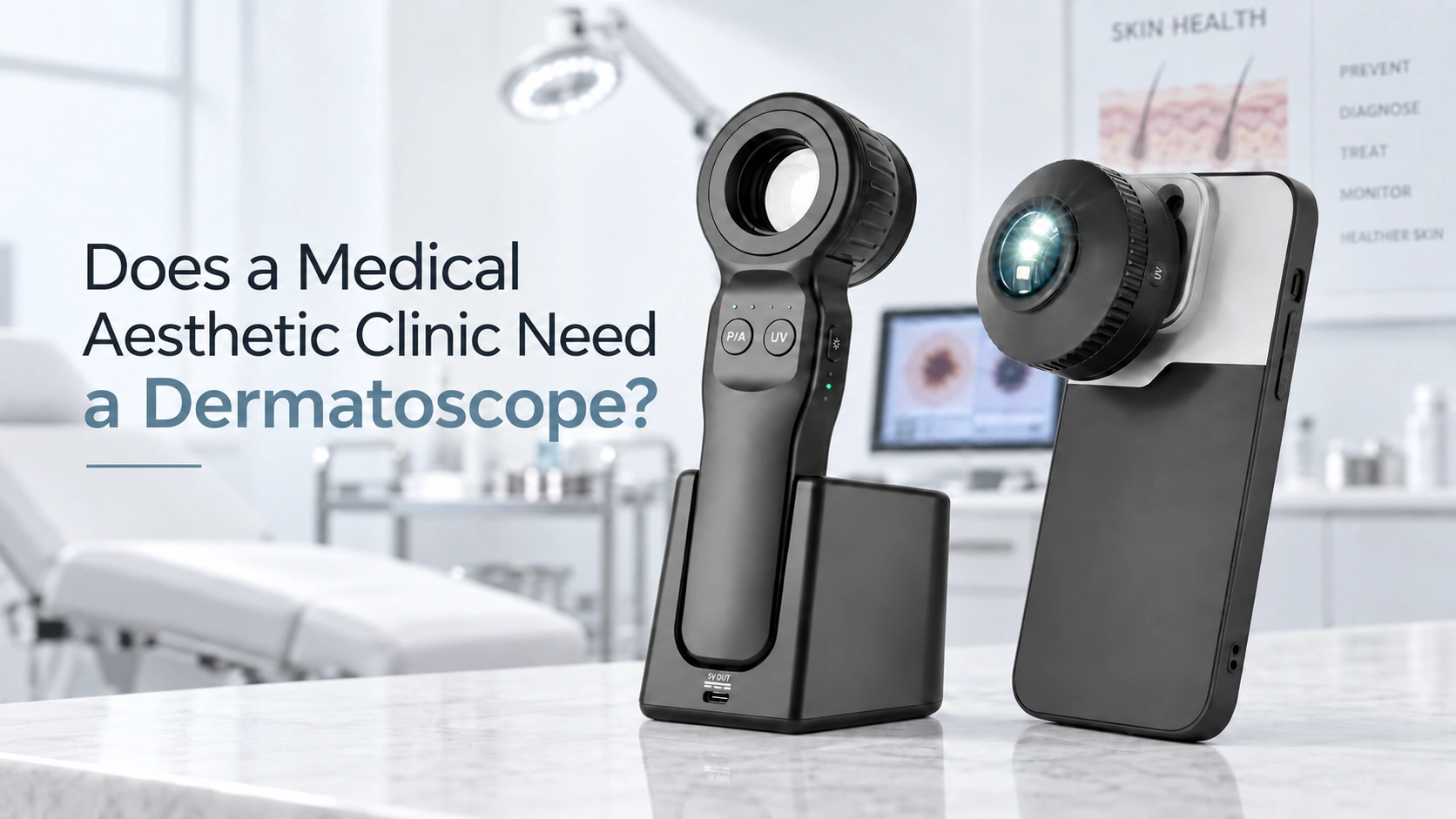
The IBOOLO Medical Dermatoscope DE-4100 has a magnification of 10X and is available in white, polarized, amber and white-mixed amber to provide a very clear field of view with the naked eye.The DE-4100 can also be easily attached to a cell phone and camera using the IBOOLO magnetic phone case or magnetic threaded ring to save images while observing.
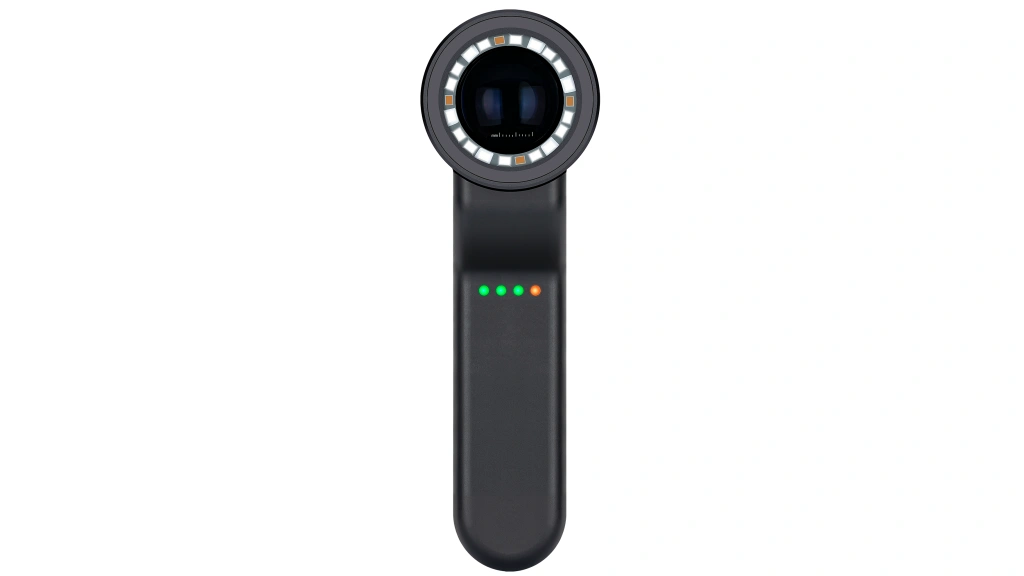
IBOOLO DE-4100
IBOOLO DE-4100


Dermoscopy Uses

Dermoscopy uses are extensive in dermatological examinations. By magnifying skin tissues, dermoscopy reveals changes in skin blood vessels and pigmentation, assisting doctors in making more precise diagnoses of skin conditions. Dermoscopy has a wide range of applications, primarily used for examining various skin lesions on the body, such as seborrheic dermatitis, pityriasis rosea, and molluscum contagiosum. Additionally, during clinic visits, doctors can observe the fine structures on the skin’s surface and even detect potential skin cancer lesions. For instance, melanoma often appears under dermoscopy with jagged, irregular, or blurred borders, often accompanied by blue-white globules.


The Role of Medical Dermoscopy in Skin Cancer Screening
Early-stage skin cancer is usually confined to the surface of the skin or superficial tissues. Through timely treatment, such as surgical excision and photodynamic therapy, the condition can be effectively controlled and prevented from further deterioration. The treatment of early skin cancer is relatively simple and the treatment cost is relatively low. Therefore, early detection and treatment are of great importance in reducing the psychological and economic burden of patients.
And dermoscopy has an irreplaceable role in early screening of skin cancer. Dermoscopy is easy to operate, takes less time for examination and has high magnification. This makes dermoscopy ideal for large-scale skin screening programs.
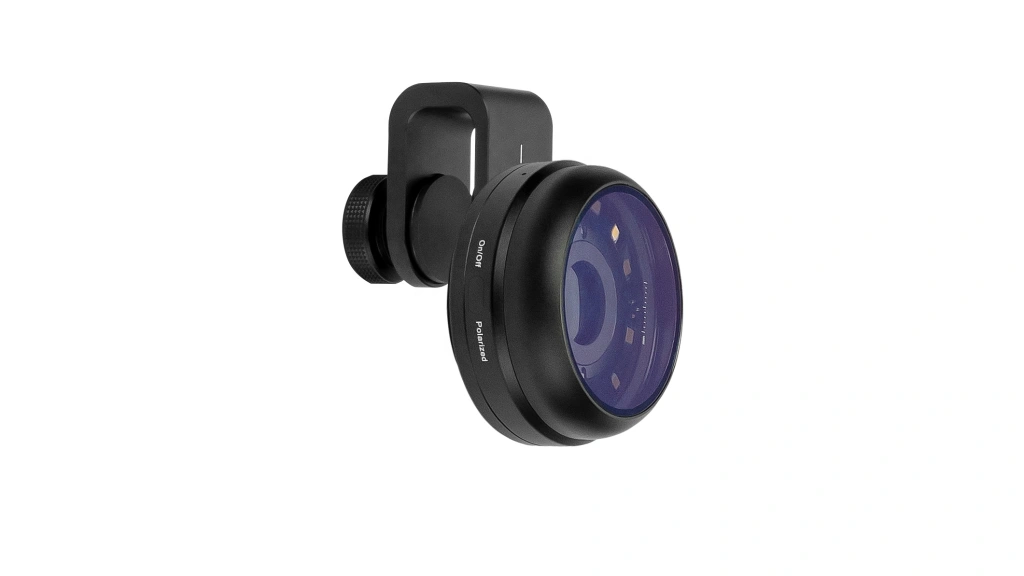
Medical Dermoscopy DE-400


Impact of Medical Dermoscopy on Patient Care
As a non-invasive examination tool, medical dermoscopy does not cause any discomfort to the client during the examination. Especially for patients with ulcerated skin lesions, dermoscopy can provide clear dermatoscopic images without ensuring any contact with the patient’s skin. This greatly reduces patient pain and helps increase patient satisfaction and trust. Moreover, patients can gradually learn to use dermoscopy for self-examination by themselves under the educational guidance of their doctors and observe their recovery in real time.


Guidelines for the Operation of Medical Dermoscopy
Before using a dermatoscope, it is necessary to disinfect and sterilize the patient’s skin area to be observed and ensure that the skin is dry. Then, place the dermatoscope above the skin to be observed and adjust the focus until the field of view is clear. After each use, disinfect the contact surface of the dermatoscope’s probe to prevent cross-infection. Additionally, during storage, a lens cap should be worn to avoid scratching or damaging the lens.


Training and Education in Medical Dermoscopy
Medical dermoscopy is only a testing tool, the diagnosis still needs the judgment of the doctor, experienced doctors can often give accurate judgment results based on dermoscopic images. Doctors who have just started to enter the clinic naturally need to receive continuous training from the hospital, grow their experience in practice, and grow into a doctor who can make reasonable judgments. Only in this way can a virtuous circle be formed to promote the sustainable development of dermatology.
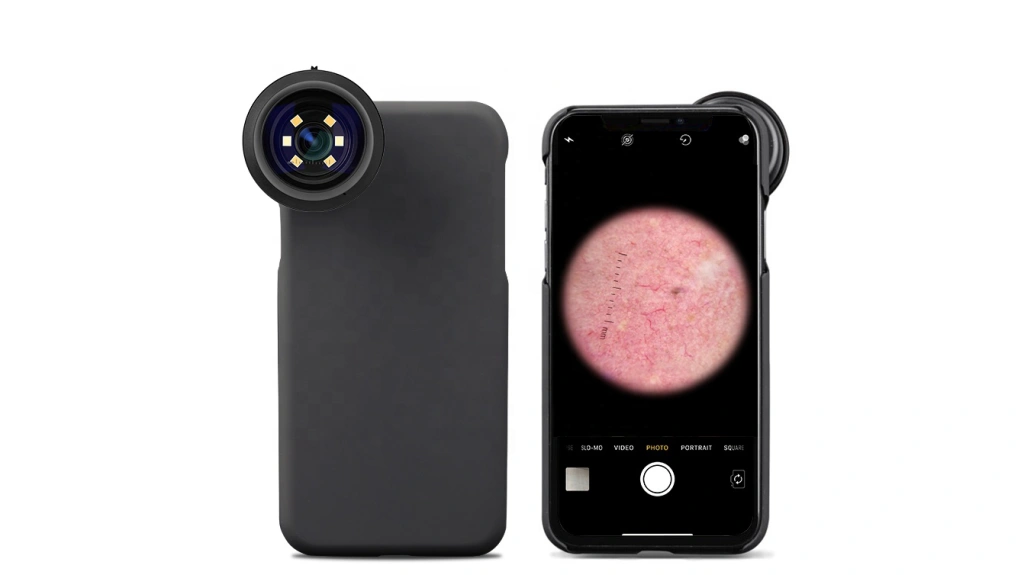
DE-300 Dermotascope
DE-300 Dermotascope


The Use of Dermoscopy in the Diagnosis of Specific Skin Lesions
Dermoscopy allows visualization of pigmentary changes in the epidermis, reticular layer of the dermis, and changes in the vasculature of the superficial mesodermis. This technique has been widely used for the early diagnosis of malignant melanoma and differential diagnosis with other cancers. Dermoscopy can also assist in the diagnosis of a variety of inflammatory diseases such as lichen planus, psoriasis, follicular keratosis, and urticarial vasculitis. Dermoscopy is able to differentiate scarring alopecia from non-scarring alopecia, and the common forms of pemphigus vulgaris and alopecia areata can also be visualized in dermoscopic images.

Innovations and Future Trends in Medical Dermoscopy
With the application of AI in various fields, future electronic dermatoscopes will be integrated with big data models. Through continuous learning by artificial intelligence, future dermatoscopes will possess skin analysis capabilities. By utilizing image matching and data analysis, dermatoscopes can predict the type and nature of skin lesions, aiding doctors in making more accurate diagnoses. Additionally, they can dynamically collect patient information and transmit it to remote experts for diagnosis, enabling patients in medically underserved areas to access high-quality dermatological services. As technology continues to advance, portable dermatoscope devices will become more widespread, serving as important tools for home self-monitoring and health management.


Key Uses and Benefits of Dermoscopy
Medical dermoscopy is an important tool in modern dermatologic diagnosis and is widely used in clinical diagnosis. Dermoscopy is easy to operate, has a short detection time and relatively low cost, making it suitable for widespread use in dermatology outpatient clinics. It is also non-invasive and does not cause damage to the skin, which makes it highly acceptable to patients. With the development of technology, dermoscopy will have a wider and wider range of applications and higher accuracy.
Share this article

0

No products in the cart.

Ask

Have questions on gear or your order?

Our Gear Guides are here to help! Get personal advice from pro creatives

Name
Subject
Email address
How can we help?
Answers

Instant Answers

How can dermoscopy images be captured?

Dermoscopy images can be captured and stored in different ways, such as: • Using a smartphone or tablet with dermoscopic adapter, which consisted in the package.• Using a digital camera

Dermoscopy images can be captured and stored in different ways, such as:

• Using a smartphone or tablet with dermoscopic adapter, which consisted in the package.
• Using a digital camera with dermoscopic adapter, there’s 49mm screw size camera adapter available to order now.

Compatible phone/tablet models:
All iPhone models, 95% Android phones, 90% tablet. For phone/tablet size in 5.25-14mm

Compatible camera models:
All camera with built 49mm filter screw, such as Canon EOS 70D, 80D, 90D; Canon EOS R7, R10, R50, R100; Canon M100, M200, M50, Mark II; Canon G7X Mark III, Sony ZV-1

How can I connect my phone to my dermatoscope?

There’s universal phone adapter for all our dermoscopes. Please check the installation procedure bellow or watch operation guide. Smartphone Connector (1) Place phone adapter screw in the center of smartphone’s

There’s universal phone adapter for all our dermoscopes. Please check the installation procedure bellow or watch operation guide.

Smartphone Connector

(1) Place phone adapter screw in the center of smartphone’s main camera.
(2) Screw magnet attachment on phone adapter.
(3) Put dermoscope’s back ring and magnet attachment together

Take The Best Images

You need to adjust the focus ring after the dermoscpe connected on smartphone to get the best images.

How can I clean my dermoscopy after usage?

Cleaning your dermoscopy after usage is important to prevent cross-contamination and infection. The cleaning method may vary depending on the type and model of your dermoscopy, so you should always

Cleaning your dermoscopy after usage is important to prevent cross-contamination and infection. The cleaning method may vary depending on the type and model of your dermoscopy, so you should always follow the manufacturer’s instructions. However, some general steps are:

• Turn off and disconnect your dermoscopy from any power source or device.

• Wipe off any visible dirt or debris from the dermoscopy with a soft cloth or tissue.

• Disinfect the dermoscopy with an alcohol-based wipe or spray, or a disinfectant solution recommended by the manufacturer. Make sure to cover all surfaces, especially the lens and contact plate.

• Let the dermoscopy air dry completely before storing it in a clean and dry place.

• Do not use abrasive or corrosive cleaners, solvents, or detergents that may damage the dermoscopy.

• Do not immerse the dermoscopy in water or any liquid, unless it is waterproof and designed for immersion.

You should clean your dermoscopy after each use, or at least once a day if you use it frequently. You should also check your dermoscopy regularly for any signs of damage or malfunction, and contact the manufacturer or service provider if needed.

Polarized VS Non-polarized Dermoscopy

A dermoscopy is a device that allows the examination of skin lesions with magnificationand illumination. By revealing subsurface structures and patterns that are not visible tothe naked eye. It can

A dermoscopy is a device that allows the examination of skin lesions with magnificationand illumination. By revealing subsurface structures and patterns that are not visible tothe naked eye. It can improve the diagnose accuracy of skin lesions, such as melanoma,basal cell carcinoma, seborrheic keratosis, etc.

There are two main types of dermoscopy: Non polarized and polarized dermoscopy.We’ve fitted most of our dermoscopys with polarized and non-polarized light. They canbe used in multiple skin structures.

Non-polarized contact Mode

In non-polarized mode, the instrument can provide information about the superficialskin structures, such as milia-like cysts, comedo-like openings, and pigment in theepidemis.

The dermoscopy requires applying a liquid such as mineral oil or alcohol to the skin andplacing the lens in contact with the skin. This reduces surface reflection and enhancesthe view of subsurface structures.

Image with non-polarized light (DE-3100)

Polarized contact Mode

In polarized mode, the instrument allows for visualization for deeper skin structures,such as blood vessels, collagen, and pigment in the dermis.

The dermoscopy does not need to be in contact with the skin or use any liquid. Theirpolarized light can help to eliminate surface reflection and allow visualization ofvascular structures.

Image with polarized light (DE-3100)

Polarized non-contact Mode

The dermoscopy can also use polarized light to examine the skin without direct contact.

In polarized non-contact mode, the instrument allows for examination infected areasand lesions that are painful for the patient, or the difficult to contact pigmented lesions,such as nails and narrow areas.

The contact plate should be removed in this mode, and it does not require applying aliquid to the skin. As it doesn’t require pressure or fluid application on the skin, it canalso avoid cross-contamination and infection risk.

Image in polarized non-contact mode (DE-3100)

How effectiveness is dermoscopy

Compared with visual inspection, the dermoscopy can be used to capture and store skin lesion photos, which play an important role in early skin cancer examination. The dermoscopy allows the

Compared with visual inspection, the dermoscopy can be used to capture and store skin lesion photos, which play an important role in early skin cancer examination.

The dermoscopy allows the examination of skin lesions with magnification and illumination. This can be greatly avoiding the factors that cause interference to visual detection. Such as lighting, skin color, hair and cosmetics.

Several studies have demonstrated that dermoscopy is useful in the identification of melanoma, when used by a trained professional.

It may improve the accuracy of clinical diagnosis by up to 35%
It may reduce the number of harmless lesions that are removed
In primary care, it may increase the referral of more worrisome lesions and reduce the referral of more trivial ones

A 2018 Cochrane meta-analysis published the accuracy of dermoscopy in the detection.

Table 1. Accuracy of dermoscopy in the detection of melanoma in adults
Detection Method Sensitivity, % Specificity, % Positive Likelihood Ratio NegativeLikelihood Ratio
Visual inspection alone (in person) 76 75 3.04 0.32
Dermoscopy with visual inspection (in person) 92 95 18 0.08
Image-based visual inspection alone (not in person) 47 42 0.81 1.3
Dermoscopy with image-based visual inspection (not in person) 81 82 4.5 0.23
ROC—receiver operating characteristic. *Estimated sensitivity calculated on the summary ROC curve at a fixed specificity of 80%.

As we can see, the dermoscope can improve the accuracy of diagnosis of skin lesions, especially melanoma.

Table 1. Accuracy of dermoscopy in the detection of melanoma in adults
Detection Method Sensitivity, % Specificity, % Positive Likelihood Ratio NegativeLikelihood Ratio
Visual inspection alone (in person) 79 77 3.4 0.27
Dermoscopy with visual inspection (in person) 93 99 93 0.07
Image-based visual inspection alone (not in person) 85 87 6.5 0.17
Dermoscopy with image-based visual inspection (not in person) 93 96 23 0.07
ROC—receiver operating characteristic. *Estimated sensitivity calculated on the summary ROC curve at a fixed specificity of 80%.

Characteristics of the dermatoscopic structure of the skin lesions include:

• Symmetry or asymmetry
• Homogeny/uniformity (sameness) or heterogeny (structural differences across the lesion)
• Distribution of pigment: brown lines, dots, clods and structureless areas
• Skin surface keratin: small white cysts, crypts, fissures
• Vascular morphology and pattern: regular or irregular
• Border of the lesion: fading, sharply cut off or radial streaks
• Presence of ulceration

There are specific dermoscopic patterns that aid in the diagnosis of the following pigmented skin lesions:

• Melanoma
• Moles (benign melanocytic naevus)
• Freckles (lentigos)
• Atypical naevi
• Blue naevi
• Seborrhoeic keratosis
• Pigmented basal cell carcinoma
• Haemangioma

We use cookies on this website to provide a better user experience. By continuing to browse the website, you are giving your consent to receive cookies on this site. For more details please read our Privacy Policy.

Hot Search Terms