




Article
What Are the Differences Between IBOOLO DE-300, DE-400, and DE-500?
A dermatoscope is a medical optical device designed to visualize skin structures that are not visible to the naked eye. By combining magnification with controlled illumination, a dermatoscope allows clearer observation of pigmentation, vascular patterns, and surface structures of the skin. Modern dermatoscopes increasingly rely on digital integration. Pocket dermatoscopes that connect to smartphones have…
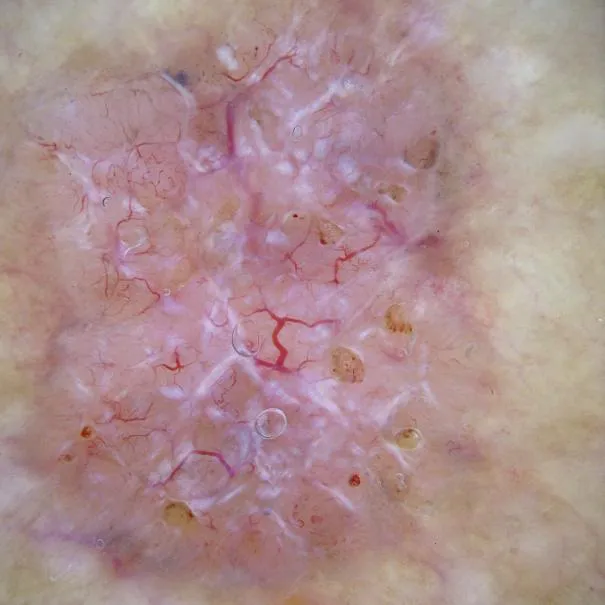
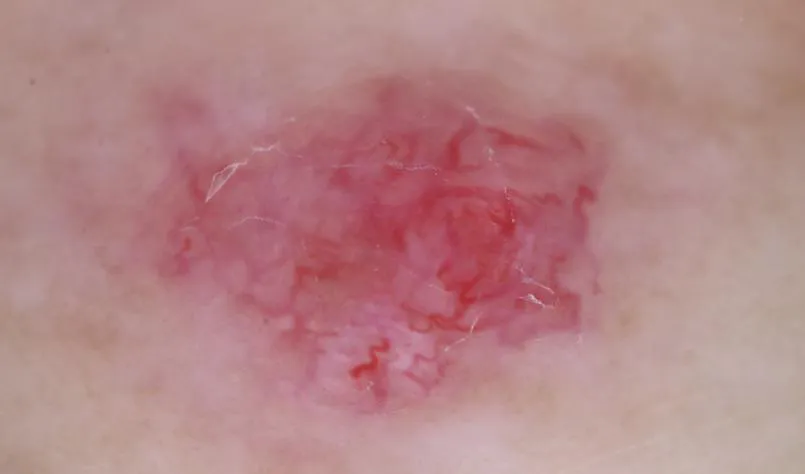
A dermatoscope is a medical optical device designed to visualize skin structures that are not visible to the naked eye. By combining magnification with controlled illumination, a dermatoscope allows clearer observation of pigmentation, vascular patterns, and surface structures of the skin.
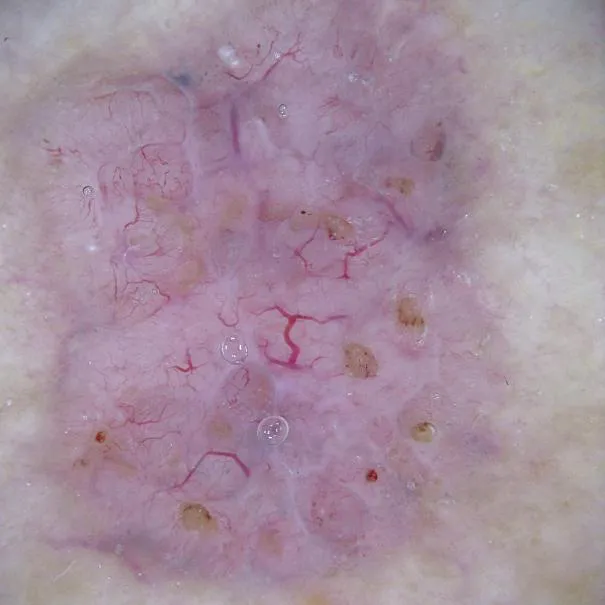
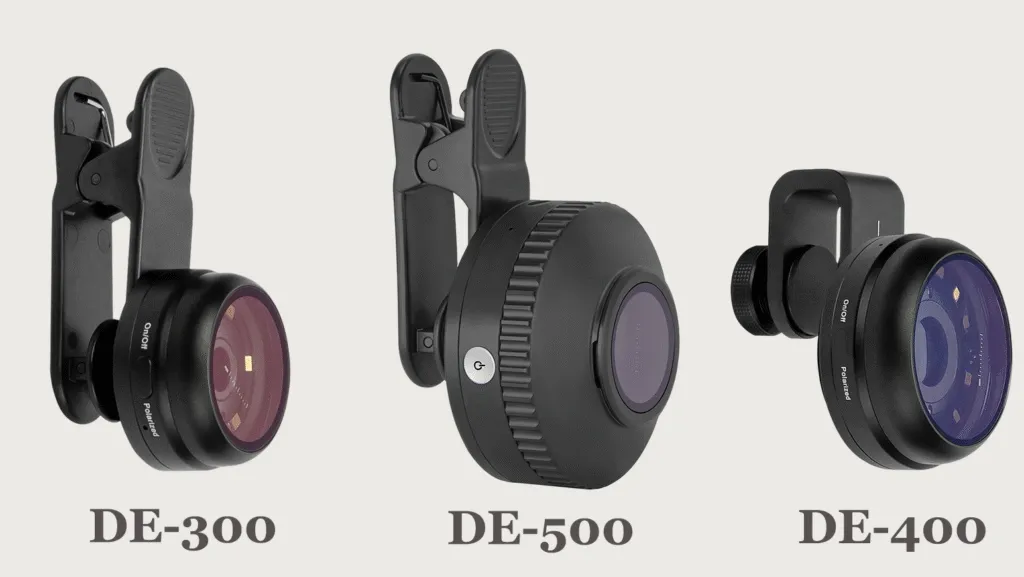
Modern dermatoscopes increasingly rely on digital integration. Pocket dermatoscopes that connect to smartphones have become popular because they are portable, easy to document, and suitable for telemedicine, education, and routine clinical use. The IBOOLO DE-300, DE-400, and DE-500 belong to this category and are designed for users who prefer compact devices with digital imaging capability.
What Do the IBOOLO DE-300, DE-400, and DE-500 Have in Common?
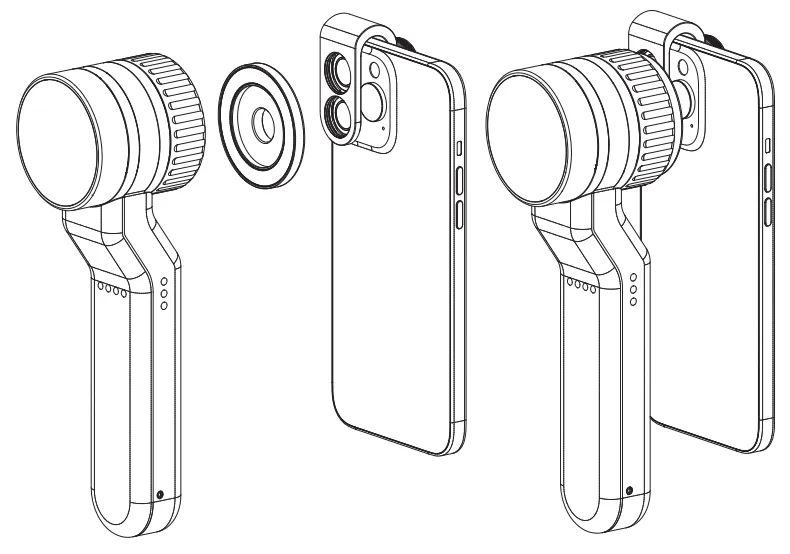
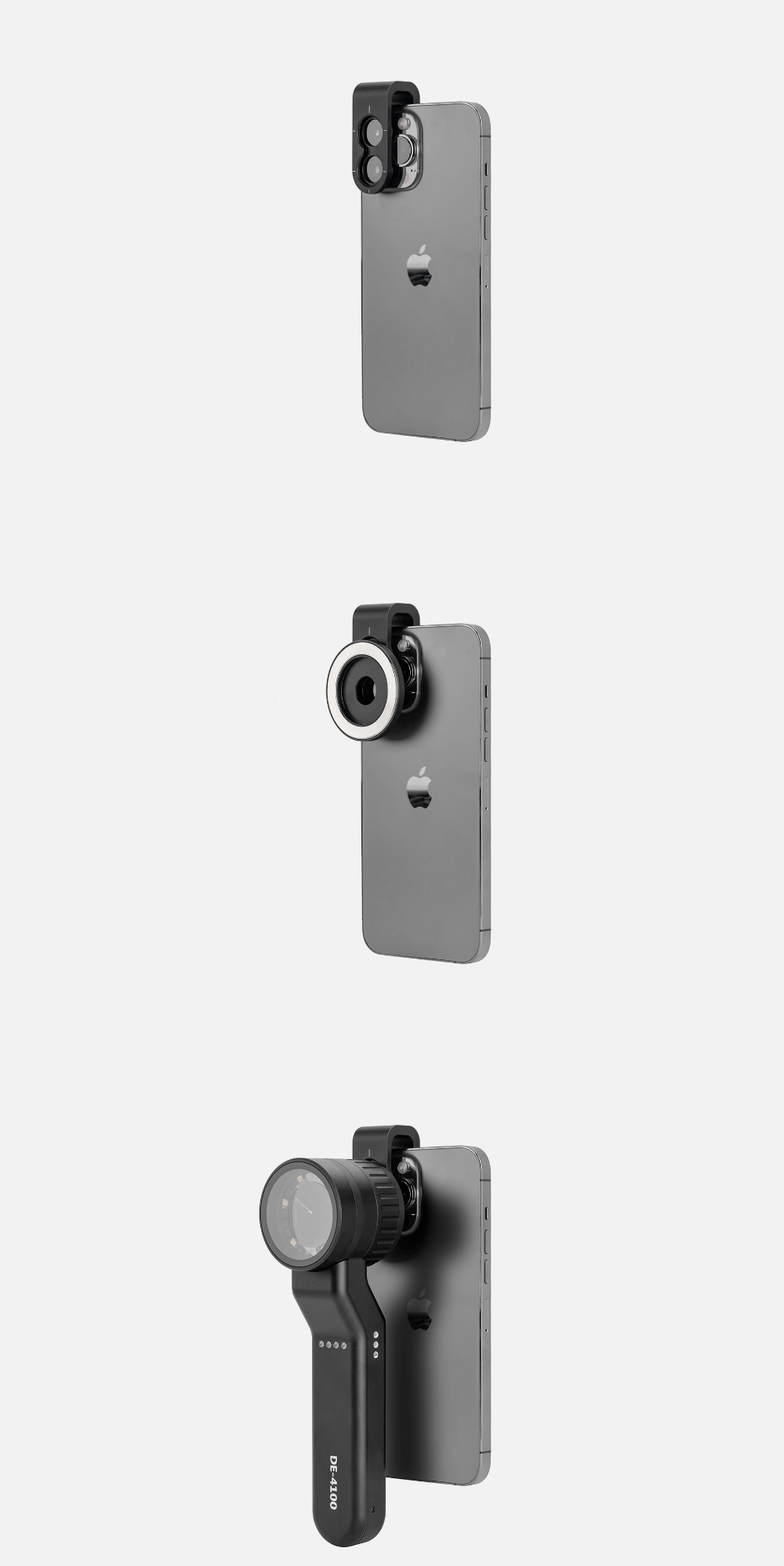
The most important shared feature of the DE-300, DE-400, and DE-500 is that all three are pocket dermatoscopes that must be connected to a smartphone for skin observation. Unlike handheld standalone dermatoscopes that allow direct visual inspection through an eyepiece, these models rely on a mobile device screen to display images. This design supports image capture, storage, and sharing, which are valuable for follow-up, consultation, and clinical documentation.
All three models support both polarized and non-polarized lighting modes. This dual-mode capability allows users to examine both superficial skin features, such as scales and surface texture, and deeper structures, such as pigment networks and blood vessels. In addition, all three devices are compact, lightweight, and designed for easy transport in clinical or field settings.
How Does Magnification Differ Between DE-300 and the Other Models?
One of the most fundamental differences among the three models is magnification. The IBOOLO DE-300 offers 6X magnification, while both the DE-400 and DE-500 provide 10X magnification. Magnification directly influences the level of detail that can be visualized. A 6X magnification is sufficient for general observation of many skin lesions and may be suitable for basic screening or educational use.
In contrast, 10X magnification allows for more detailed visualization of fine pigment structures and vascular patterns, which is particularly useful in dermatological evaluation. Users who require higher diagnostic precision or who frequently assess complex lesions may benefit from the increased magnification offered by the DE-400 and DE-500.
Why Do Optical Lens Quality and Image Performance Matter?
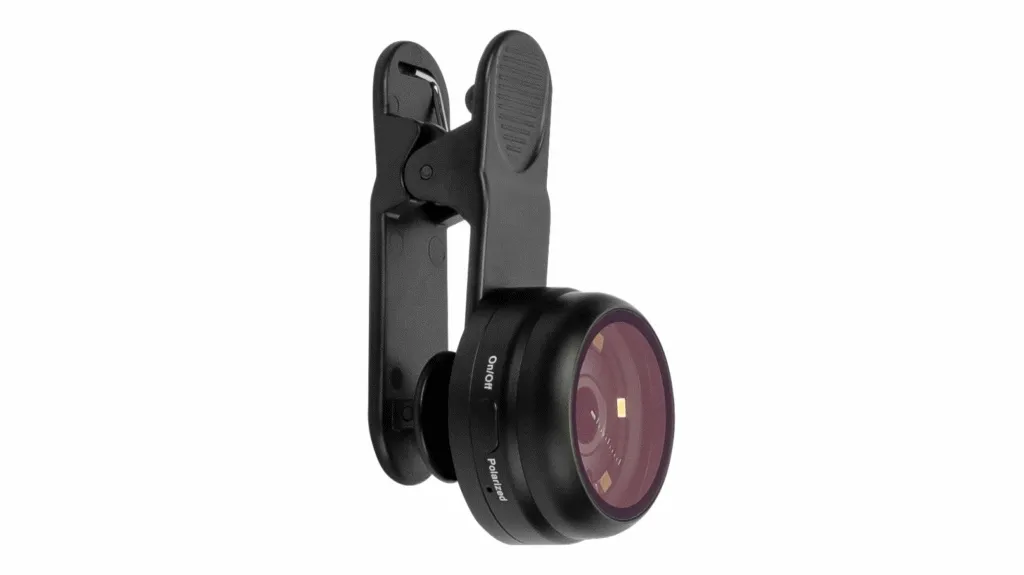
Beyond magnification, optical lens quality plays a crucial role in image clarity, distortion control, and overall diagnostic confidence. The three models differ significantly in this aspect. The DE-300 uses a standard lens system designed to meet basic clinical and educational needs. The DE-400 features an improved lens compared with the DE-300, offering clearer imaging and better detail resolution.
The DE-500 represents the highest optical level among the three. It is equipped with IBOOLO’s latest-generation lens, which provides superior image sharpness, reduced distortion, and improved color fidelity. These optical improvements enhance the visibility of subtle structures and minimize visual artifacts, which is especially important for detailed dermoscopic assessment and high-quality image documentation.
How Do Lighting Modes Differ Across the Three Models?
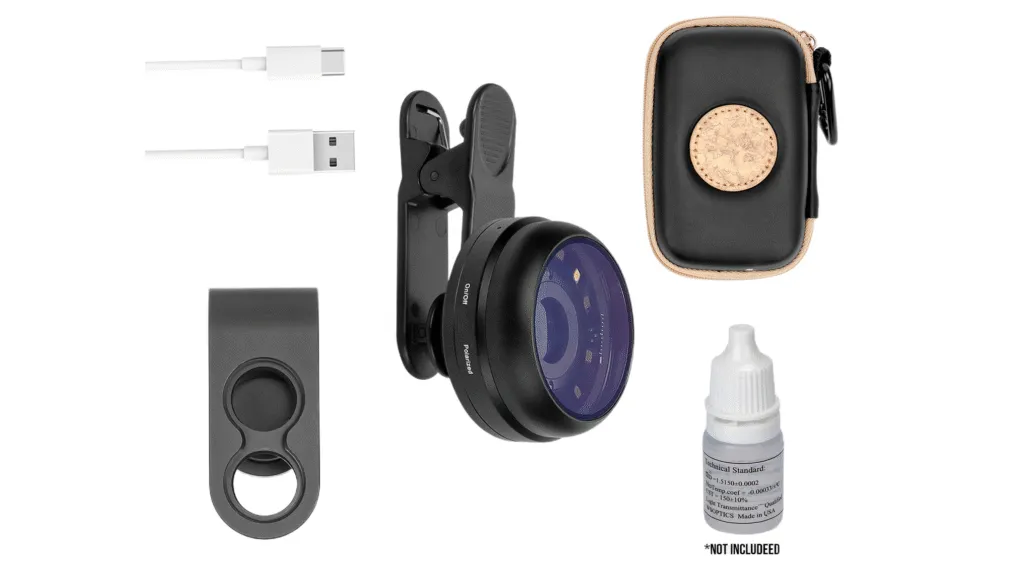
All three models support polarized and non-polarized lighting, which is a core requirement for dermoscopy. Polarized light reduces surface reflection and allows visualization of deeper skin structures, while non-polarized light highlights superficial features when used with direct skin contact.
The DE-500 includes an additional UV lighting mode. UV illumination is a vital tool for identifying bacterial or fungal infections and assessing pigmentation depth. By including UV functionality, the DE-500 expands its diagnostic utility far beyond that of the DE-300 and DE-400.
What Are the Differences in Battery Capacity and Power Design?
Battery capacity is another important practical difference. Both the DE-300 and DE-400 are equipped with a 200 mAh battery, which supports standard usage patterns for routine clinical or educational sessions. The DE-500 features a larger 300 mAh battery, providing extended operating time to accommodate its additional functions and higher performance requirements.
For users who require longer observation sessions or frequent switching between lighting modes, the increased battery capacity of the DE-500 offers greater convenience and reliability.
How Do Prices Reflect Functional Differences?
Pricing among the three models reflects their differences in magnification, optics, features, and design complexity. The IBOOLO DE-300 is priced at 109 USD, making it an accessible option for users who need basic dermoscopic functionality. The DE-400 is priced at 179 USD and offers higher magnification and improved image quality, positioning it as a mid-range choice.
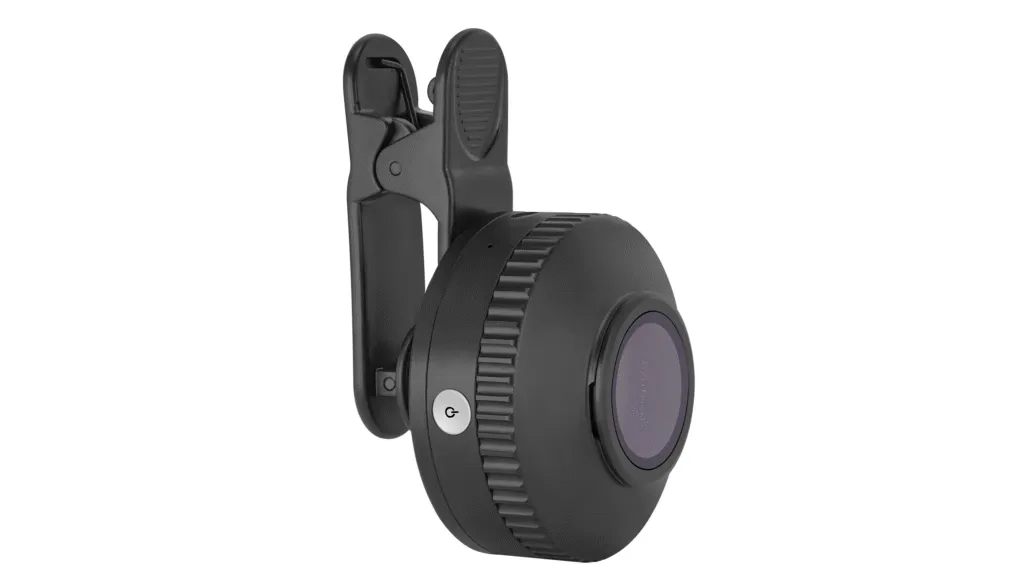
The DE-500 is priced at 399 USD, reflecting its advanced optical system, UV capability, higher battery capacity, and updated design features. Its price aligns with its role as a high-performance device for users who require advanced functionality and image quality.
What Warranty and Support Are Provided?
All IBOOLO DE-300, DE-400, and DE-500 dermatoscopes come with a two-year warranty. During the warranty period, any product malfunction is covered by free repair or replacement services. And if you have any questions while using the product, feel free to contact us by email at iboolo@iboolo.com.