




What Skin Conditions Are Most Common in the Autumn? – IBOOLO

Shenzhen Iboolo Optics Co.Ltd is a products specialist. Our mission is to provide high-quality goods at affordable prices all over the world. For 11+ years, we have produced Macro lens, Woods Lamp, Dermatoscope and Microscope. IBOOLO always insists on technological innovation as the guide, relying on excellent product quality and perfect after-sales service, and constantly expanding the broader markets.

Article

What Skin Conditions Are Most Common in the Autumn?

Autumn is a transitional period characterized by decreasing temperatures, lower humidity, reduced ultraviolet exposure, and changes in daily routines. These environmental shifts affect skin hydration, immune regulation, and the cutaneous microbiome. After the heat and intense sunlight of summer, the skin begins to lose moisture more rapidly, while inflammatory pathways may become more active. Clinical…

Autumn is a transitional period characterized by decreasing temperatures, lower humidity, reduced ultraviolet exposure, and changes in daily routines. These environmental shifts affect skin hydration, immune regulation, and the cutaneous microbiome. After the heat and intense sunlight of summer, the skin begins to lose moisture more rapidly, while inflammatory pathways may become more active. Clinical observations and epidemiological data from dermatology practice show that several skin conditions tend to emerge or worsen during autumn. Among the most commonly encountered are seborrheic dermatitis, psoriasis vulgaris exacerbations, and pityriasis versicolor.

Why Does Seborrheic Dermatitis Often Flare in Autumn?

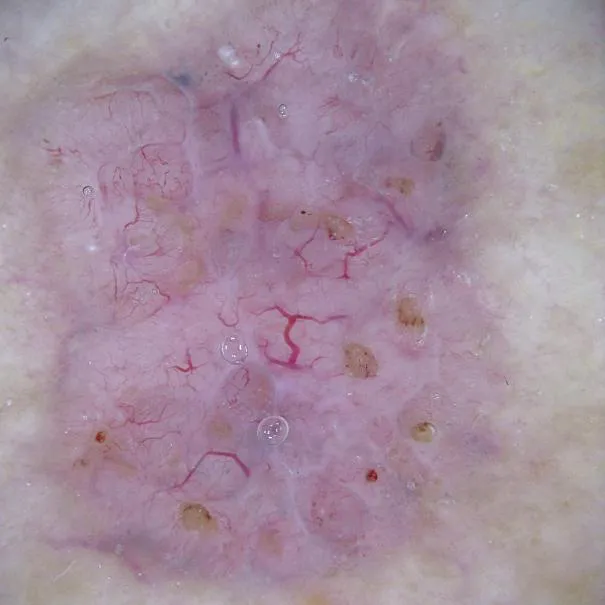
Seborrheic dermatitis is a chronic, relapsing inflammatory skin condition that primarily affects areas rich in sebaceous glands, such as the scalp, face, and upper trunk. It is closely associated with the proliferation of Malassezia species and an abnormal inflammatory response to these yeasts. In autumn, the combination of a weakened skin barrier and changes in sebum composition provides an ideal environment for Malassezia to induce an inflammatory response.

Clinically, seborrheic dermatitis presents as erythematous patches with greasy, yellowish scales. On the scalp, it manifests as dandruff or diffuse scaling, while facial involvement commonly affects the nasolabial folds and eyebrows. The condition is not contagious, but it tends to recur and may significantly affect quality of life due to visible scaling and pruritus.
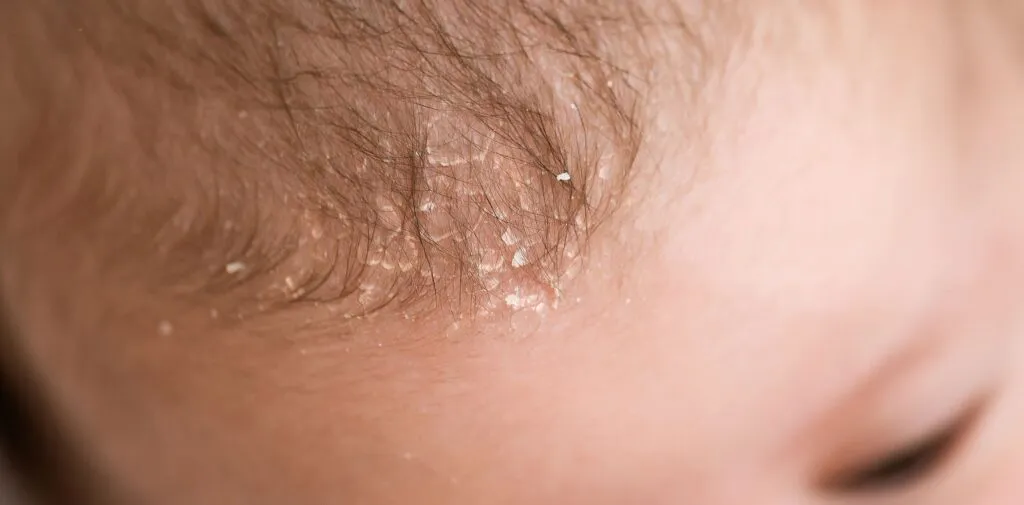
Seborrheic Dermatitis

How Does Psoriasis Vulgaris Change During Autumn?

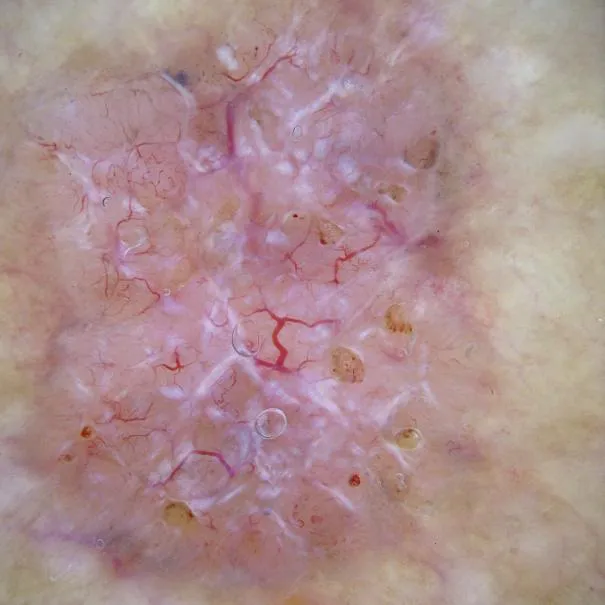
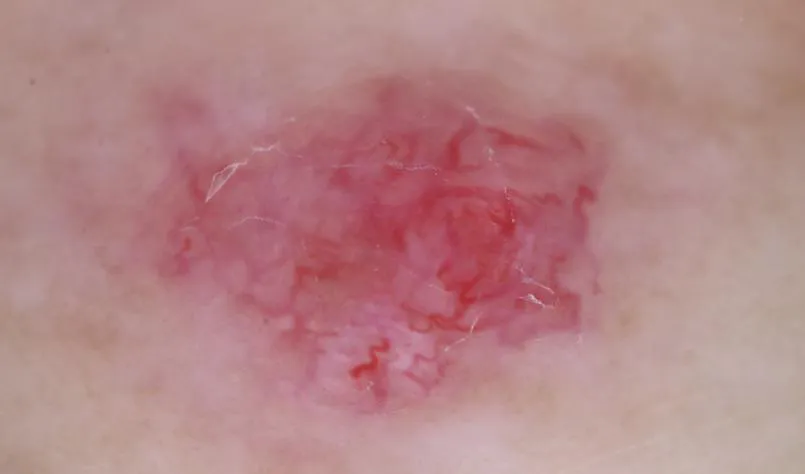
Psoriasis vulgaris is a chronic immune-mediated disease characterized by hyperproliferation of keratinocytes and persistent inflammation. Many patients experience seasonal variation, with improvement during summer and worsening in autumn and winter. Reduced exposure to natural sunlight in autumn is a major contributing factor, as ultraviolet radiation has well-established immunomodulatory effects that suppress psoriatic inflammation.

In autumn, patients may notice the gradual reappearance or thickening of plaques. Classic lesions are well-demarcated, erythematous plaques covered by silvery-white scales, most commonly on the scalp, elbows, knees, and lower back.
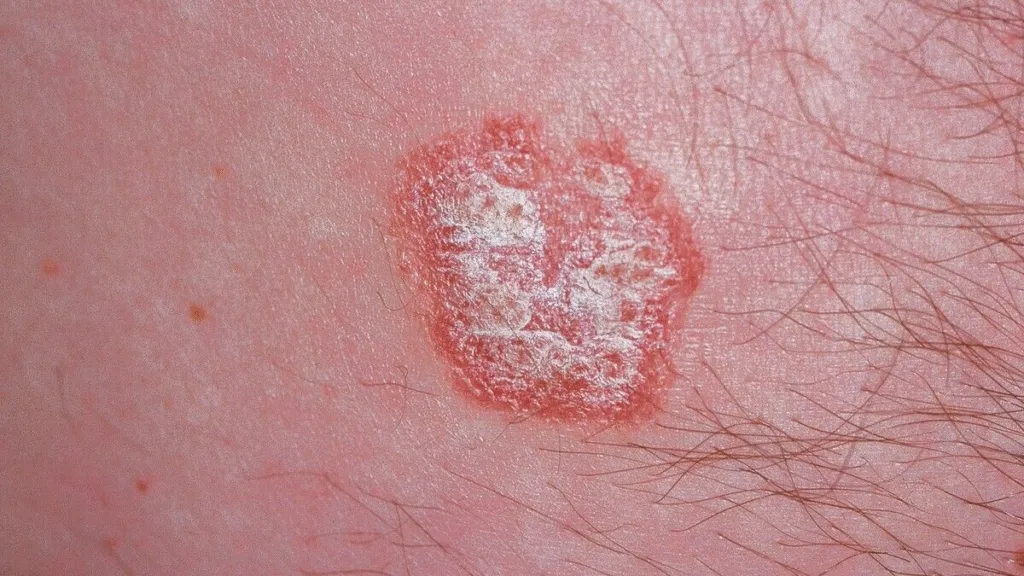
Psoriasis Vulgaris
Psoriasis Vulgaris

Why Does Pityriasis Versicolor Become Apparent in the Autumn?

Pityriasis versicolor is a superficial fungal infection caused by an overgrowth of Malassezia species, the same genus involved in seborrheic dermatitis. While the condition often develops during warm and humid months, it is frequently diagnosed in autumn when residual lesions become more apparent. After summer tanning fades, the contrast between affected and unaffected skin becomes more noticeable.

The disease presents as hypo- or hyperpigmented macules with fine scaling, commonly distributed on the upper trunk, neck, and proximal arms. Inflammation is usually minimal, and symptoms such as itching are mild or absent. Although pityriasis versicolor is benign, its pigmentary changes can persist for months, leading patients to seek medical evaluation in autumn.
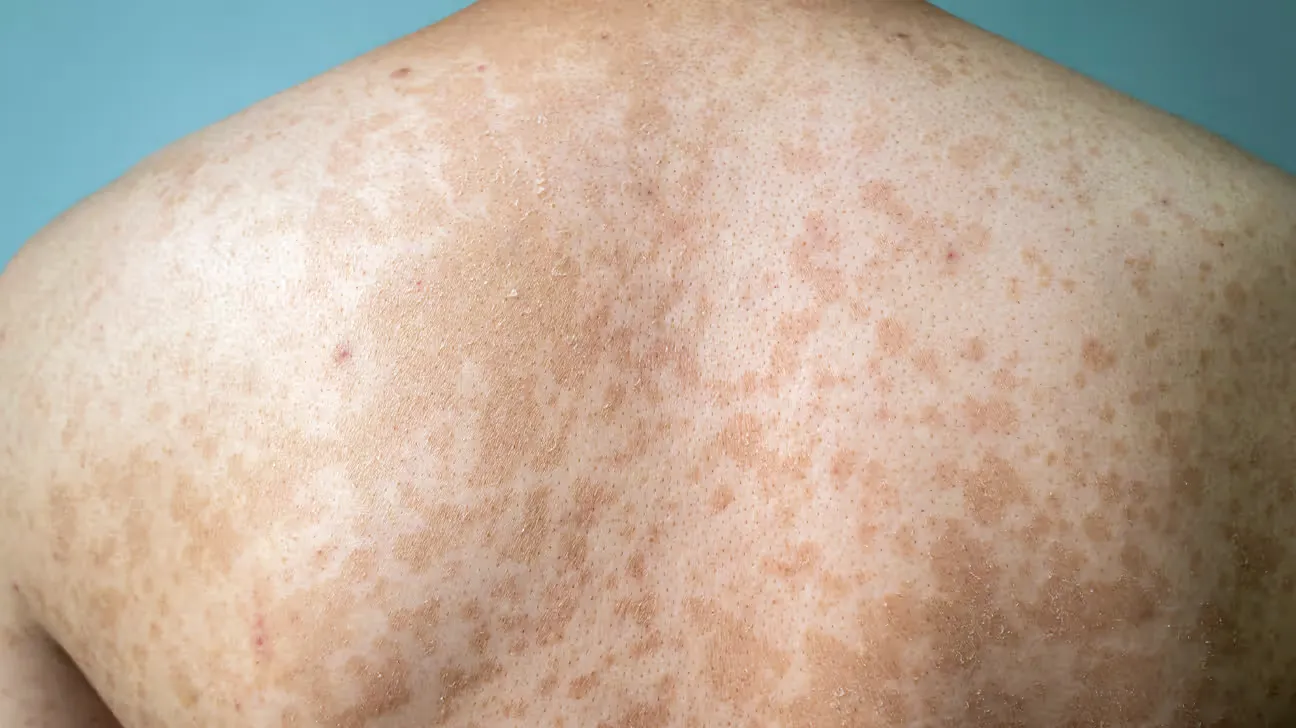
pityriasis versicolor1
Pityriasis Versicolor

How Can the IBOOLO DE-4100 PRO Differentiate These Conditions?

Accurate diagnosis is essential because the treatment for a fungal infection like pityriasis versicolor differs fundamentally from the treatment for inflammatory conditions like psoriasis. Dermoscopy can enable visualization of subsurface skin structures, including vascular patterns and scale distribution, which are not visible to the naked eye. The IBOOLO DE-4100 PRO dermatoscope is a powerful diagnostic tool that allows clinicians to distinguish between these conditions through high-resolution visualization.

(1) Seborrheic Dermatitis

Under the IBOOLO DE-4100 PRO, seborrheic dermatitis typically displays a disorganized vascular pattern consisting of thin, dotted, or short linear vessels over a yellowish-pink background. The 10X magnification is particularly effective at highlighting the “greasy” yellow scales clustered around hair follicles.

(2) Psoriasis Vulgaris

In contrast, psoriasis presents a highly regular profile. The clinician will observe uniform red dots (glomerular vessels) distributed evenly across the entire lesion. The polarized light mode of the IBOOLO device is especially useful for visualizing the “silvery-white” scales, which appear bright and prominent.

(3) Pityriasis Versicolor

The IBOOLO DE-4100 PRO offers a distinct advantage for diagnosing pityriasis versicolor through its integrated UV light mode. Under UV light, the Malassezia yeast often exhibits a characteristic golden-yellow or orange-copper fluorescence. This allows the physician to confirm a fungal origin quickly and non-invasively.
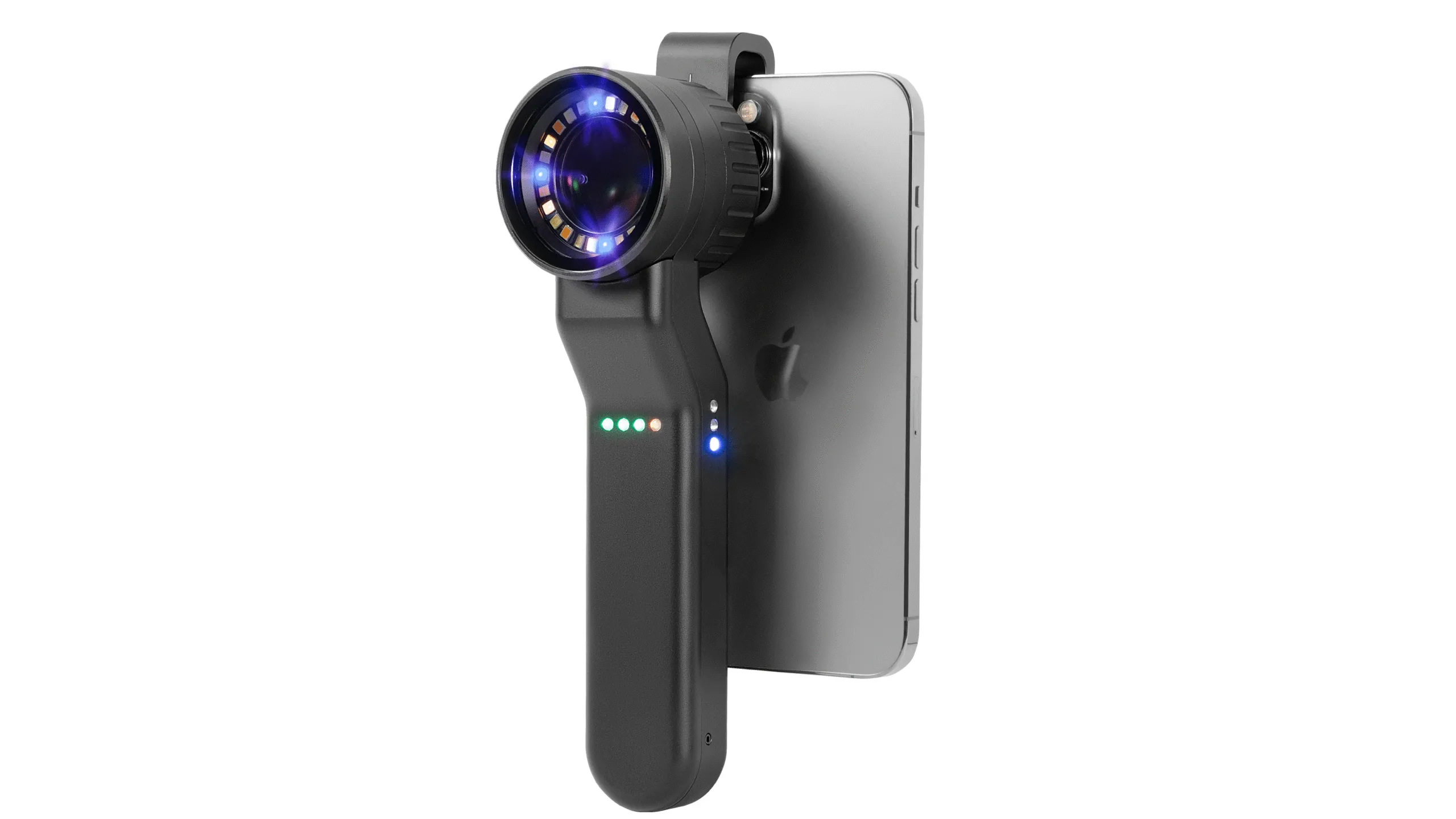
DE-4100 PRO UV
IBOOLO DE-4100 PRO

How Can Autumn Skin Conditions Be Prevented or Minimized?

Preventing autumn skin exacerbations requires a proactive approach to barrier maintenance. As the humidity begins to drop, individuals should switch to richer, emollient-based moisturizers that contain barrier-repairing ingredients such as ceramides and fatty acids. This prevents micro-cracking.

For seborrheic dermatitis and pityriasis versicolor, maintaining a balanced skin microbiome is key. The use of antifungal cleansers once or twice a week can help keep yeast populations under control. For psoriasis patients, avoiding triggers such as harsh soaps is crucial. Since natural UV light is scarce, some patients may benefit from medically supervised phototherapy to replace the lost sunlight of summer.

Lifestyle factors also play a role. Managing stress, maintaining regular sleep patterns, and addressing intercurrent infections support immune balance during seasonal transitions. Although not all autumn skin conditions can be fully prevented, early intervention significantly reduces disease burden.
Share this article

0

No products in the cart.

Ask

Have questions on gear or your order?

Our Gear Guides are here to help! Get personal advice from pro creatives

Name
Subject
Email address
How can we help?
Answers

Instant Answers

How can dermoscopy images be captured?

Dermoscopy images can be captured and stored in different ways, such as: • Using a smartphone or tablet with dermoscopic adapter, which consisted in the package.• Using a digital camera

Dermoscopy images can be captured and stored in different ways, such as:

• Using a smartphone or tablet with dermoscopic adapter, which consisted in the package.
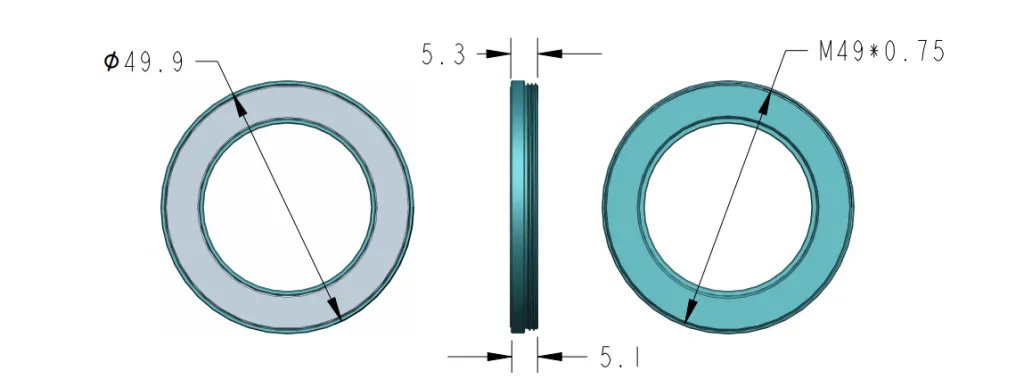
• Using a digital camera with dermoscopic adapter, there’s 49mm screw size camera adapter available to order now.

Compatible phone/tablet models:
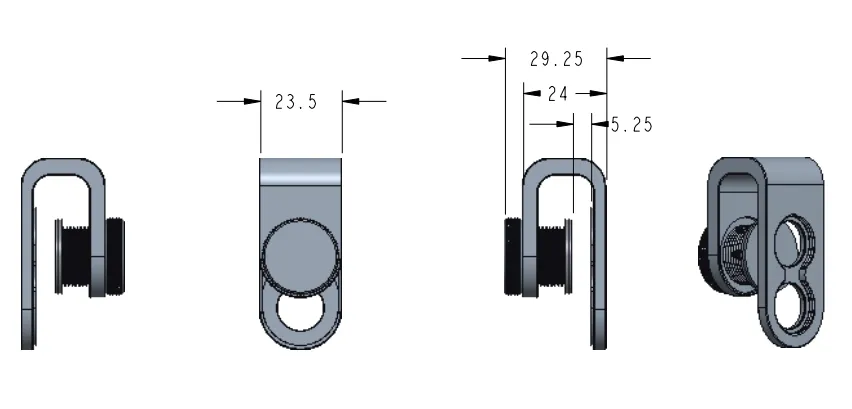
All iPhone models, 95% Android phones, 90% tablet. For phone/tablet size in 5.25-14mm

Compatible camera models:
All camera with built 49mm filter screw, such as Canon EOS 70D, 80D, 90D; Canon EOS R7, R10, R50, R100; Canon M100, M200, M50, Mark II; Canon G7X Mark III, Sony ZV-1

How can I connect my phone to my dermatoscope?

There’s universal phone adapter for all our dermoscopes. Please check the installation procedure bellow or watch operation guide. Smartphone Connector (1) Place phone adapter screw in the center of smartphone’s

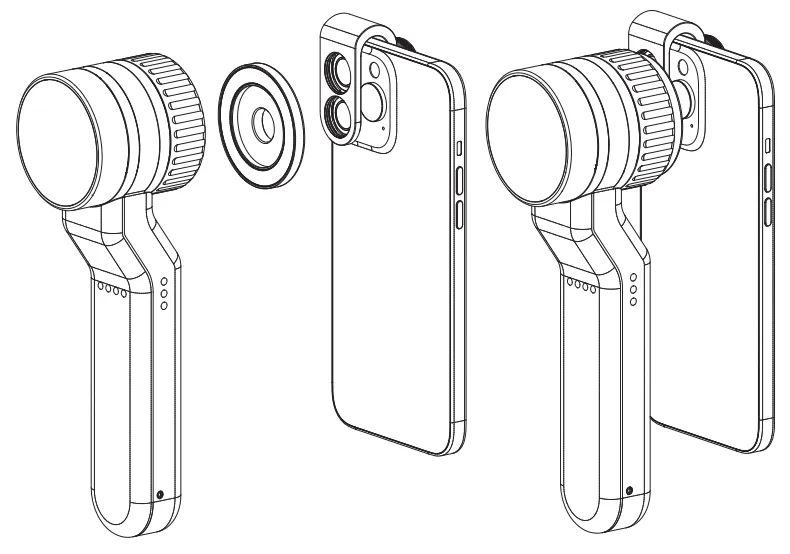
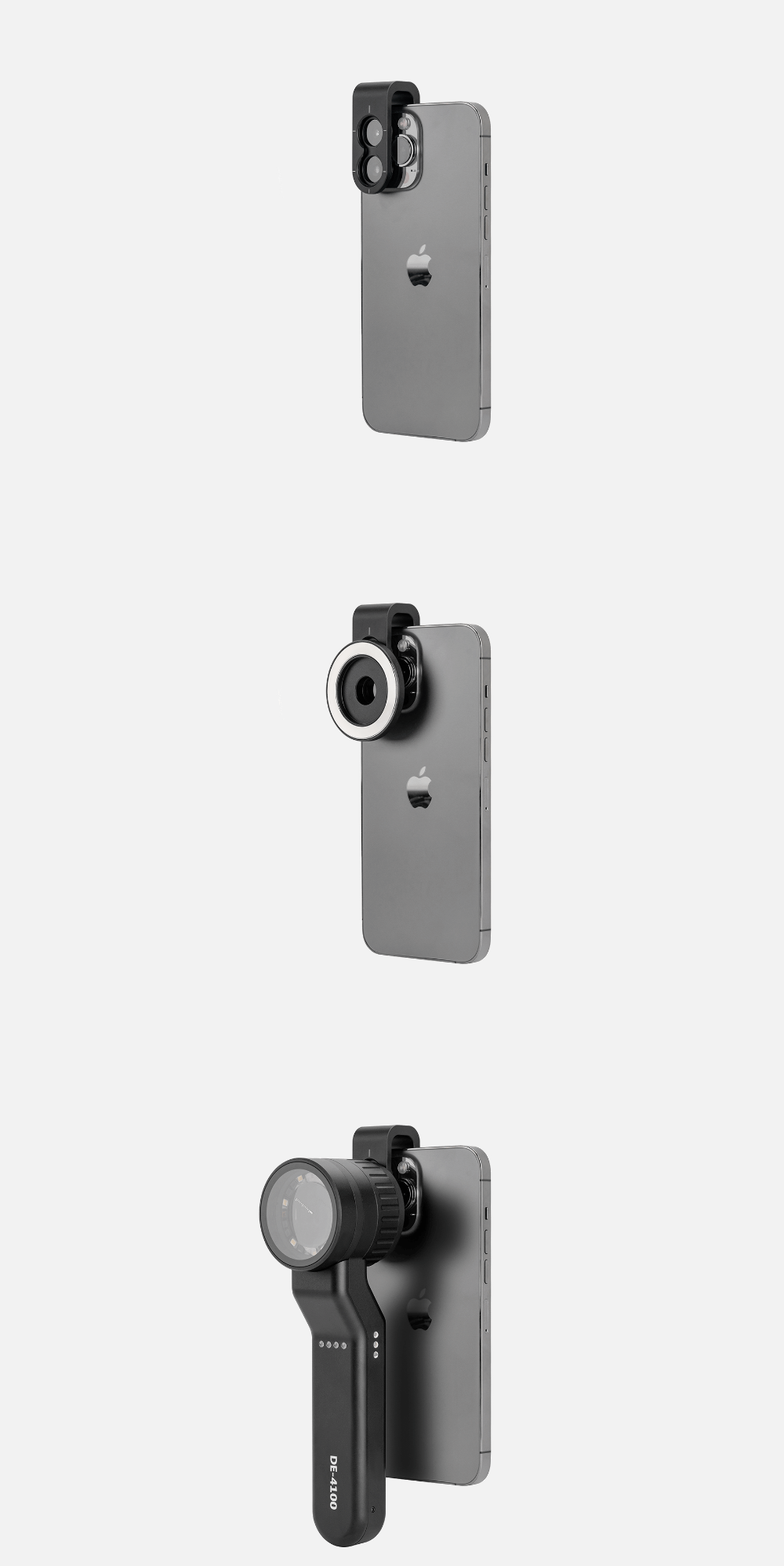
There’s universal phone adapter for all our dermoscopes. Please check the installation procedure bellow or watch operation guide.

Smartphone Connector

(1) Place phone adapter screw in the center of smartphone’s main camera.
(2) Screw magnet attachment on phone adapter.
(3) Put dermoscope’s back ring and magnet attachment together

Take The Best Images

You need to adjust the focus ring after the dermoscpe connected on smartphone to get the best images.

How can I clean my dermoscopy after usage?

Cleaning your dermoscopy after usage is important to prevent cross-contamination and infection. The cleaning method may vary depending on the type and model of your dermoscopy, so you should always

Cleaning your dermoscopy after usage is important to prevent cross-contamination and infection. The cleaning method may vary depending on the type and model of your dermoscopy, so you should always follow the manufacturer’s instructions. However, some general steps are:

• Turn off and disconnect your dermoscopy from any power source or device.

• Wipe off any visible dirt or debris from the dermoscopy with a soft cloth or tissue.

• Disinfect the dermoscopy with an alcohol-based wipe or spray, or a disinfectant solution recommended by the manufacturer. Make sure to cover all surfaces, especially the lens and contact plate.

• Let the dermoscopy air dry completely before storing it in a clean and dry place.

• Do not use abrasive or corrosive cleaners, solvents, or detergents that may damage the dermoscopy.

• Do not immerse the dermoscopy in water or any liquid, unless it is waterproof and designed for immersion.

You should clean your dermoscopy after each use, or at least once a day if you use it frequently. You should also check your dermoscopy regularly for any signs of damage or malfunction, and contact the manufacturer or service provider if needed.

Polarized VS Non-polarized Dermoscopy

A dermoscopy is a device that allows the examination of skin lesions with magnificationand illumination. By revealing subsurface structures and patterns that are not visible tothe naked eye. It can

A dermoscopy is a device that allows the examination of skin lesions with magnificationand illumination. By revealing subsurface structures and patterns that are not visible tothe naked eye. It can improve the diagnose accuracy of skin lesions, such as melanoma,basal cell carcinoma, seborrheic keratosis, etc.

There are two main types of dermoscopy: Non polarized and polarized dermoscopy.We’ve fitted most of our dermoscopys with polarized and non-polarized light. They canbe used in multiple skin structures.

Non-polarized contact Mode

In non-polarized mode, the instrument can provide information about the superficialskin structures, such as milia-like cysts, comedo-like openings, and pigment in theepidemis.

The dermoscopy requires applying a liquid such as mineral oil or alcohol to the skin andplacing the lens in contact with the skin. This reduces surface reflection and enhancesthe view of subsurface structures.

Image with non-polarized light (DE-3100)

Polarized contact Mode

In polarized mode, the instrument allows for visualization for deeper skin structures,such as blood vessels, collagen, and pigment in the dermis.

The dermoscopy does not need to be in contact with the skin or use any liquid. Theirpolarized light can help to eliminate surface reflection and allow visualization ofvascular structures.

Image with polarized light (DE-3100)

Polarized non-contact Mode

The dermoscopy can also use polarized light to examine the skin without direct contact.

In polarized non-contact mode, the instrument allows for examination infected areasand lesions that are painful for the patient, or the difficult to contact pigmented lesions,such as nails and narrow areas.

The contact plate should be removed in this mode, and it does not require applying aliquid to the skin. As it doesn’t require pressure or fluid application on the skin, it canalso avoid cross-contamination and infection risk.

Image in polarized non-contact mode (DE-3100)

How effectiveness is dermoscopy

Compared with visual inspection, the dermoscopy can be used to capture and store skin lesion photos, which play an important role in early skin cancer examination. The dermoscopy allows the

Compared with visual inspection, the dermoscopy can be used to capture and store skin lesion photos, which play an important role in early skin cancer examination.

The dermoscopy allows the examination of skin lesions with magnification and illumination. This can be greatly avoiding the factors that cause interference to visual detection. Such as lighting, skin color, hair and cosmetics.

Several studies have demonstrated that dermoscopy is useful in the identification of melanoma, when used by a trained professional.

It may improve the accuracy of clinical diagnosis by up to 35%
It may reduce the number of harmless lesions that are removed
In primary care, it may increase the referral of more worrisome lesions and reduce the referral of more trivial ones

A 2018 Cochrane meta-analysis published the accuracy of dermoscopy in the detection.

Table 1. Accuracy of dermoscopy in the detection of melanoma in adults
Detection Method Sensitivity, % Specificity, % Positive Likelihood Ratio NegativeLikelihood Ratio
Visual inspection alone (in person) 76 75 3.04 0.32
Dermoscopy with visual inspection (in person) 92 95 18 0.08
Image-based visual inspection alone (not in person) 47 42 0.81 1.3
Dermoscopy with image-based visual inspection (not in person) 81 82 4.5 0.23
ROC—receiver operating characteristic. *Estimated sensitivity calculated on the summary ROC curve at a fixed specificity of 80%.

As we can see, the dermoscope can improve the accuracy of diagnosis of skin lesions, especially melanoma.

Table 1. Accuracy of dermoscopy in the detection of melanoma in adults
Detection Method Sensitivity, % Specificity, % Positive Likelihood Ratio NegativeLikelihood Ratio
Visual inspection alone (in person) 79 77 3.4 0.27
Dermoscopy with visual inspection (in person) 93 99 93 0.07
Image-based visual inspection alone (not in person) 85 87 6.5 0.17
Dermoscopy with image-based visual inspection (not in person) 93 96 23 0.07
ROC—receiver operating characteristic. *Estimated sensitivity calculated on the summary ROC curve at a fixed specificity of 80%.

Characteristics of the dermatoscopic structure of the skin lesions include:

• Symmetry or asymmetry
• Homogeny/uniformity (sameness) or heterogeny (structural differences across the lesion)
• Distribution of pigment: brown lines, dots, clods and structureless areas
• Skin surface keratin: small white cysts, crypts, fissures
• Vascular morphology and pattern: regular or irregular
• Border of the lesion: fading, sharply cut off or radial streaks
• Presence of ulceration

There are specific dermoscopic patterns that aid in the diagnosis of the following pigmented skin lesions:

• Melanoma
• Moles (benign melanocytic naevus)
• Freckles (lentigos)
• Atypical naevi
• Blue naevi
• Seborrhoeic keratosis
• Pigmented basal cell carcinoma
• Haemangioma

We use cookies on this website to provide a better user experience. By continuing to browse the website, you are giving your consent to receive cookies on this site. For more details please read our Privacy Policy.

Hot Search Terms