






Article
What Skin Conditions Are Most Common in the Summer?
Summer brings heat, humidity, strong sunlight, and increased outdoor activity. These environmental changes contribute to a rise in certain skin conditions. Among the most common are Miliaria, Polymorphous light eruption (PLE), and exacerbated Acne vulgaris. Because these conditions may appear similar at a glance—red bumps, itchiness, or pimples—careful examination and sometimes dermoscopy can help distinguish…
Summer brings heat, humidity, strong sunlight, and increased outdoor activity. These environmental changes contribute to a rise in certain skin conditions. Among the most common are Miliaria, Polymorphous light eruption (PLE), and exacerbated Acne vulgaris. Because these conditions may appear similar at a glance—red bumps, itchiness, or pimples—careful examination and sometimes dermoscopy can help distinguish them.
What Are the Features of Miliaria?
Miliaria, also known as heat rash, sweat rash, or prickly heat, is caused by blockage or inflammation of the eccrine sweat glands or their ducts. When the duct is obstructed, sweat cannot escape to the skin surface. Instead, it leaks into surrounding layers of the skin, which leads to irritation.
The clinical features vary depending on the depth at which the obstruction occurs. In the mildest type, termed miliaria crystallina, small, clear, superficial vesicles filled with sweat appear on the skin. These lesions usually show minimal or no inflammation. A more common and symptomatic type is miliaria rubra. It produces red and itchy papules or small blisters. Patients often report a prickling or stinging sensation. The rash tends to develop in areas where sweat collects or where clothing rubs against the skin, including the neck, upper trunk, body folds, the groin area, and the skin under the breasts. A less common but deeper form, called miliaria profunda, may occur after repeated episodes. It presents as firm, flesh-coloured papules, which are typically less itchy but may last longer than more superficial variants.
Most cases of miliaria resolve on their own once heat and humidity are reduced. Cooling the skin and keeping it dry allow the obstructed sweat ducts to recover, and the rash gradually disappears.

What Are the Features of Polymorphous Light Eruption?
Polymorphous light eruption is a form of photodermatosis — that is, a skin reaction triggered by exposure to ultraviolet (UV) light, particularly UVA or UVB. It commonly appears in spring or early summer, when skin is first exposed after a period of lower sunlight; though less common in tropical climates, it can still occur when UV exposure rises.
Clinically, PLE manifests within hours to a few days after sun exposure. The skin reaction is variable: it may present as smooth, red-topped papules that merge into plaques, small fluid filled blisters, scaly patches, or even target-like lesions. It usually affects sun-exposed areas like forearms, legs, chest, and sometimes neck; symmetry is common, and similar patterns often recur in the same individual each summer. The lesions often cause itching or burning sensations.
Although PLE is generally not dangerous, it can be distressing. In many individuals, repeated sun exposure over the summer can lead to a “hardening” effect, whereby skin becomes less reactive.

How Does Summer Exacerbate Acne?
In hot, humid weather, increased sweating combines with natural skin oils, dirt, and sometimes occlusive cosmetics or sunscreens. This environment fosters clogging of hair follicles and sebaceous glands, leading to increased risk of acne, including more severe forms sometimes called “tropical acne.”
Moreover, humid conditions favour bacterial and fungal growth on the skin. Bacteria may contribute to inflammation of clogged follicles, aggravating acne or causing folliculitis. As a result, individuals prone to acne or those with oily skin often notice flare-ups in summer.

Can Dermoscopy Help Distinguish Among These Conditions?
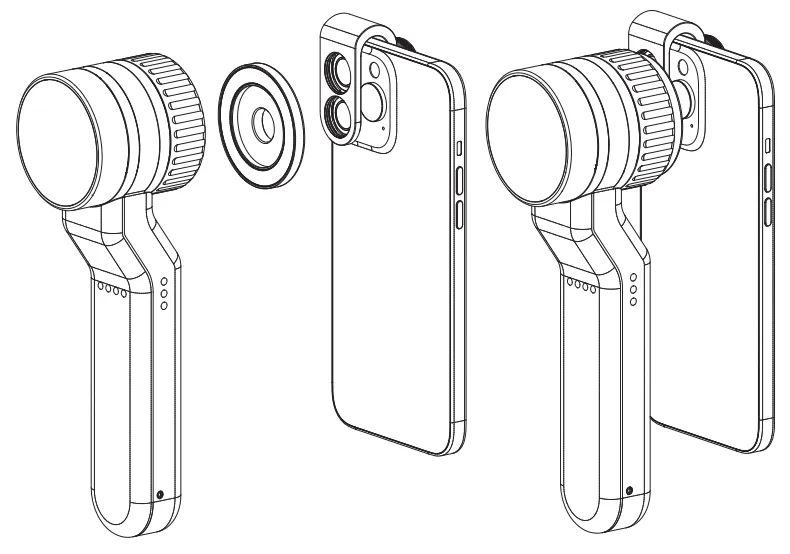
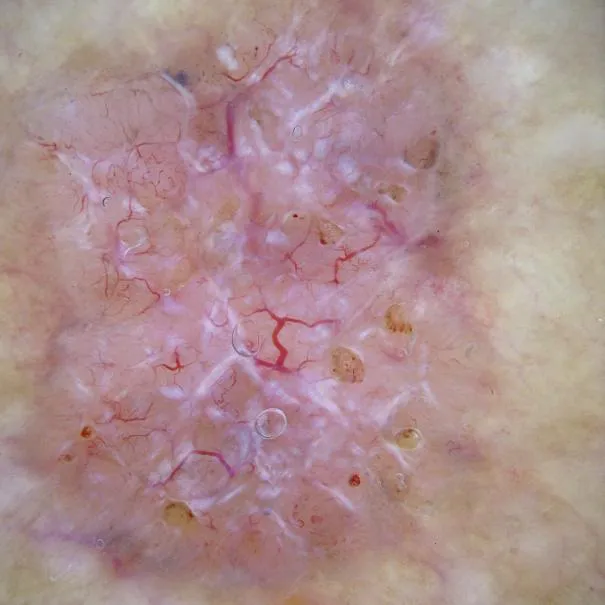
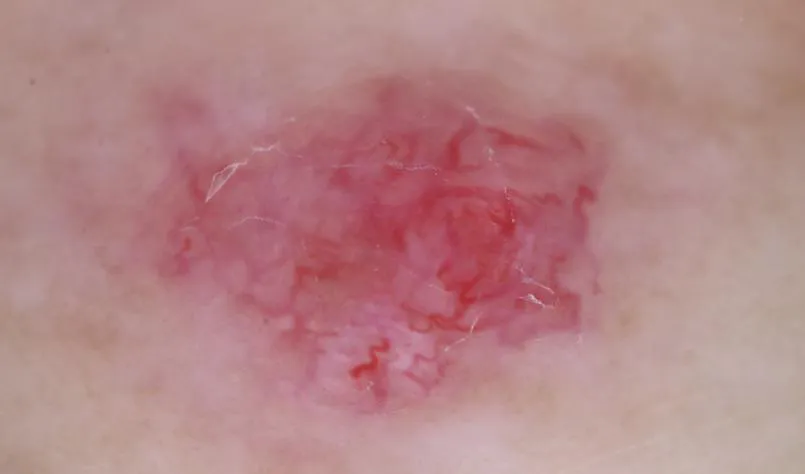
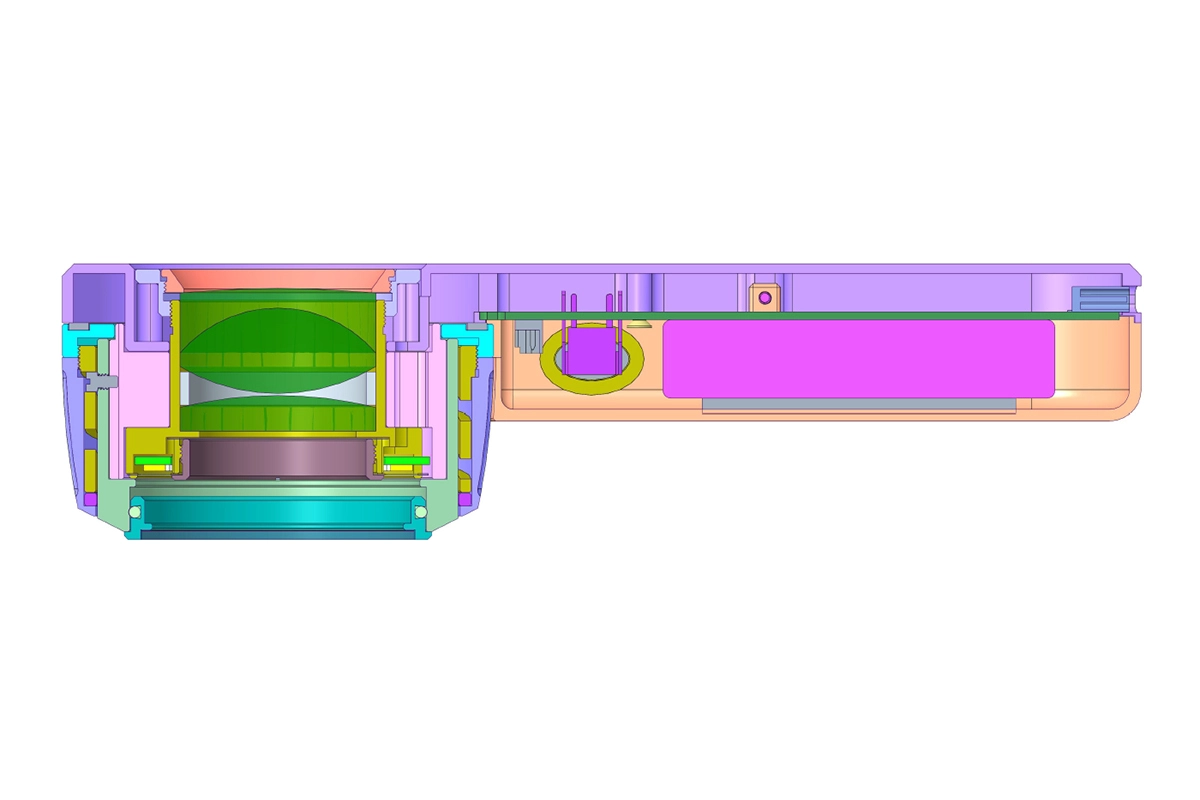
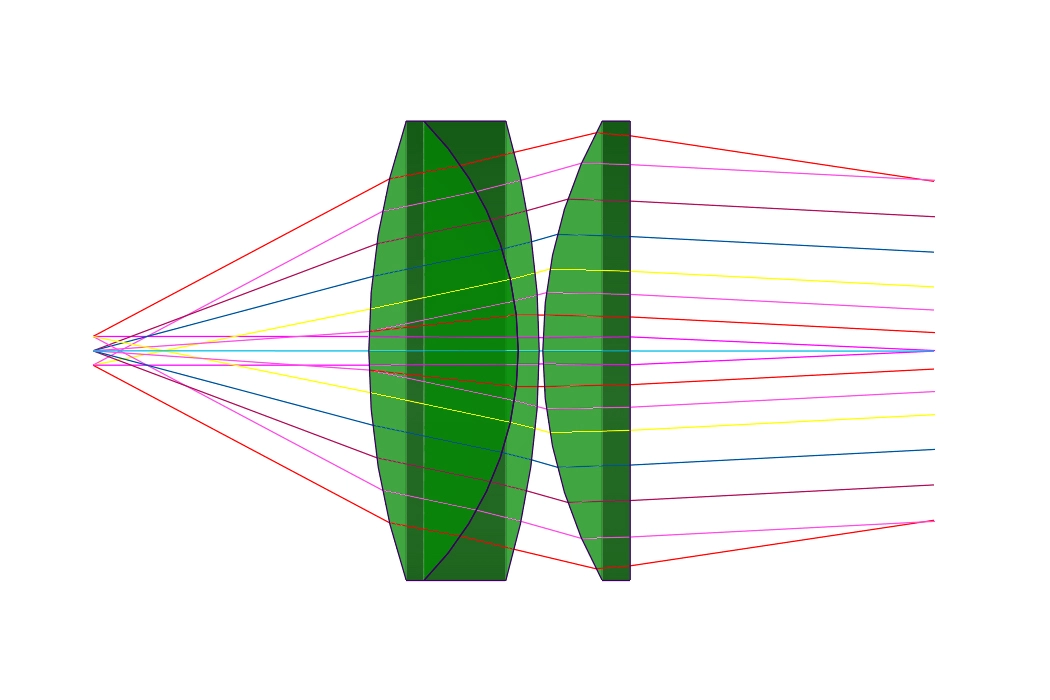
Dermoscopy, the use of a magnified, polarized light source, has become an invaluable tool for enhancing the clinical assessment of non-pigmented and inflammatory skin lesions, including the common summer dermatoses. The IBOOLO dermatoscope allows the clinician to visualize subsurface structures and patterns that are invisible to the naked eye, leading to rapid and non-invasive differential diagnosis.
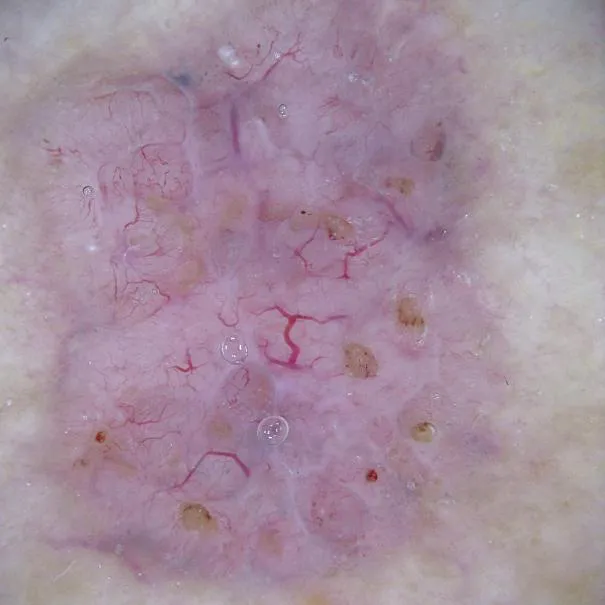
For miliaria, dermoscopy of miliaria rubra often shows a characteristic pattern: a central pale or white area surrounded by a darker halo, resembling a bull’s-eye. This pattern helps distinguish miliaria from other papular or pustular eruptions such as folliculitis, viral rash, or sweat dermatitis.
For PLE, dermoscopy can also be informative. A study reported a dermoscopic sign described as ring scales: white circular scales arranged around the lesions on a light brown to ochre background. This ring-scale pattern may help differentiate PLE from other scaly dermatoses (such as fungal infections or pityriasis) that do not show this signature.
For acne, while dermoscopy can aid in differentiating acne from folliculitis or fungal follicle infections (for example, distinguishing acne from Pityrosporum folliculitis) by examining follicular structures, pustules, and inflammation, in typical summer acne the diagnosis is mostly clinical.
What Can You Do in Summer to Prevent or Minimise These Skin Problems?
Prevention is often simpler and more effective than treatment. For hot, humid climates: wear light, loose, breathable clothing to reduce sweat-duct blockage and friction. Use air conditioning or fans, take cool showers, keep skin dry after sweating, and avoid occlusive clothing or prolonged damp clothes.
For sun-related reactions, limit exposure during peak UV hours, wear protective clothing, hats, and long sleeves, and apply broad-spectrum sunscreen (SPF 30 or more) generously and regularly. Gradual exposure might help for individuals with PLE, under guidance.
For acne-prone skin, maintain gentle but regular cleansing to remove sweat, oil and dirt. Avoid heavy, pore-clogging creams or cosmetics; use non-comedogenic products. Change out of sweaty clothes promptly, and shower after exercise.
If a rash or breakout is persistent, worsening, or causing infection, consult a dermatologist — especially if simple cooling or hygiene measures do not resolve the problem.