





Best Samsung Dermatoscope Adapter & Case for Clinical Imaging | IBOOLO

The ultimate professional adapter for Samsung Galaxy devices. Securely mount IBOOLO dermatoscopes for high-resolution skin cancer screening. FDA & ISO compliant.


The Best Dermatoscope Adapter for Samsung Galaxy: Professional Clinical Solutions

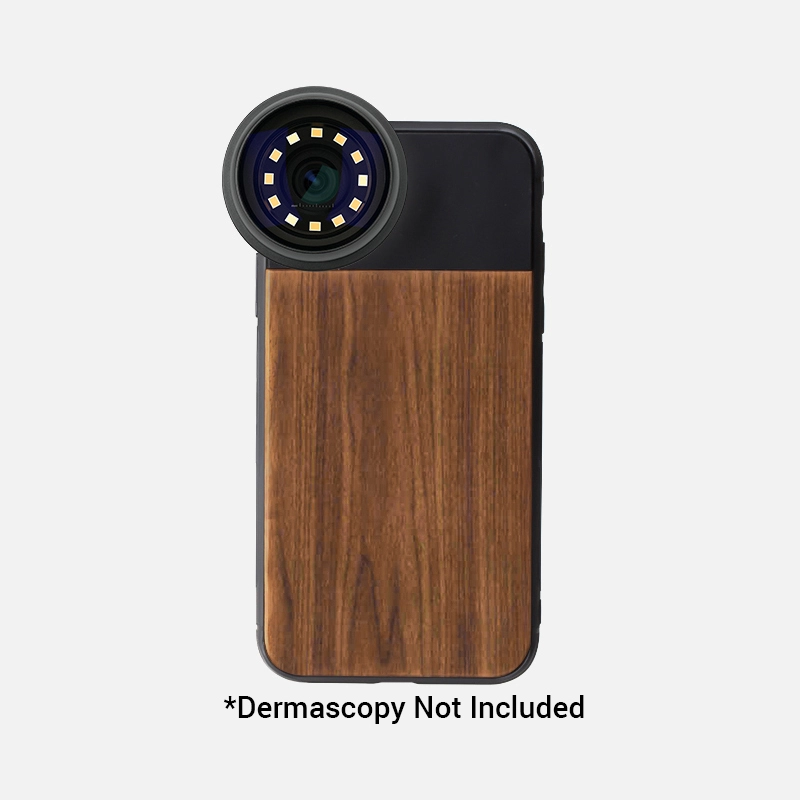
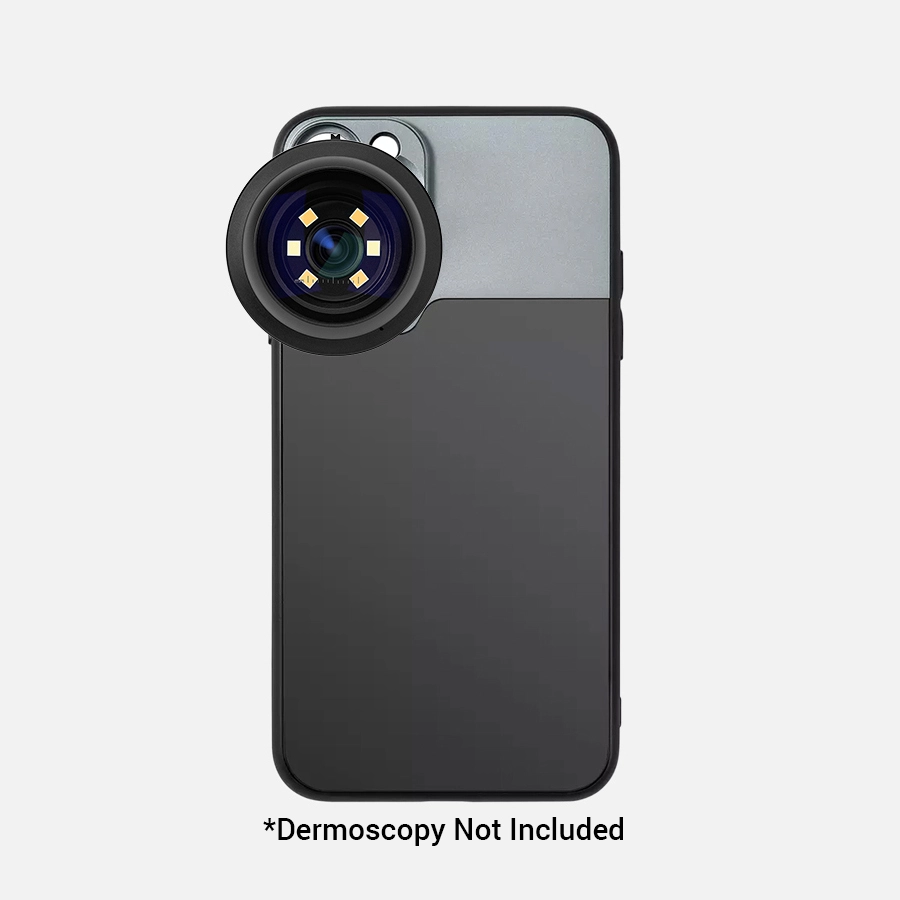
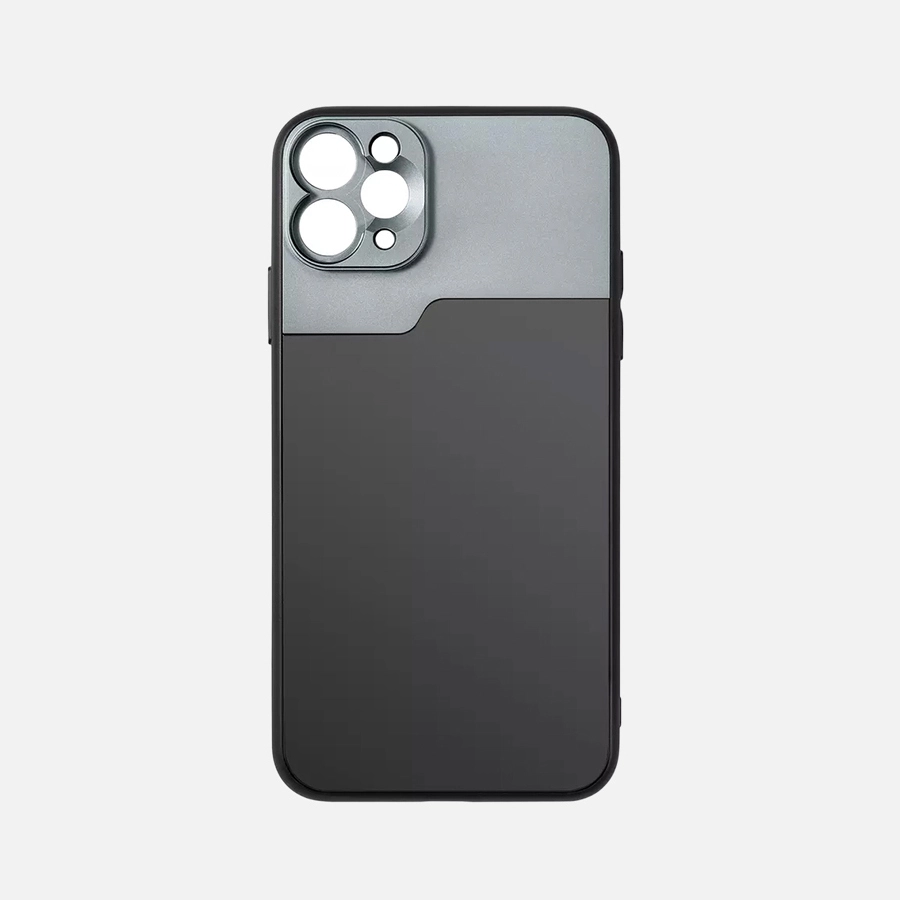
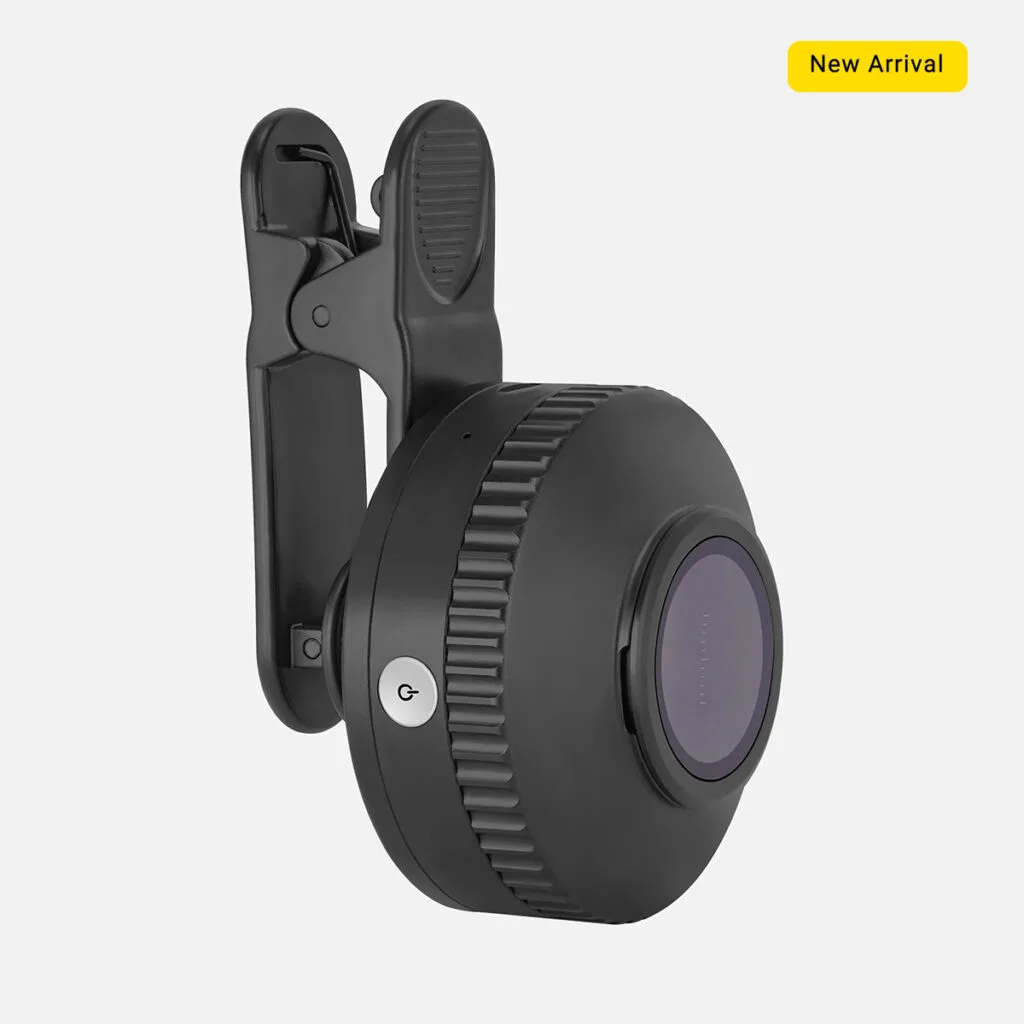
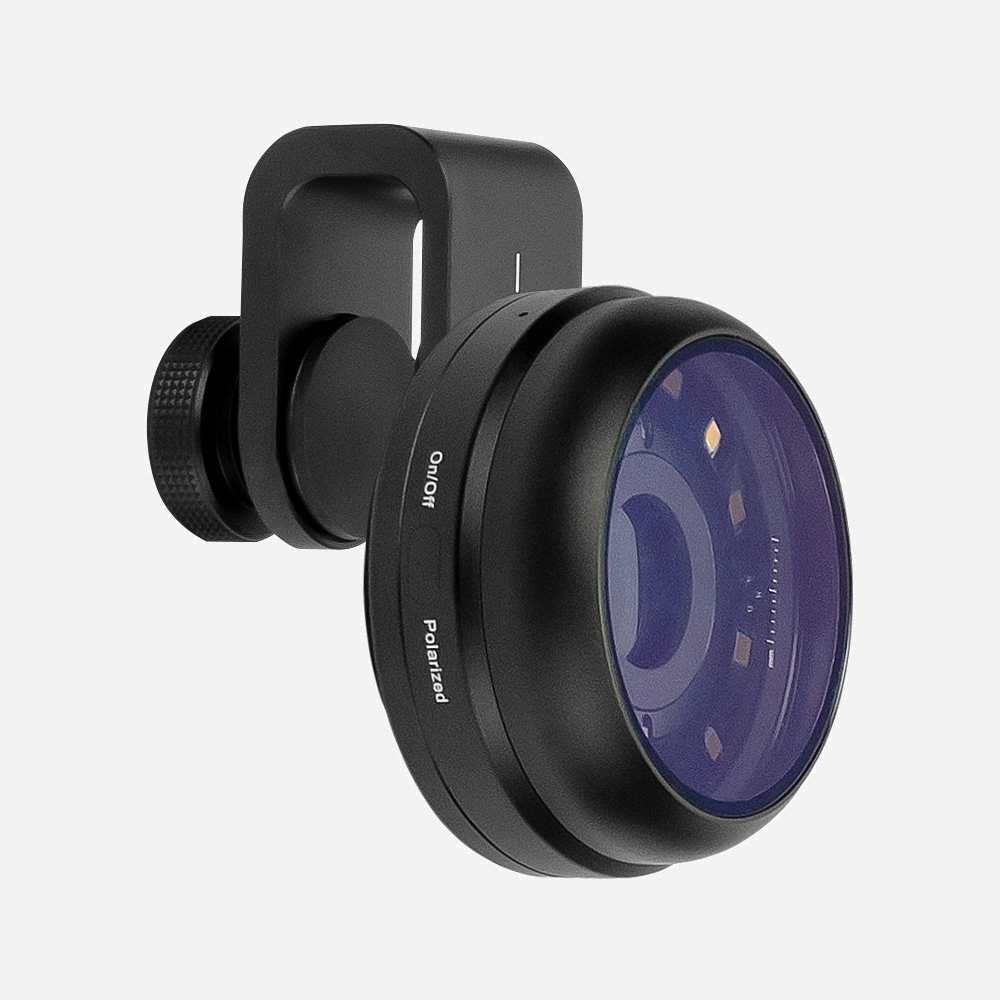
In digital epiluminescence microscopy, the alignment between your smartphone camera and the optical lens is critical for diagnostic accuracy. For medical professionals utilizing the Android ecosystem, finding the best adapter for Samsung devices to support high-resolution skin imaging has historically been a challenge. IBOOLO’s specialized Samsung adapter cases are engineered to bridge this gap, transforming a standard smartphone into a clinical-grade diagnostic powerhouse.

Precision Alignment: Why Your Practice Needs a Dedicated Samsung Adapter

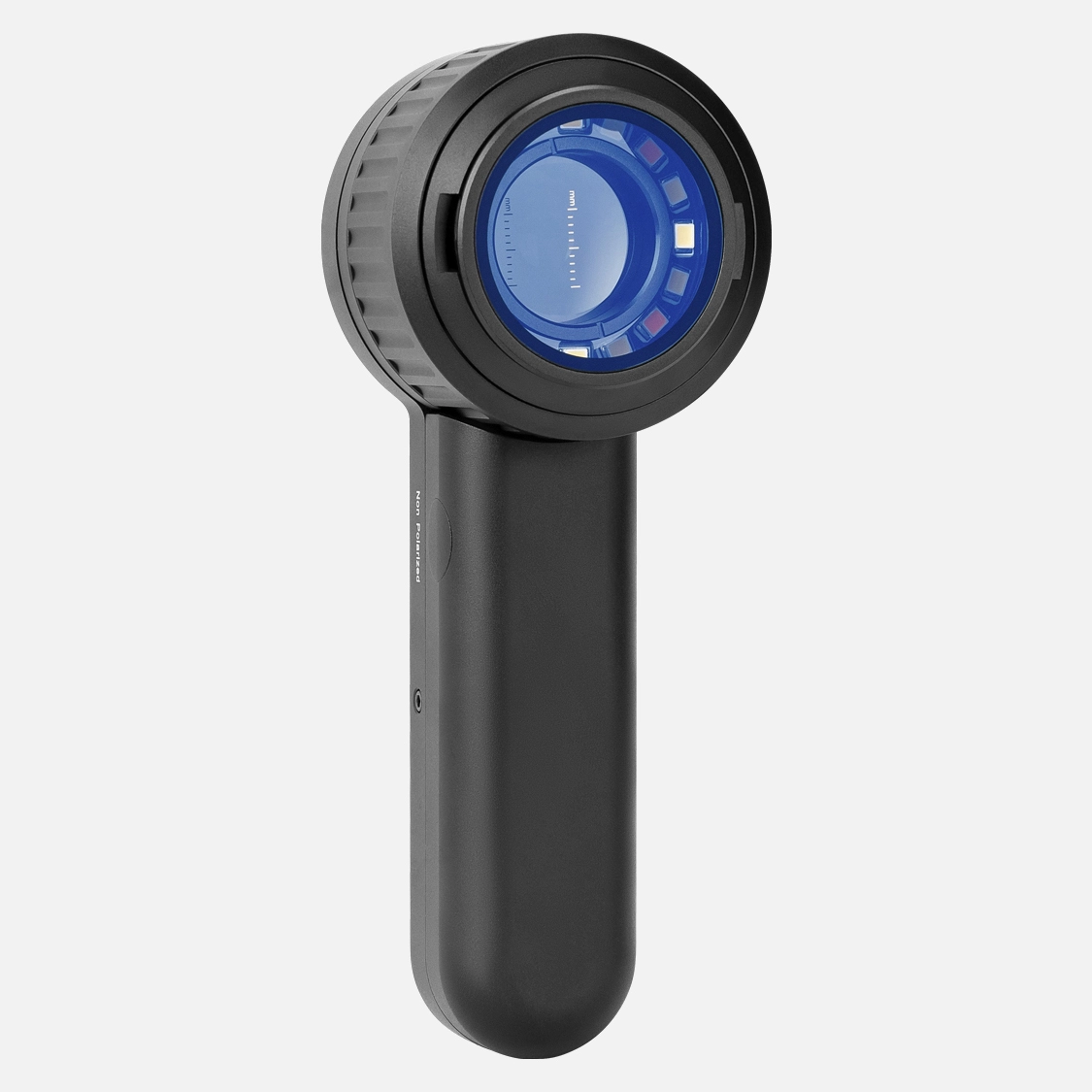
Generic smartphone clips often suffer from lens wobble and misalignment, leading to blurred edges and artifacts in dermoscopic images. When we discuss the best adapter for Samsung in a clinical context, we are referring to a precision-engineered interface. Our Samsung-compatible cases feature a reinforced 17mm screw thread, ensuring that your DE-300, DE-400, or DE-4100 dermatoscope is perfectly centered over the primary sensor every time.

The Advantage of a Form-Fitted Case Design

Unlike universal adapters, our form-fitted Samsung cases provide:

  • Optical Stability: Eliminates mechanical vibration during high-magnification captures.
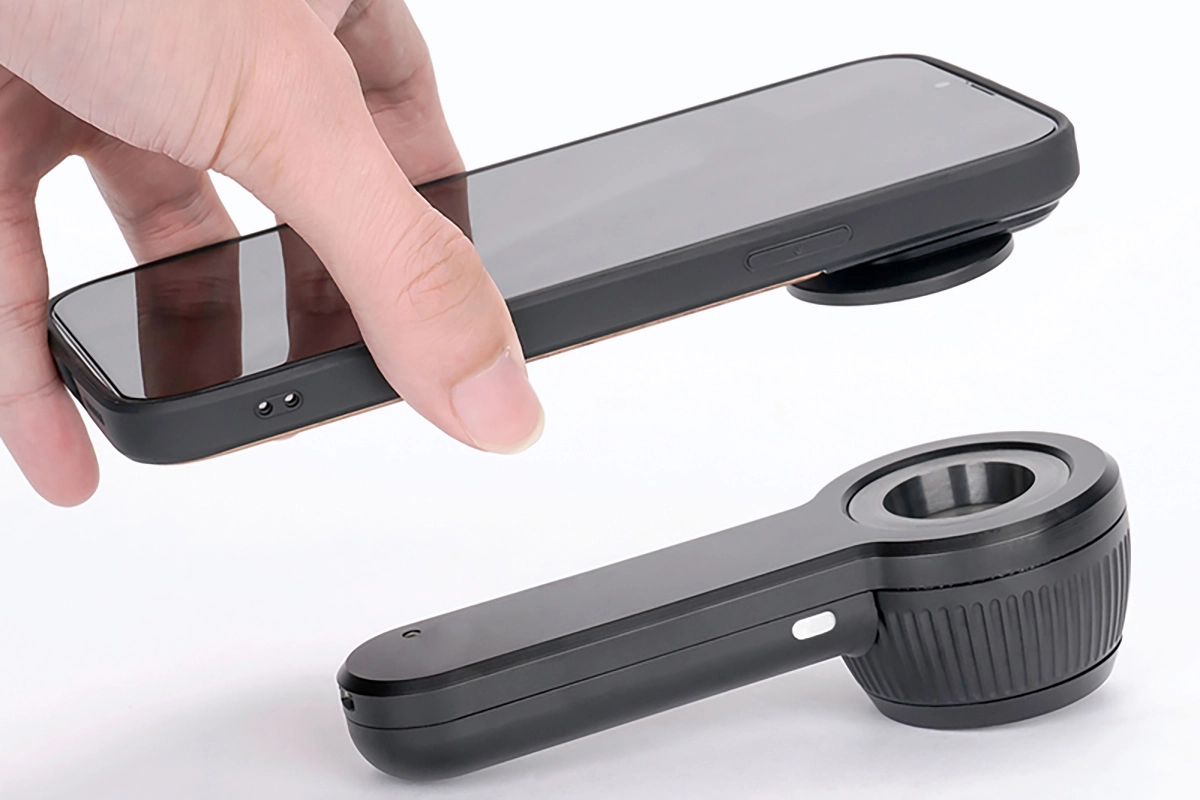
  • Rapid Workflow: Attachment takes less than 3 seconds, allowing for efficient patient screening in busy clinics.
  • Device Protection: Constructed from high-durability TPU, protecting your investment from drops of up to 10 feet.

Compatibility & Versatility Across the Samsung Ecosystem

IBOOLO recognizes the diversity of hardware within the Samsung Galaxy lineup. We provide the best adapter for Samsung S24 Ultra, S23 series, and the Note series, ensuring that regardless of your preferred hardware, your dermatoscopy workflow remains uninterrupted.

Seamless Integration with IBOOLO DE-Series

Our Samsung adapter cases are the foundation of a complete diagnostic system. They are fully compatible with:

  • DE-300 & DE-400: Direct screw-on mounting for a streamlined, lightweight setup.
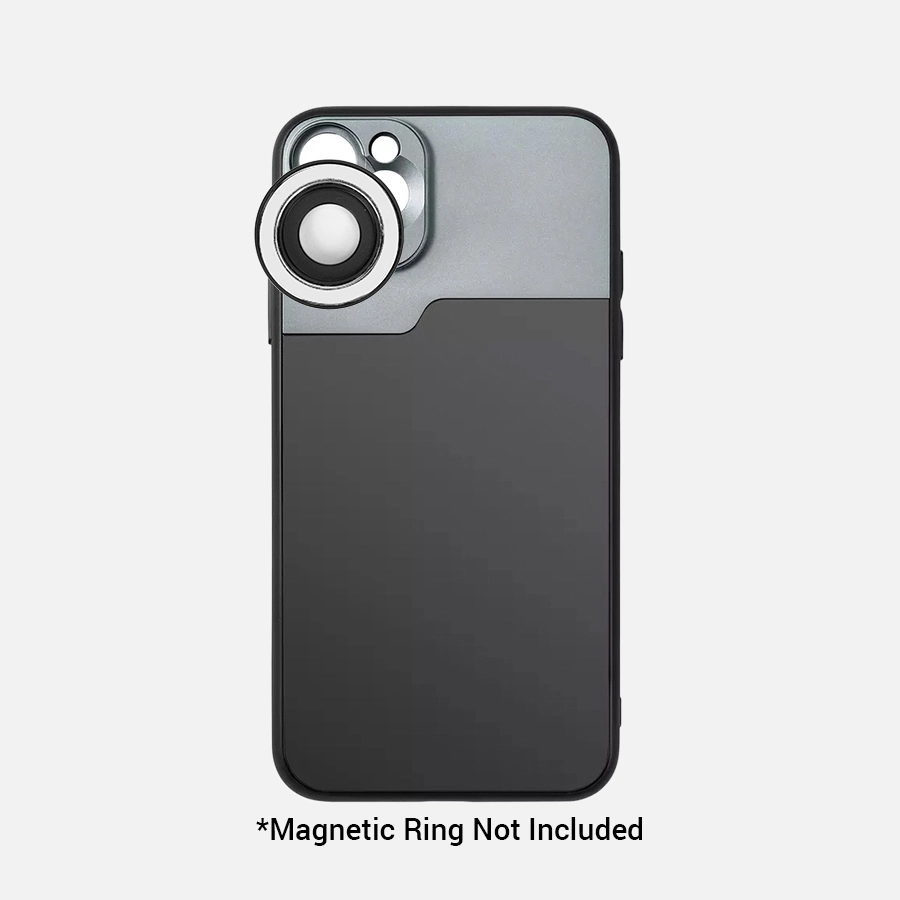
  • DE-3100 & DE-4100: Compatible via our specialized magnetic ring system for the ultimate in professional versatility.

Technical Specifications for Medical Procurement

Feature Specification
Mounting Interface Standard 17mm Precision Thread
Material Shock-Absorbent TPU & Rigid Polycarbonate
Compatibility Samsung S21 through S24 Ultra / Note Series
Weight Approximately 35g (Ultra-Lightweight)

Strategic Choice: Professional Grade vs. Consumer Adapters

When searching for the best adapter for Samsung, many clinicians mistakenly look toward consumer electronics. However, medical-grade documentation requires the stability and optical purity that only a dedicated dermatoscope mount can provide. IBOOLO’s adapter cases are designed specifically for the dermatological environment, where durability and precision are non-negotiable.

B2B Frequently Asked Questions

Can I use this Samsung adapter with other optical mounts?

While designed specifically for IBOOLO dermatoscopes, the 17mm thread is a standard in the mobile optics industry, making it the most versatile best adapter for Samsung camera accessories.

Does the case interfere with standard phone charging?

No. Our precision-cut designs ensure full access to all USB-C ports and buttons, ensuring that your "adapter" also functions as a highly practical daily-use case.

Are bulk discounts available for medical institutions?

Yes. As a primary manufacturer, IBOOLO offers wholesale pricing for clinics and hospitals looking to standardize their smartphone dermatoscopy hardware across their entire staff.


Recommended reading

Reviews – IBOOLO

IBOOLO is a camera lens manufacturer based in China with more than 11+ years of experience in manufacturing, catering to a variety of requirements. We have become experts in the design and manufacture of a wide variety of Dermatoscope, Microscope, Woods Lamp and Macro lens.

Affordable digital dermatoscopes dermoscopy price - IBOOLO

IBOOLO-wide selection affordable of digital dermatoscopes for skin exams and lesion analysis offers competitively priced dermatoscopes with advanced imaging and measurements for precise dermoscopy.

China Skin Cancer Dermoscopy Products Supply Specializes in Professional Items - IBOOLO

Our China products supply creates clinical quality Professional skin cancer dermoscopys enabling powerful skin magnification from anywhere through thoughtful craftsmanship.

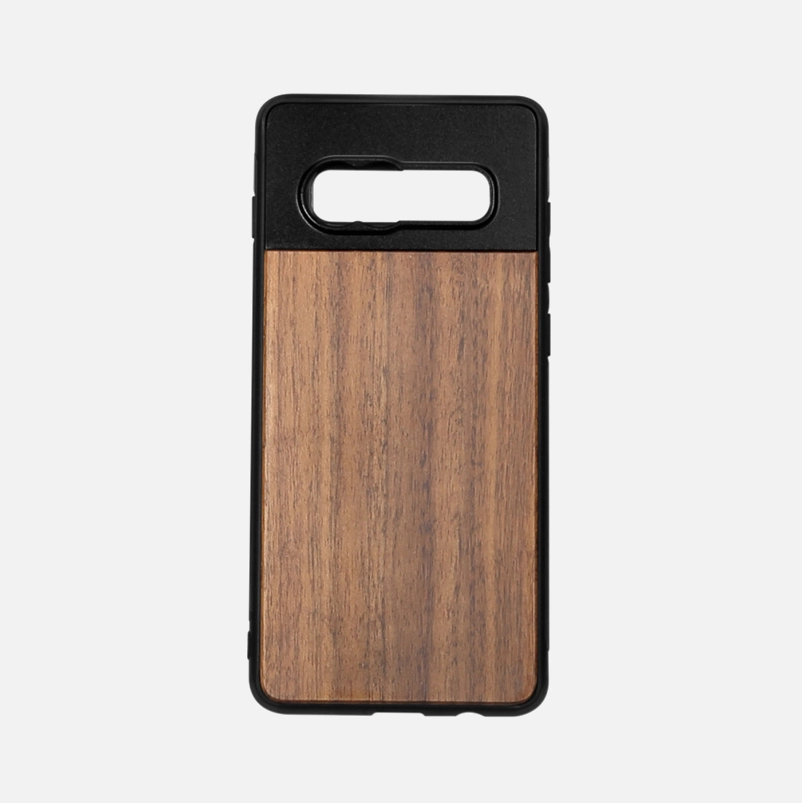
Case for Samsung – Compatible with Dermatoscope
$14.90

  • In Stock

  • Arrive in 5-7 days

  • Free Shipping Worldwide $59+

  • 2 Years Warranty

Info
Features & Compatibility
  • Screw Size: m17*1.0
  • Material: PC, TPU & Aluminum
  • Works with IBOOLO dermatoscopes
  • Add a Wrist Strap

$14.90

  • In Stock

  • Arrive in 5-7 days

  • Free Shipping Worldwide $59+

  • 2 Years Warranty

Related documents & accessories

Related documents & accessories

Easy to Use

Easy to Use

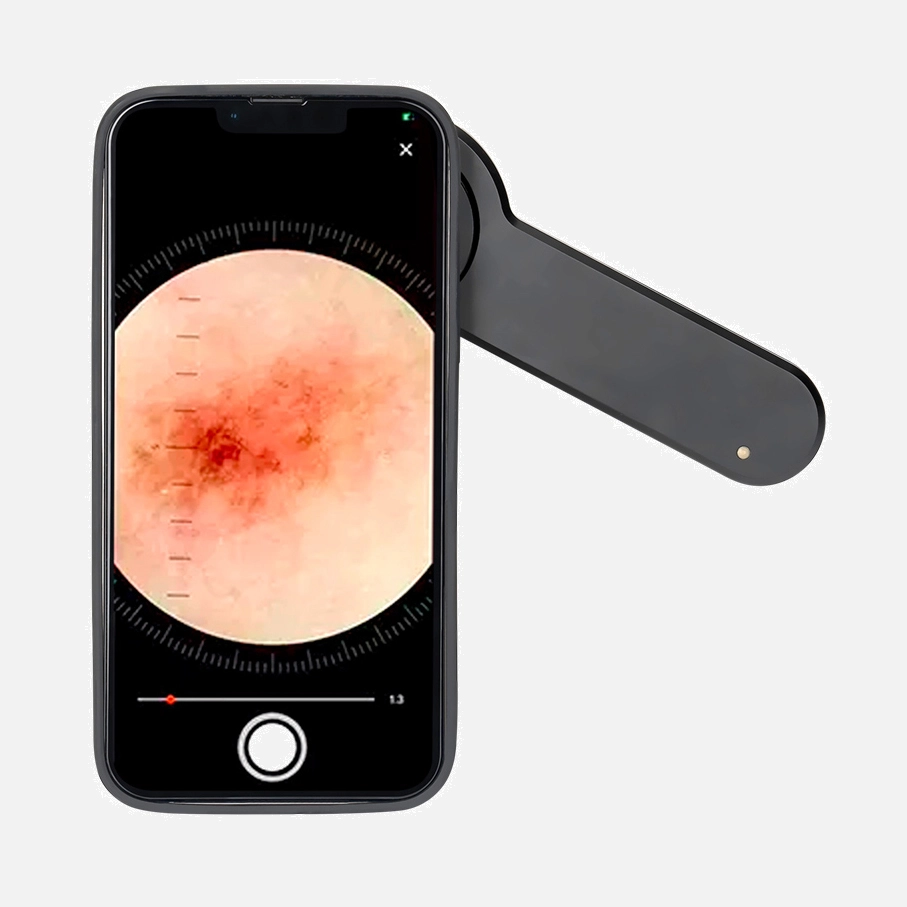
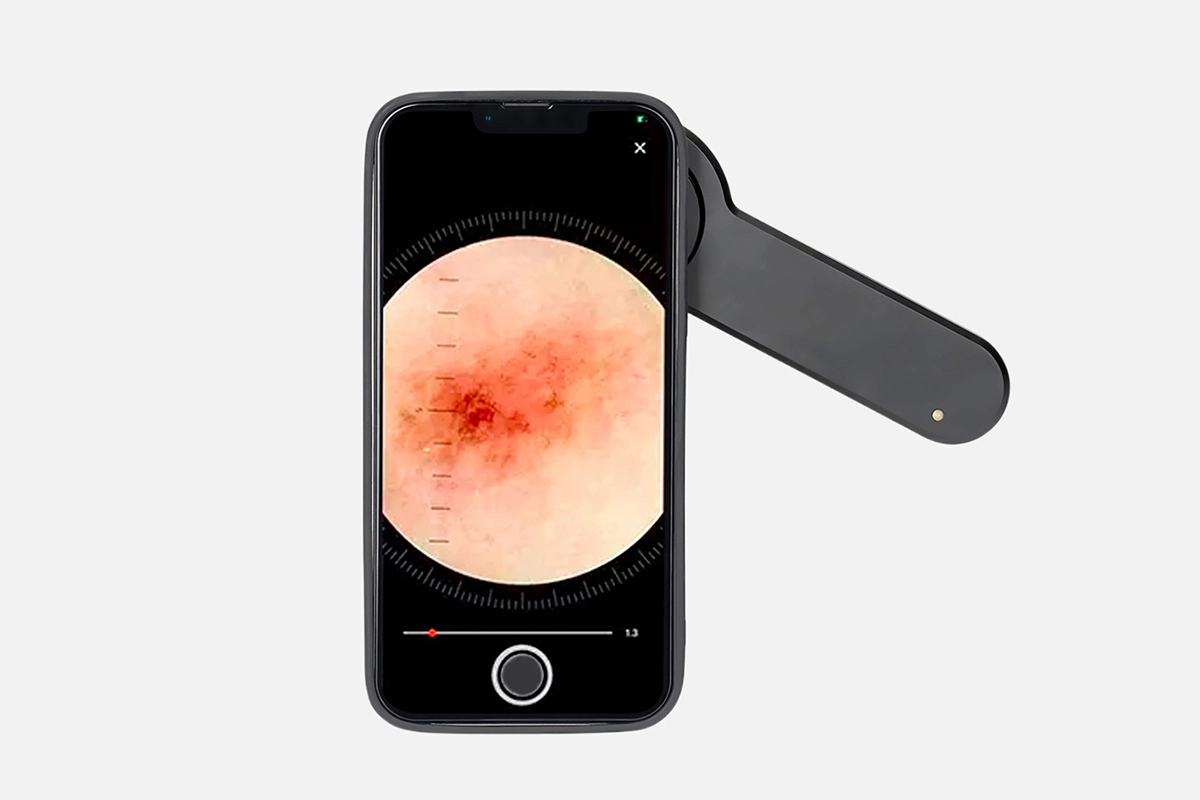
Dermoscopy is only one piece of the entire clinical picture. Lesions should always be immediately scrutinized and reported to a dermatologist. The phone adapter gives the ability to attach to a smartphone and take pictures in 5 seconds.

Durable

The profile is thin, yet rugged, made from our blend of grippy TPU. It looks good, feels good, and protects your phone from up to 10-foot drops.

Durable
You might also like
Reviews

1 review for Case for Samsung

  1. Helikon Medikal

    Vrey firm look

Only logged in customers who have purchased this product may leave a review.

Learn More
Dermatoscope Cover

What Are the Differences Between IBOOLO DE-300, DE-400, and DE-500?

A dermatoscope is a medical optical device designed to visualize skin structures that are not visible to the naked eye. By combining magnification with controlled illumination, a dermatoscope allows clearer…

Skin Conditions Are Most Common in the Autumn COVER

What Skin Conditions Are Most Common in the Autumn?

Autumn is a transitional period characterized by decreasing temperatures, lower humidity, reduced ultraviolet exposure, and changes in daily routines. These environmental shifts affect skin hydration, immune regulation, and the cutaneous…

skin conditions in the spring cover

What Skin Conditions Are Most Common in the Spring?

Spring represents a period of rapid environmental change. Temperature rises, humidity increases, sunlight exposure becomes longer, and airborne allergens such as pollen and mold spores reach their annual peak. These…

Select options This product has multiple variants. The options may be chosen on the product page
0

No products in the cart.

Ask

Have questions on gear or your order?

Our Gear Guides are here to help! Get personal advice from pro creatives

Name
Subject
Email address
How can we help?
Answers

Instant Answers

How can dermoscopy images be captured?

Dermoscopy images can be captured and stored in different ways, such as: • Using a smartphone or tablet with dermoscopic adapter, which consisted in the package.• Using a digital camera

Dermoscopy images can be captured and stored in different ways, such as:

• Using a smartphone or tablet with dermoscopic adapter, which consisted in the package.
• Using a digital camera with dermoscopic adapter, there’s 49mm screw size camera adapter available to order now.

Compatible phone/tablet models:
All iPhone models, 95% Android phones, 90% tablet. For phone/tablet size in 5.25-14mm

Compatible camera models:
All camera with built 49mm filter screw, such as Canon EOS 70D, 80D, 90D; Canon EOS R7, R10, R50, R100; Canon M100, M200, M50, Mark II; Canon G7X Mark III, Sony ZV-1

How can I connect my phone to my dermatoscope?

There’s universal phone adapter for all our dermoscopes. Please check the installation procedure bellow or watch operation guide. Smartphone Connector (1) Place phone adapter screw in the center of smartphone’s

There’s universal phone adapter for all our dermoscopes. Please check the installation procedure bellow or watch operation guide.

Smartphone Connector

(1) Place phone adapter screw in the center of smartphone’s main camera.
(2) Screw magnet attachment on phone adapter.
(3) Put dermoscope’s back ring and magnet attachment together

Take The Best Images

You need to adjust the focus ring after the dermoscpe connected on smartphone to get the best images.

How can I clean my dermoscopy after usage?

Cleaning your dermoscopy after usage is important to prevent cross-contamination and infection. The cleaning method may vary depending on the type and model of your dermoscopy, so you should always

Cleaning your dermoscopy after usage is important to prevent cross-contamination and infection. The cleaning method may vary depending on the type and model of your dermoscopy, so you should always follow the manufacturer’s instructions. However, some general steps are:

• Turn off and disconnect your dermoscopy from any power source or device.

• Wipe off any visible dirt or debris from the dermoscopy with a soft cloth or tissue.

• Disinfect the dermoscopy with an alcohol-based wipe or spray, or a disinfectant solution recommended by the manufacturer. Make sure to cover all surfaces, especially the lens and contact plate.

• Let the dermoscopy air dry completely before storing it in a clean and dry place.

• Do not use abrasive or corrosive cleaners, solvents, or detergents that may damage the dermoscopy.

• Do not immerse the dermoscopy in water or any liquid, unless it is waterproof and designed for immersion.

You should clean your dermoscopy after each use, or at least once a day if you use it frequently. You should also check your dermoscopy regularly for any signs of damage or malfunction, and contact the manufacturer or service provider if needed.

Polarized VS Non-polarized Dermoscopy

A dermoscopy is a device that allows the examination of skin lesions with magnificationand illumination. By revealing subsurface structures and patterns that are not visible tothe naked eye. It can

A dermoscopy is a device that allows the examination of skin lesions with magnificationand illumination. By revealing subsurface structures and patterns that are not visible tothe naked eye. It can improve the diagnose accuracy of skin lesions, such as melanoma,basal cell carcinoma, seborrheic keratosis, etc.

There are two main types of dermoscopy: Non polarized and polarized dermoscopy.We’ve fitted most of our dermoscopys with polarized and non-polarized light. They canbe used in multiple skin structures.

Non-polarized contact Mode

In non-polarized mode, the instrument can provide information about the superficialskin structures, such as milia-like cysts, comedo-like openings, and pigment in theepidemis.

The dermoscopy requires applying a liquid such as mineral oil or alcohol to the skin andplacing the lens in contact with the skin. This reduces surface reflection and enhancesthe view of subsurface structures.

Image with non-polarized light (DE-3100)

Polarized contact Mode

In polarized mode, the instrument allows for visualization for deeper skin structures,such as blood vessels, collagen, and pigment in the dermis.

The dermoscopy does not need to be in contact with the skin or use any liquid. Theirpolarized light can help to eliminate surface reflection and allow visualization ofvascular structures.

Image with polarized light (DE-3100)

Polarized non-contact Mode

The dermoscopy can also use polarized light to examine the skin without direct contact.

In polarized non-contact mode, the instrument allows for examination infected areasand lesions that are painful for the patient, or the difficult to contact pigmented lesions,such as nails and narrow areas.

The contact plate should be removed in this mode, and it does not require applying aliquid to the skin. As it doesn’t require pressure or fluid application on the skin, it canalso avoid cross-contamination and infection risk.

Image in polarized non-contact mode (DE-3100)

How effectiveness is dermoscopy

Compared with visual inspection, the dermoscopy can be used to capture and store skin lesion photos, which play an important role in early skin cancer examination. The dermoscopy allows the

Compared with visual inspection, the dermoscopy can be used to capture and store skin lesion photos, which play an important role in early skin cancer examination.

The dermoscopy allows the examination of skin lesions with magnification and illumination. This can be greatly avoiding the factors that cause interference to visual detection. Such as lighting, skin color, hair and cosmetics.

Several studies have demonstrated that dermoscopy is useful in the identification of melanoma, when used by a trained professional.

It may improve the accuracy of clinical diagnosis by up to 35%
It may reduce the number of harmless lesions that are removed
In primary care, it may increase the referral of more worrisome lesions and reduce the referral of more trivial ones

A 2018 Cochrane meta-analysis published the accuracy of dermoscopy in the detection.

Table 1. Accuracy of dermoscopy in the detection of melanoma in adults
Detection Method Sensitivity, % Specificity, % Positive Likelihood Ratio NegativeLikelihood Ratio
Visual inspection alone (in person) 76 75 3.04 0.32
Dermoscopy with visual inspection (in person) 92 95 18 0.08
Image-based visual inspection alone (not in person) 47 42 0.81 1.3
Dermoscopy with image-based visual inspection (not in person) 81 82 4.5 0.23
ROC—receiver operating characteristic. *Estimated sensitivity calculated on the summary ROC curve at a fixed specificity of 80%.

As we can see, the dermoscope can improve the accuracy of diagnosis of skin lesions, especially melanoma.

Table 1. Accuracy of dermoscopy in the detection of melanoma in adults
Detection Method Sensitivity, % Specificity, % Positive Likelihood Ratio NegativeLikelihood Ratio
Visual inspection alone (in person) 79 77 3.4 0.27
Dermoscopy with visual inspection (in person) 93 99 93 0.07
Image-based visual inspection alone (not in person) 85 87 6.5 0.17
Dermoscopy with image-based visual inspection (not in person) 93 96 23 0.07
ROC—receiver operating characteristic. *Estimated sensitivity calculated on the summary ROC curve at a fixed specificity of 80%.

Characteristics of the dermatoscopic structure of the skin lesions include:

• Symmetry or asymmetry
• Homogeny/uniformity (sameness) or heterogeny (structural differences across the lesion)
• Distribution of pigment: brown lines, dots, clods and structureless areas
• Skin surface keratin: small white cysts, crypts, fissures
• Vascular morphology and pattern: regular or irregular
• Border of the lesion: fading, sharply cut off or radial streaks
• Presence of ulceration

There are specific dermoscopic patterns that aid in the diagnosis of the following pigmented skin lesions:

• Melanoma
• Moles (benign melanocytic naevus)
• Freckles (lentigos)
• Atypical naevi
• Blue naevi
• Seborrhoeic keratosis
• Pigmented basal cell carcinoma
• Haemangioma

We use cookies on this website to provide a better user experience. By continuing to browse the website, you are giving your consent to receive cookies on this site. For more details please read our Privacy Policy.

Hot Search Terms