





Global Portable Dermatoscope Market Dynamics and Strategic Wholesale Supplier Solutions
The dermatology landscape is undergoing a paradigm shift as diagnostic tools transition from stationary, high-cost units to versatile, smartphone-integrated systems. This evolution in the portable dermatoscope market is driven by the urgent need for early skin cancer detection and the rapid expansion of teledermatology services across North America and Europe. As a specialized wholesale dermatoscope supplier, IBOOLO is at the center of this transformation, providing medical-grade optical hardware that bridges the gap between traditional clinical examinations and modern digital health requirements.
The Evolution of the Portable Dermatoscope Market: 2026 Strategic Outlook
The global portable dermatoscope market is no longer a niche segment of medical imaging; it is now a primary driver of dermatological innovation. Recent data indicates a robust growth trajectory, influenced by the rising incidence of melanoma and non-melanoma skin cancers. Healthcare providers are increasingly seeking devices that offer the same optical fidelity as desktop systems but with the flexibility of a handheld form factor.
Key Market Drivers in North America
In the United States, the market expansion is significantly propelled by teledermatology reimbursement policies. With updated CPT codes for remote physiological monitoring and asynchronous image evaluation, practitioners are incentivized to utilize high-quality electronic dermatoscopes. This has created a surge in demand for devices like the DE-400, which can capture clinical-grade images suitable for remote diagnostic billing.
Technological Convergence: Optics and AI
A significant trend within the portable dermatoscope market is the integration of artificial intelligence and machine learning. Modern devices are expected to serve as the hardware gateway for software-based lesion analysis. This requires lenses with exceptional clarity and color rendering (CRI), ensuring that the data fed into AI algorithms is accurate and standardized. IBOOLO’s commitment to optical precision ensures that our hardware remains compatible with the next generation of diagnostic software.
Why IBOOLO is the Preferred Wholesale Dermatoscope Supplier for Global Distributors
Navigating the medical device supply chain requires a partner who understands both engineering excellence and regulatory compliance. As a premier wholesale dermatoscope supplier, IBOOLO has built a reputation on transparency, quality control, and scalable manufacturing capabilities. We support a diverse clientele, ranging from large-scale hospital procurement departments to specialized medical equipment distributors.
Regulatory Compliance and Quality Assurance
The foundation of any successful partnership with a wholesale dermatoscope supplier is trust in the product’s safety and efficacy. IBOOLO operates under the ISO 13485 quality management system, ensuring that every unit produced meets the stringent requirements for medical devices. Our products are FDA registered and CE marked, facilitating smooth market entry for our international partners. We provide comprehensive documentation, including MSDS and Declaration of Conformity (DoC), to streamline the importation process for our B2B clients.
B2B Services: OEM, ODM, and Bulk Distribution
Recognizing the diverse needs of the portable dermatoscope market, we offer flexible business models. Whether you are looking to launch a private-label diagnostic tool or require high-volume inventory for a national health initiative, our factory is equipped to handle your requirements. Our OEM services include custom branding, specialized optical configurations, and tailored packaging solutions, allowing our partners to differentiate themselves in a competitive marketplace.
Technical Spotlight: The IBOOLO DE-400 Professional Dermatoscope
The DE-400 is engineered to meet the highest standards of the portable dermatoscope market. By combining high-performance optics with a user-friendly smartphone interface, it provides a powerful tool for both specialized dermatologists and general practitioners.
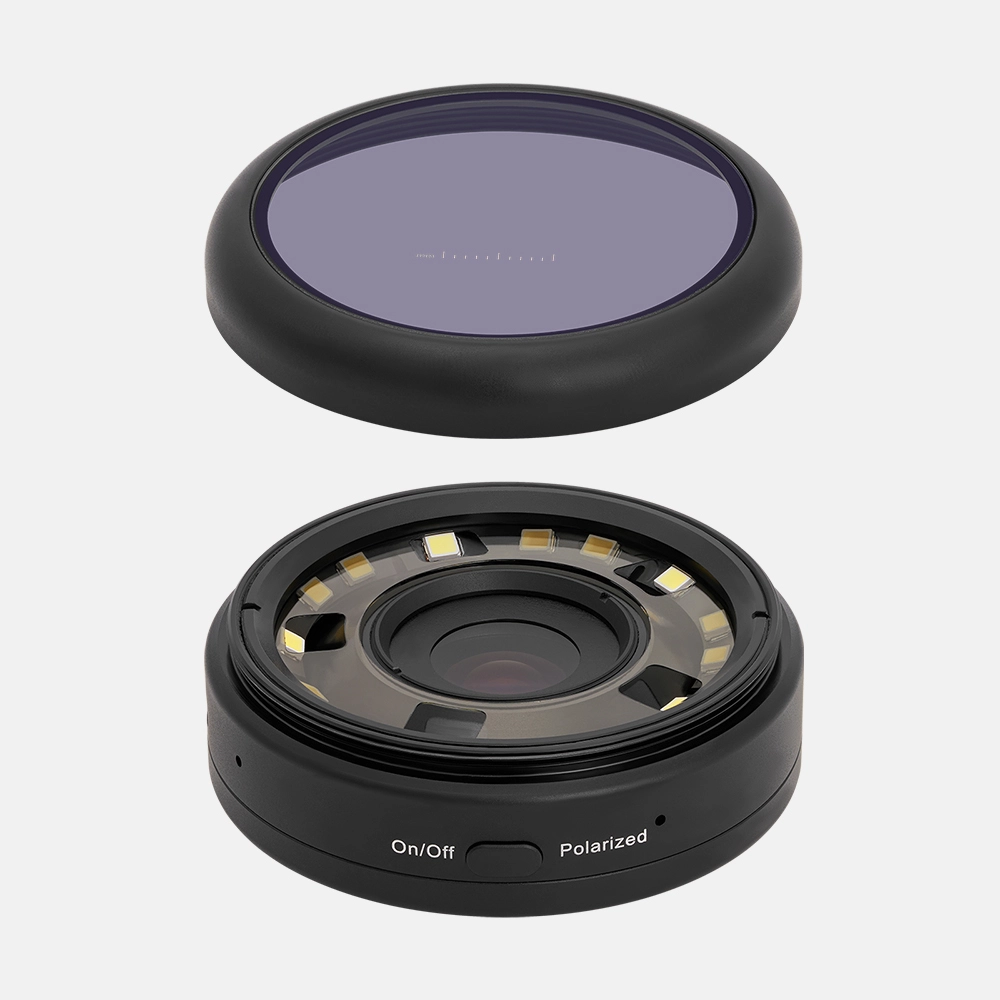
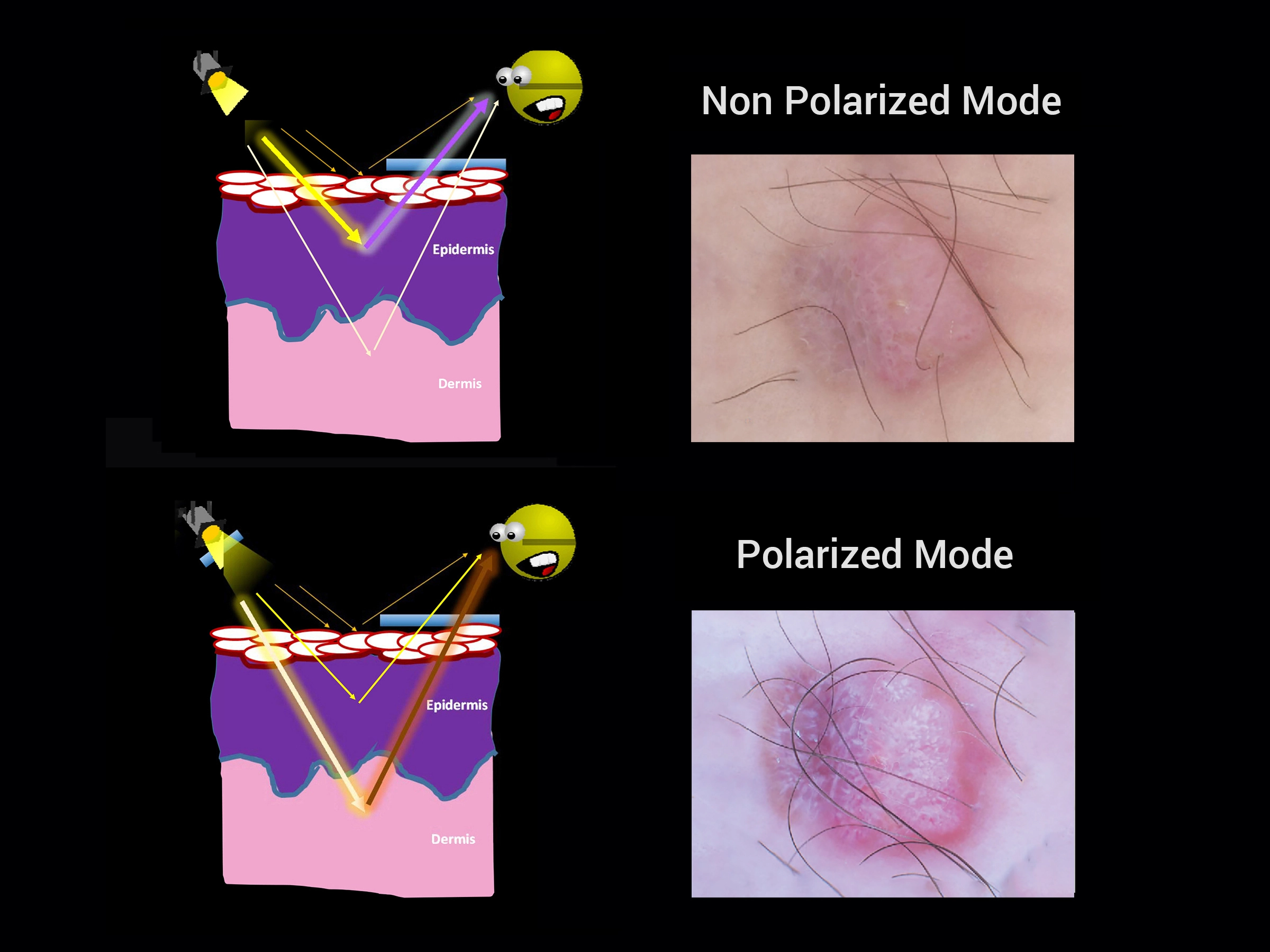
- Cross-Polarization Excellence: The DE-400 utilizes a sophisticated polarized lighting system that eliminates surface glare, allowing for the clear visualization of the dermo-epidermal junction and deeper vascular patterns.
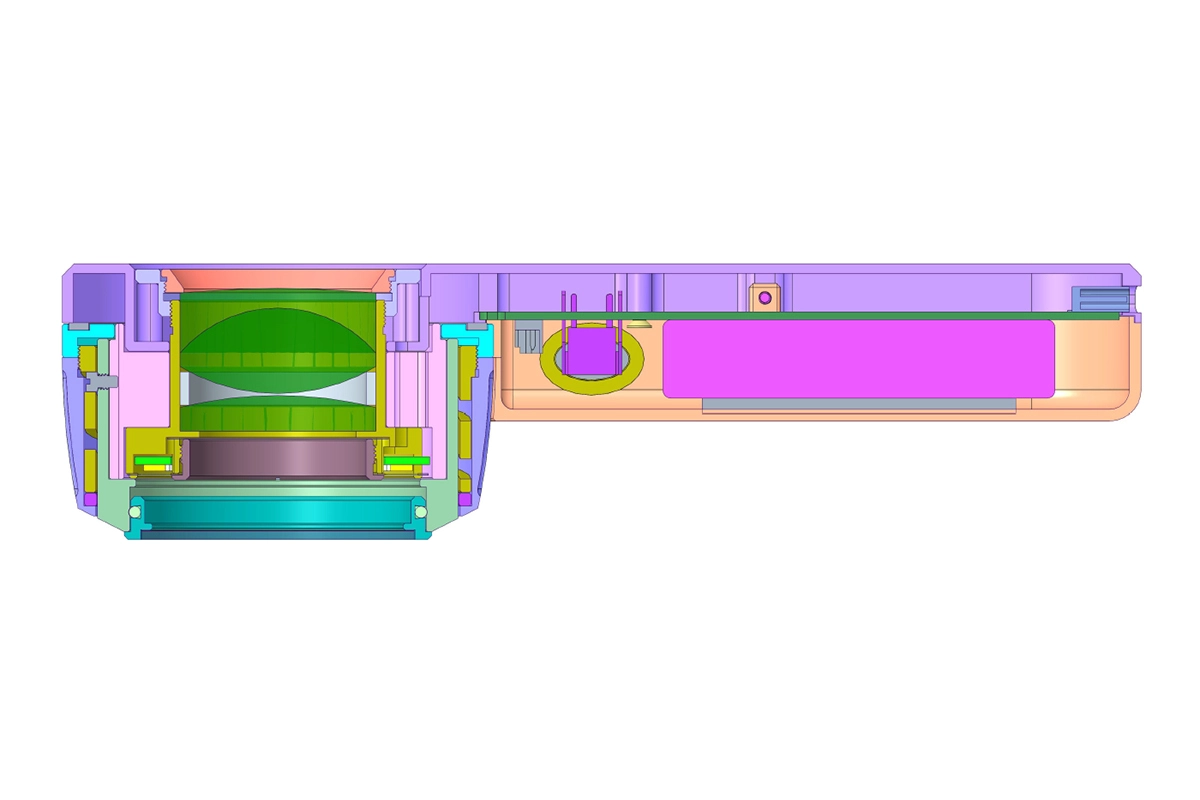
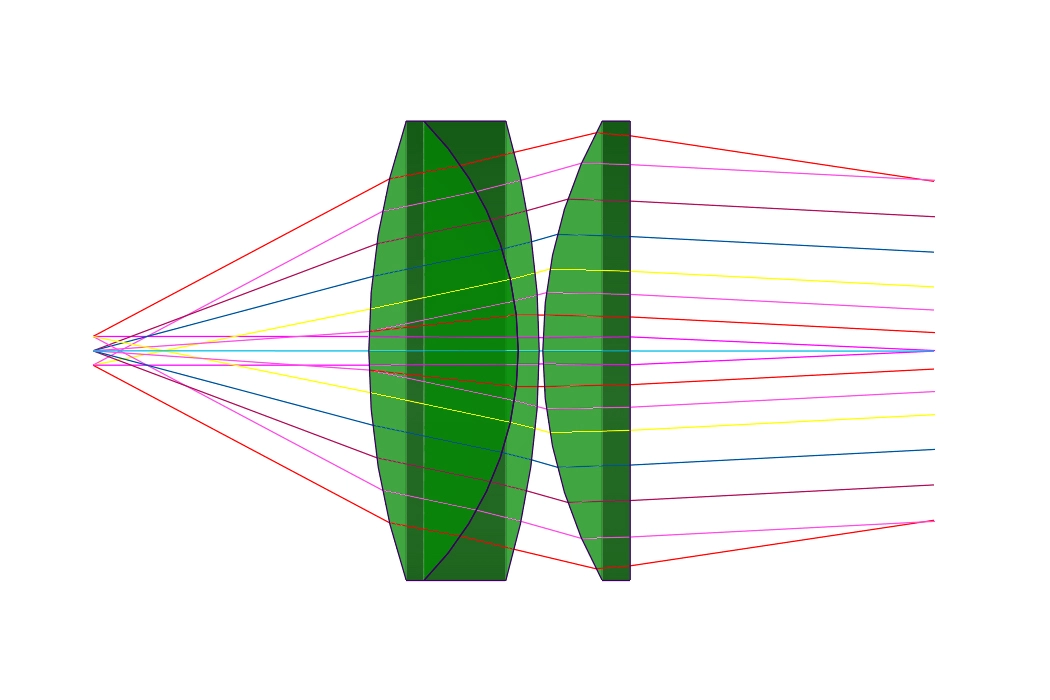
- Optical Precision: Featuring 4 elements in 3 groups of premium optical glass, the device provides 10X magnification with minimal chromatic aberration and peripheral distortion.
- Durability and Portability: Constructed from high-grade aluminum and lightweight optics, the DE-400 is designed for the rigors of a busy clinical environment while remaining compact enough for home visits and mobile clinics.
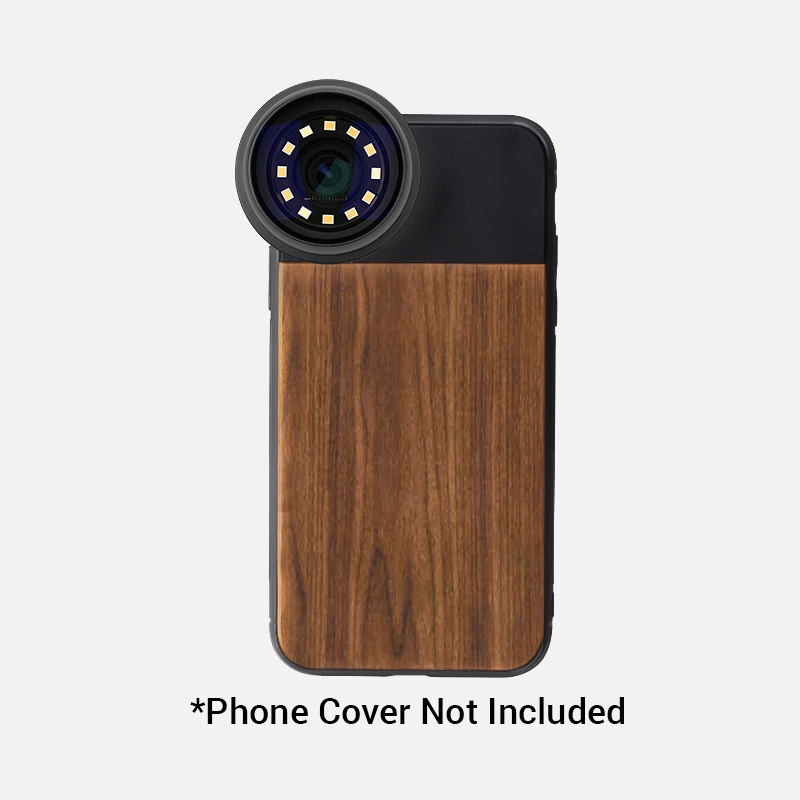
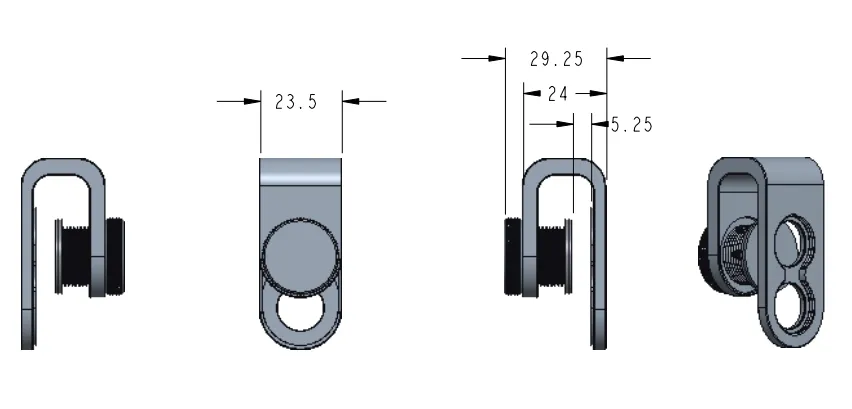
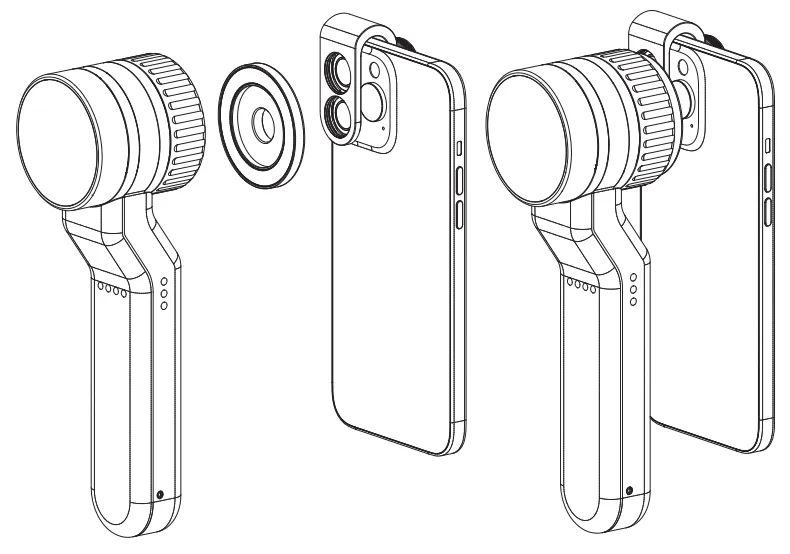
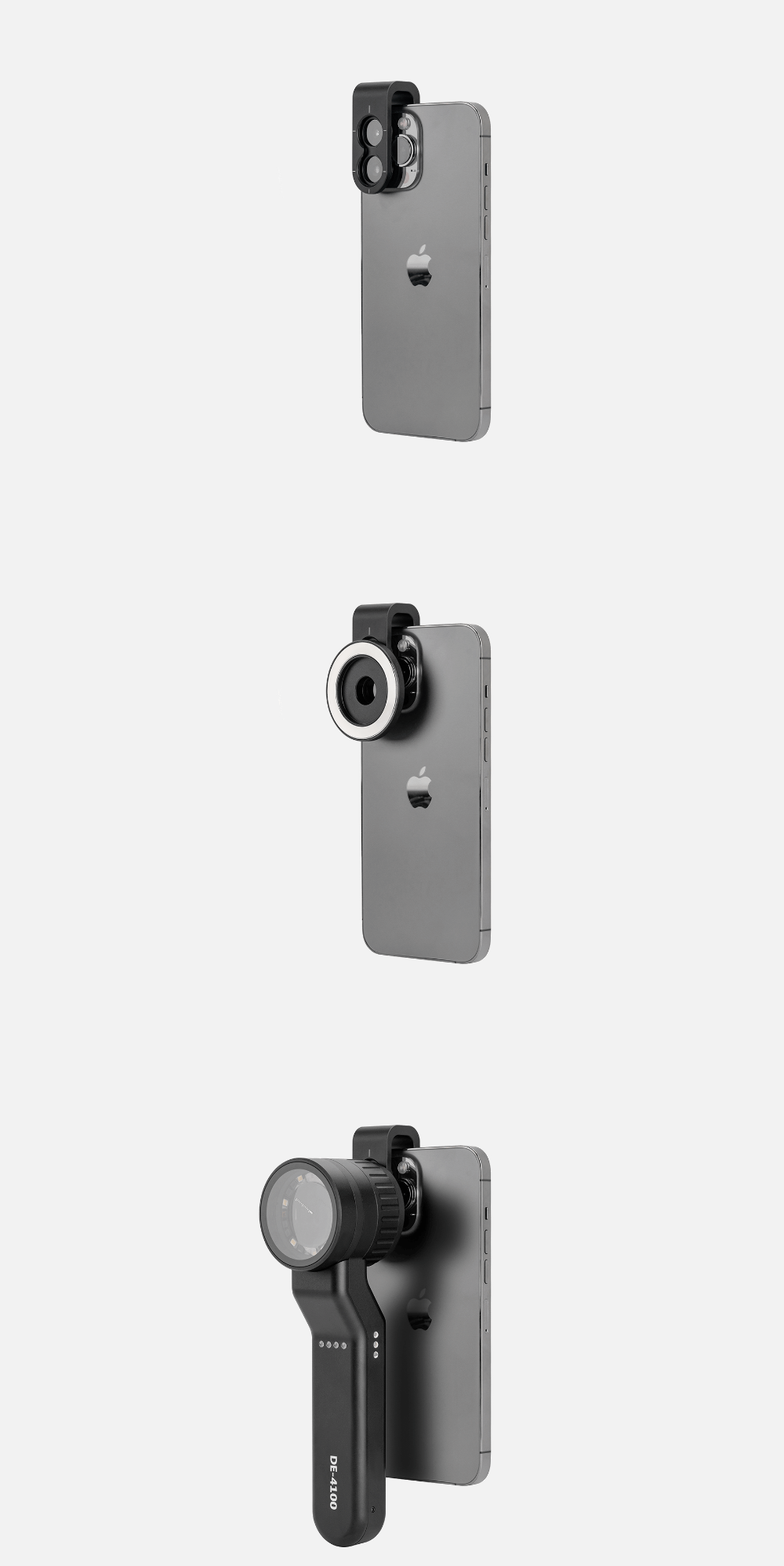
- Universal Integration: Our proprietary adapter system ensures the DE-400 fits securely on almost any smartphone lens, making it a versatile asset in teledermatology workflows.
Comparative Analysis and Specifications
To assist our wholesale partners in making informed procurement decisions, we provide detailed technical specifications that highlight the DE-400’s position in the current market.
| Specification | DE-400 Detail |
|---|---|
| Optical Design | 4 Elements, 3 Groups (Multi-coated) |
| Magnification | 10X Optical |
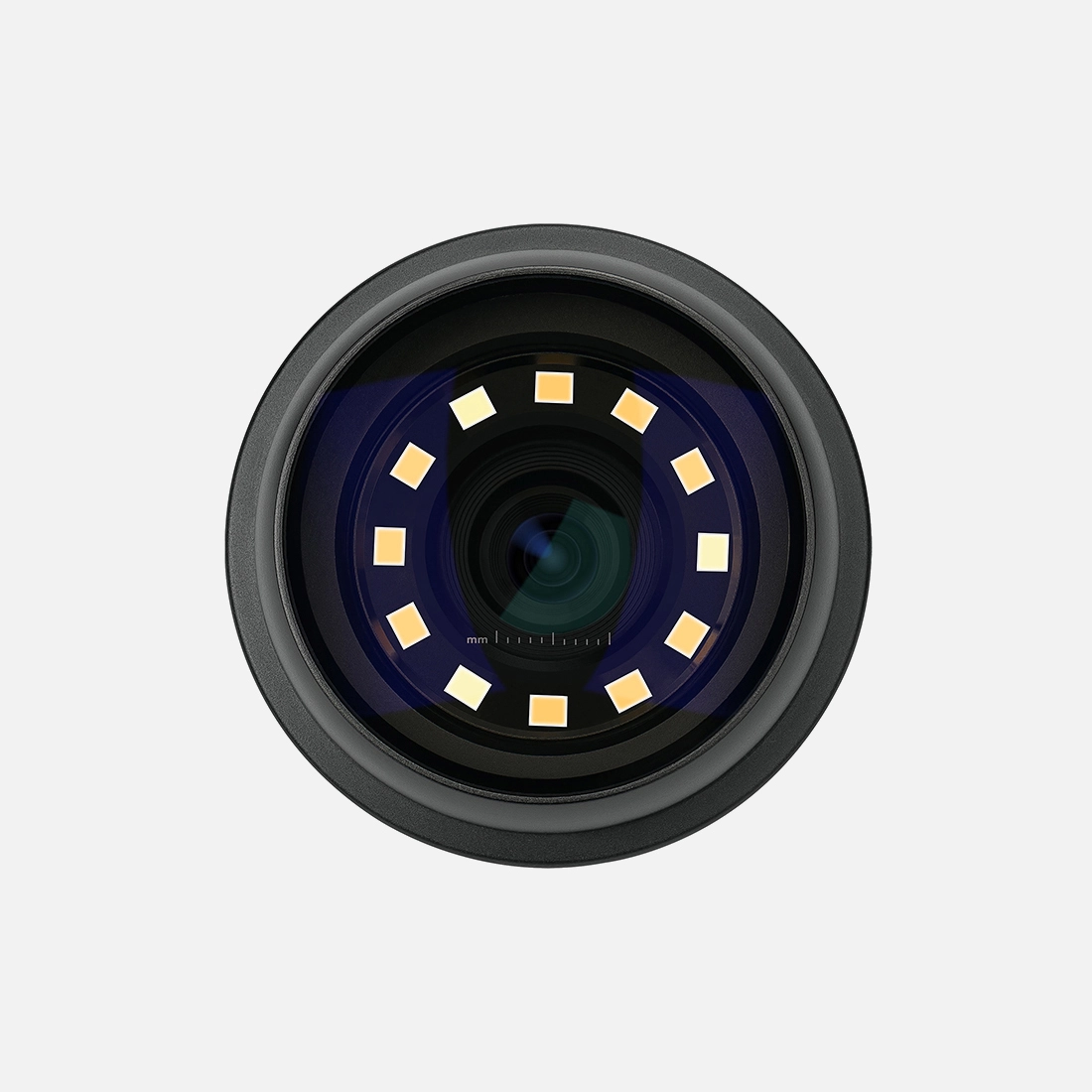
| Illumination | 12 High-CRI LEDs (Polarized/Non-Polarized) |
| Battery Life | Approx. 2 hours of continuous use |
| Charging Port | USB-C |
| Certification | FDA, ISO 13485, CE, RoHS |
The Future of Skin Diagnostics: Collaboration and Growth
The portable dermatoscope market will continue to grow as diagnostic technology becomes more decentralized and accessible. IBOOLO remains committed to being more than just a wholesale dermatoscope supplier; we are an innovation partner dedicated to improving patient outcomes through better visualization. By reducing the cost of high-end optics without compromising quality, we enable healthcare systems worldwide to implement more effective skin cancer screening programs.
Our research and development team is constantly exploring new lighting frequencies, including UV and amber light modes, to further expand the diagnostic capabilities of our handheld devices. As the market matures, IBOOLO will continue to provide the scalable solutions required by modern medical distributors and healthcare institutions.
Frequently Asked Questions for B2B Partners
What is the typical lead time for wholesale dermatoscope orders?
Lead times vary based on order volume and customization requirements. Standard inventory orders typically ship within 5-7 business days, while custom OEM orders may require 3-4 weeks for production and quality testing.
How does IBOOLO support teledermatology integration?
As a key player in the portable dermatoscope market, we design our hardware to be platform-agnostic. The high-resolution images captured by the DE-400 are compatible with all major teledermatology software suites and EMR systems.
Do you provide marketing support for regional distributors?
Yes. As your wholesale dermatoscope supplier, we provide high-resolution product imagery, technical data sheets, and clinical case studies to help our partners effectively communicate the value of IBOOLO products to their local markets.
Are your products compliant with US medical device regulations?
Absolutely. All IBOOLO dermatoscopes intended for the US market are FDA registered, and our manufacturing processes adhere to the strict ISO 13485 standards required for medical-grade equipment.
Recommended reading
Dermascope vs Dermatoscope: Surpassing the Magnifying Glass - IBOOLO
IBOOLO: Dermascopes vs. Dermatoscopes - Surpassing the Limitations of the Magnifying Glass to Enable Precise Skin Evaluations and Enhanced Patient Outcomes
Wholesale Back-up Battery for DE-4100 supplier & manufacturer – IBOOLO
IBOOLO is a Wholesale Back-up Battery for DE-4100 supplier & manufacturer. Information for Back-up Battery for DE-4100: Back-up Battery for DE-4100 Dermatoscope...
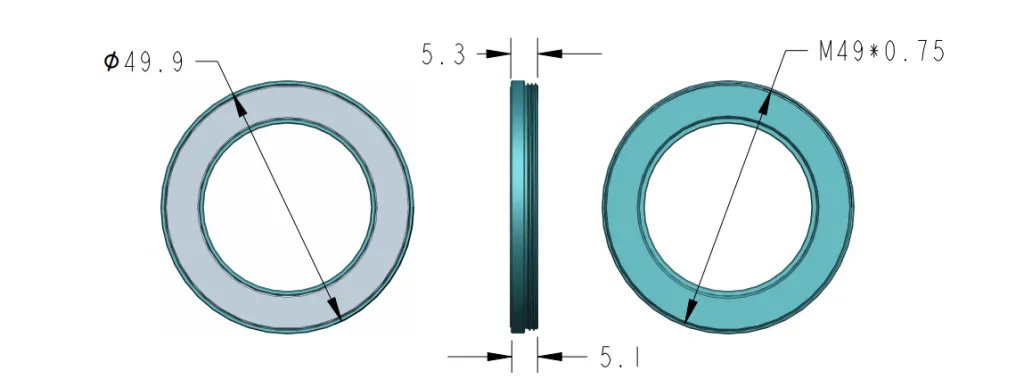
Top Magnetic Ring for DE-4100 supplier & factory – IBOOLO
IBOOLO is a Top Magnetic Ring for DE-4100 supplier & factory. Information for Magnetic Ring for DE-4100: Magnetic Ring Adapter for DE-4100...
Smartphone Polarized DE-400 Dermatoscope
Smartphone Polarized DE-400 Dermatoscope
$179.00
-
In Stock
-
Arrive in 5-7 days
-
Free Shipping Worldwide $59+
-
2 Years Warranty
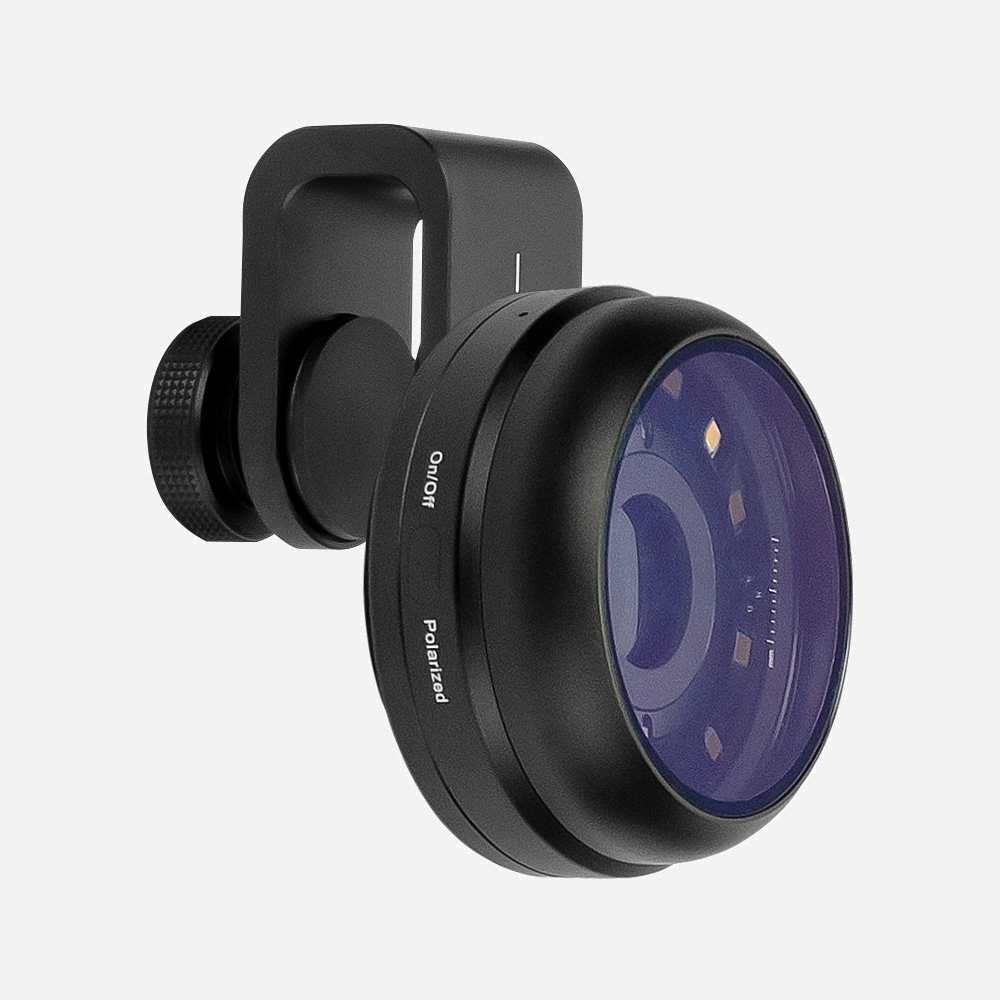
- 10 x Magnification
- 45mm wide field of view (Aperture)
- Polarized and non-polarized light
- Detachable protective glass
- Automatic shutdown
- Universal Phone Adapter
- 10-15mm Close Focus
- All-metal housing
| Material | Aluminum & Glass |
| Optical Design | All glass, 4 elements 3 groups, anti-reflection coating |
| Lens Diameter | 45mm(front); 15mm(rear) |
| Magnification | 10x |
| Distortion | 5% |
| Polarization | Cross Polarization |
| Resolution | 300 LP/MM (Axis) 250 LP/MM (Edges) |
| LED | 15 LEDs, 10 polarization, 5 non polarization |
| Battery Capacity | 230mAh Lithium ion |
| Charging | USB-C |
| Working Time | 60 minutes |
| Focus Distance | 10mm |
| Dimension | Φ58.5mm*H26.5mm |
| Weight | 68.5g |
$179.00
-
In Stock
-
Arrive in 5-7 days
-
Free Shipping Worldwide $59+
-
2 Years Warranty
-

CE Certificated
Related documents & accessories


-
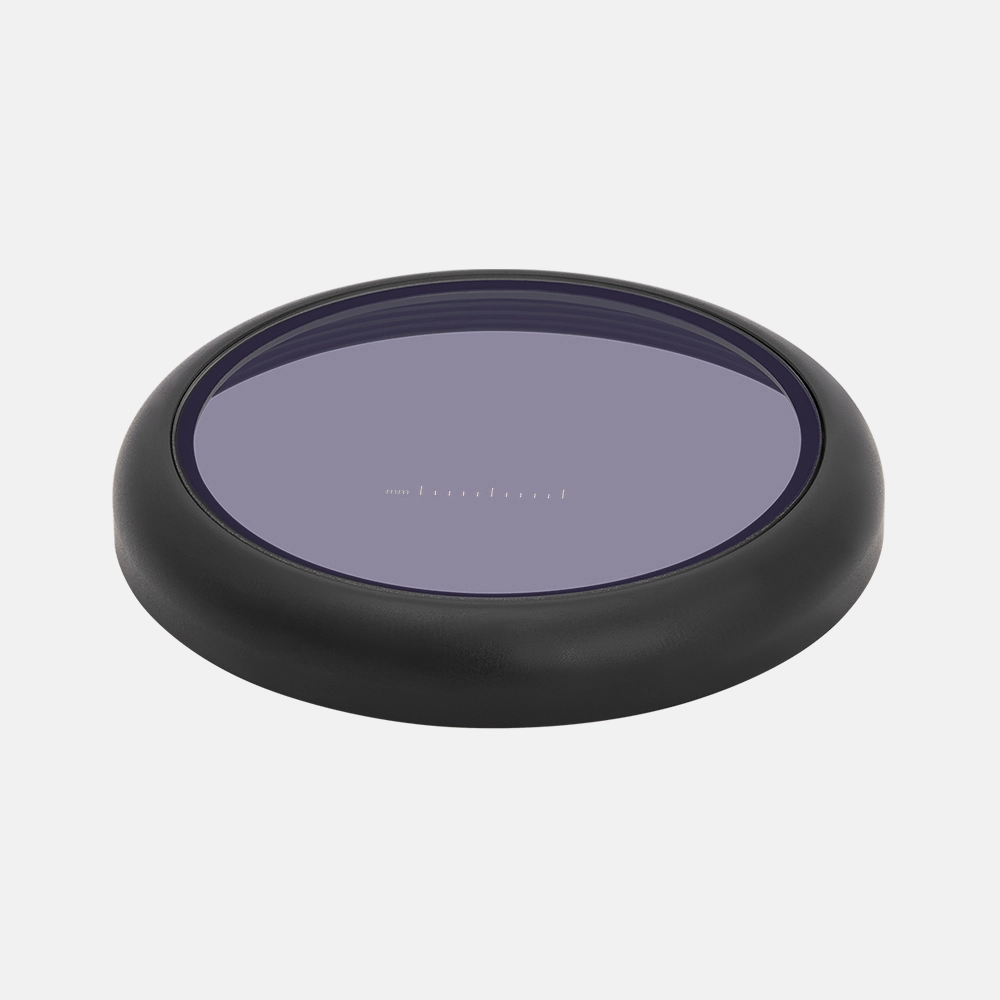
Contact Lens for DE-400
$15.00
-
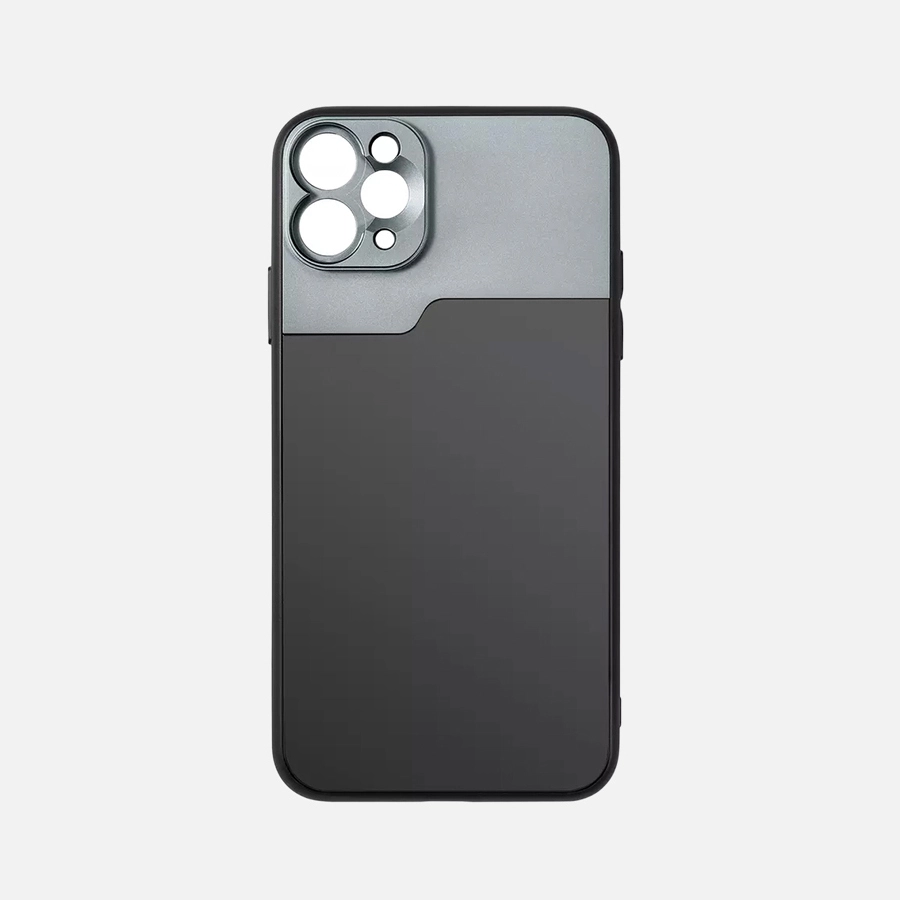
Case for iPhone
$15.90
-
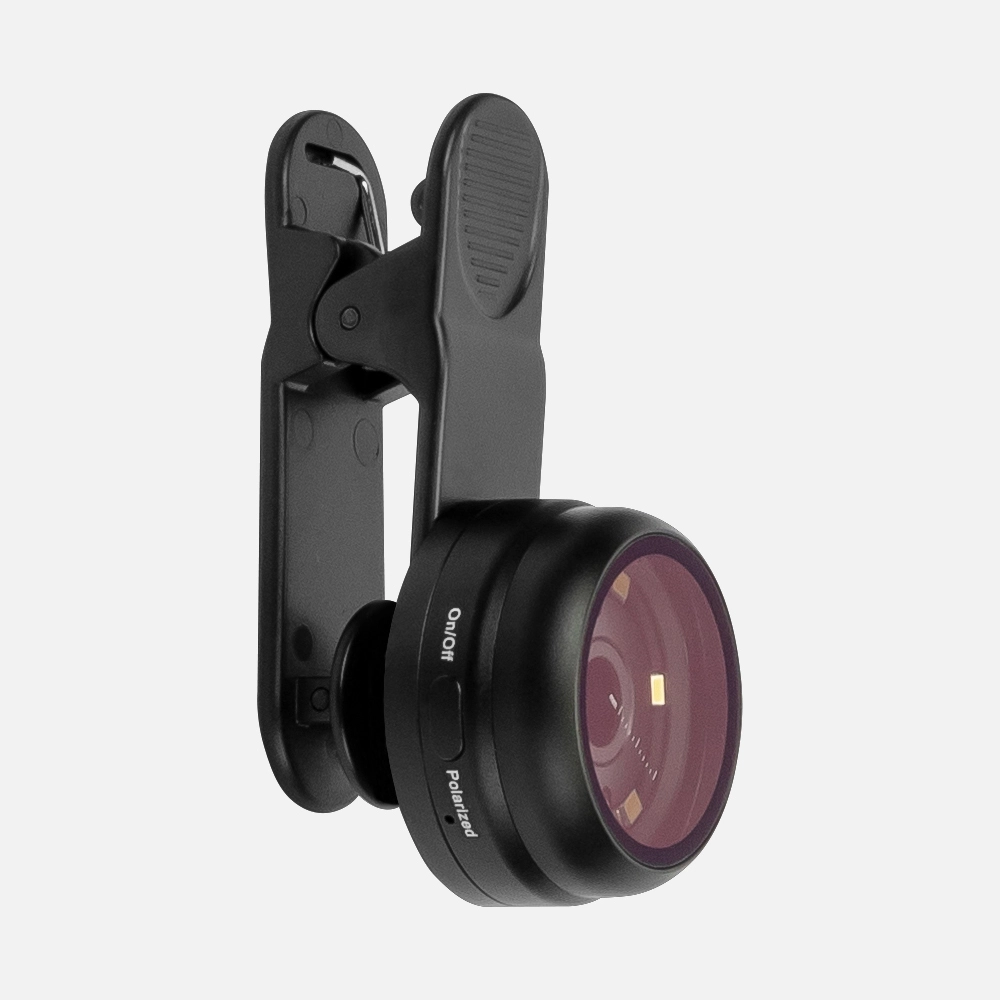
DE-300 Dermatoscope
$109.00
Related documents & accessories
What It Has
- Cross Polarized Light: The polarized filter plays the same role as immersion fluid to absorb the surface light reflection. It allows dermis visualizable.
- 10X Magnification: Low distortion optical 10x magnify
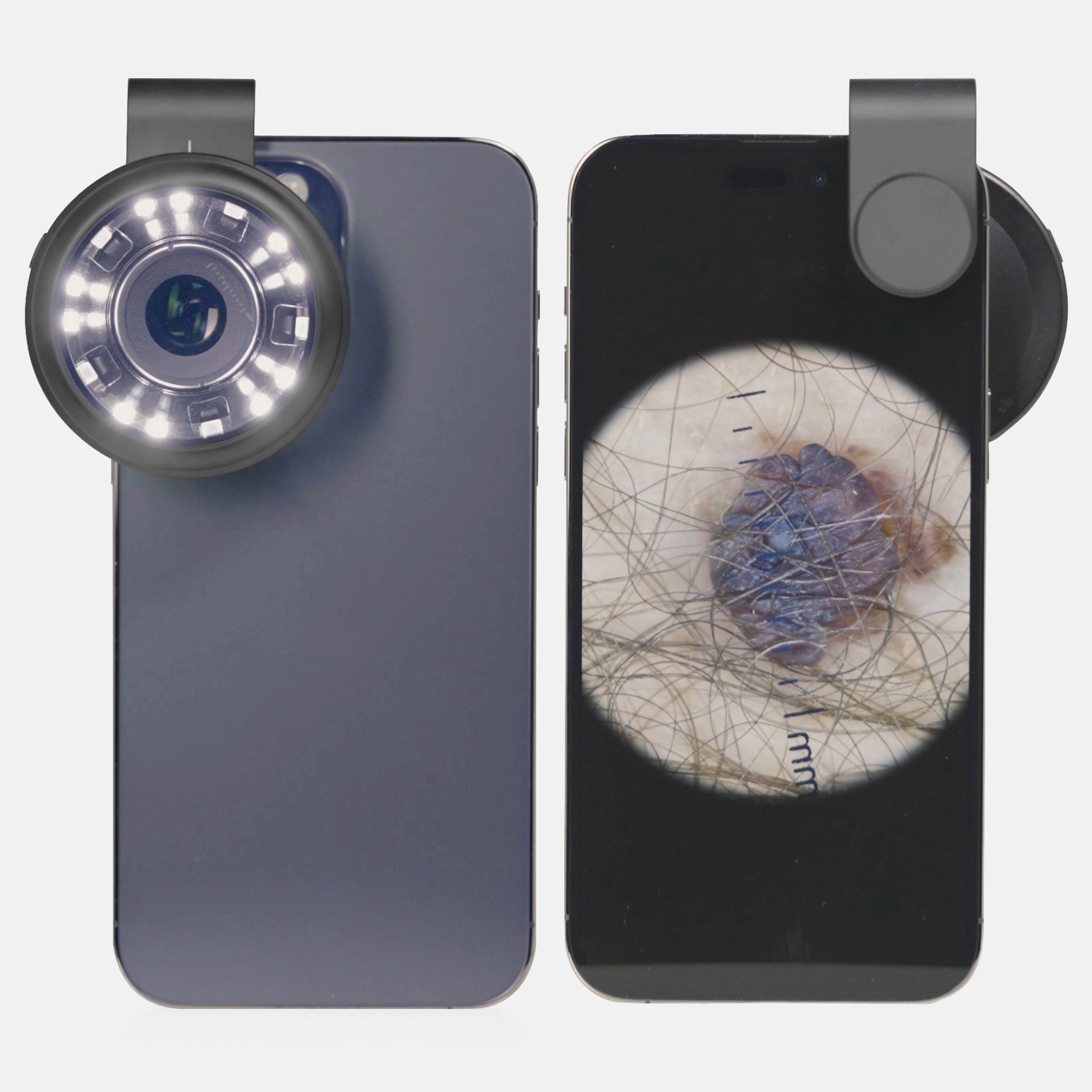
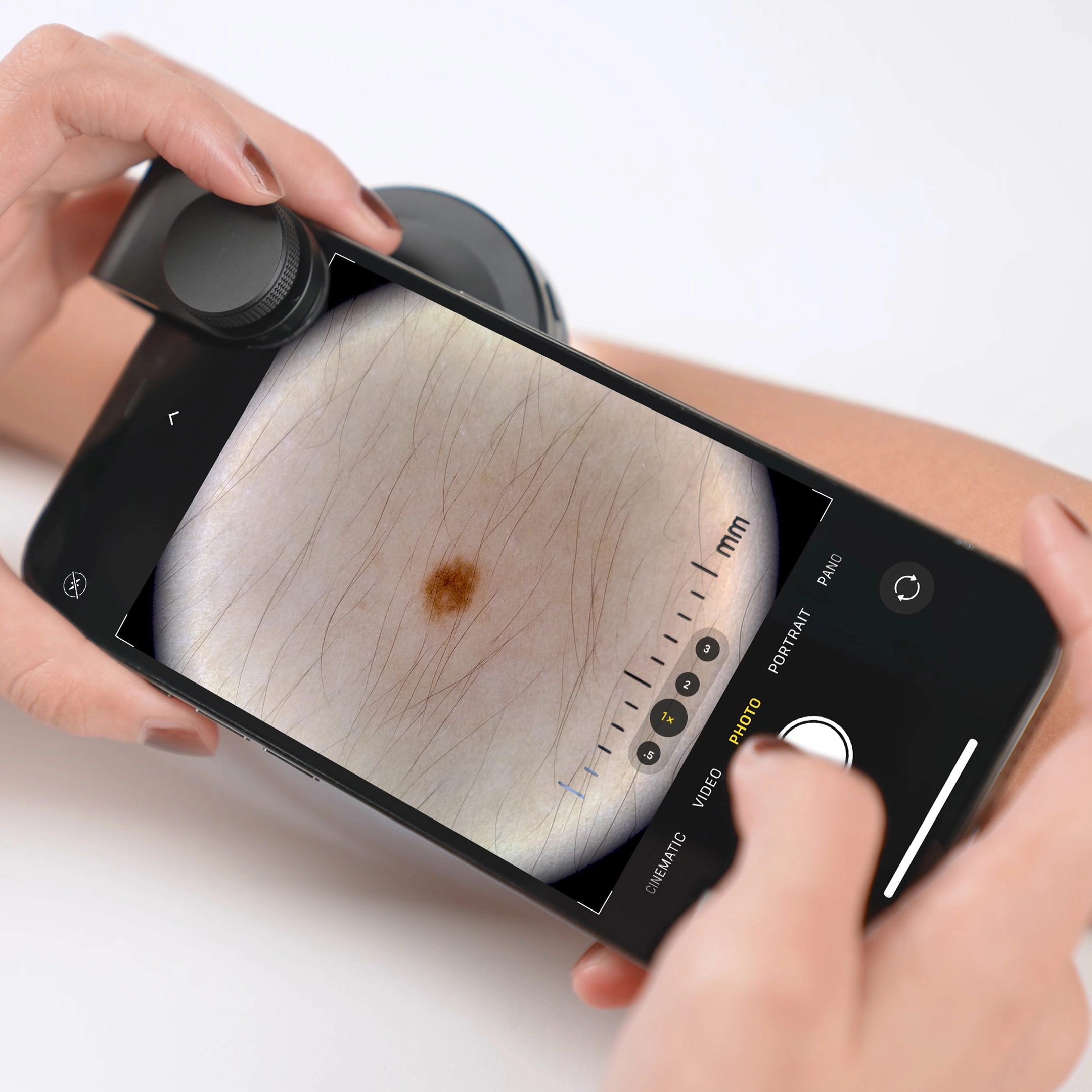
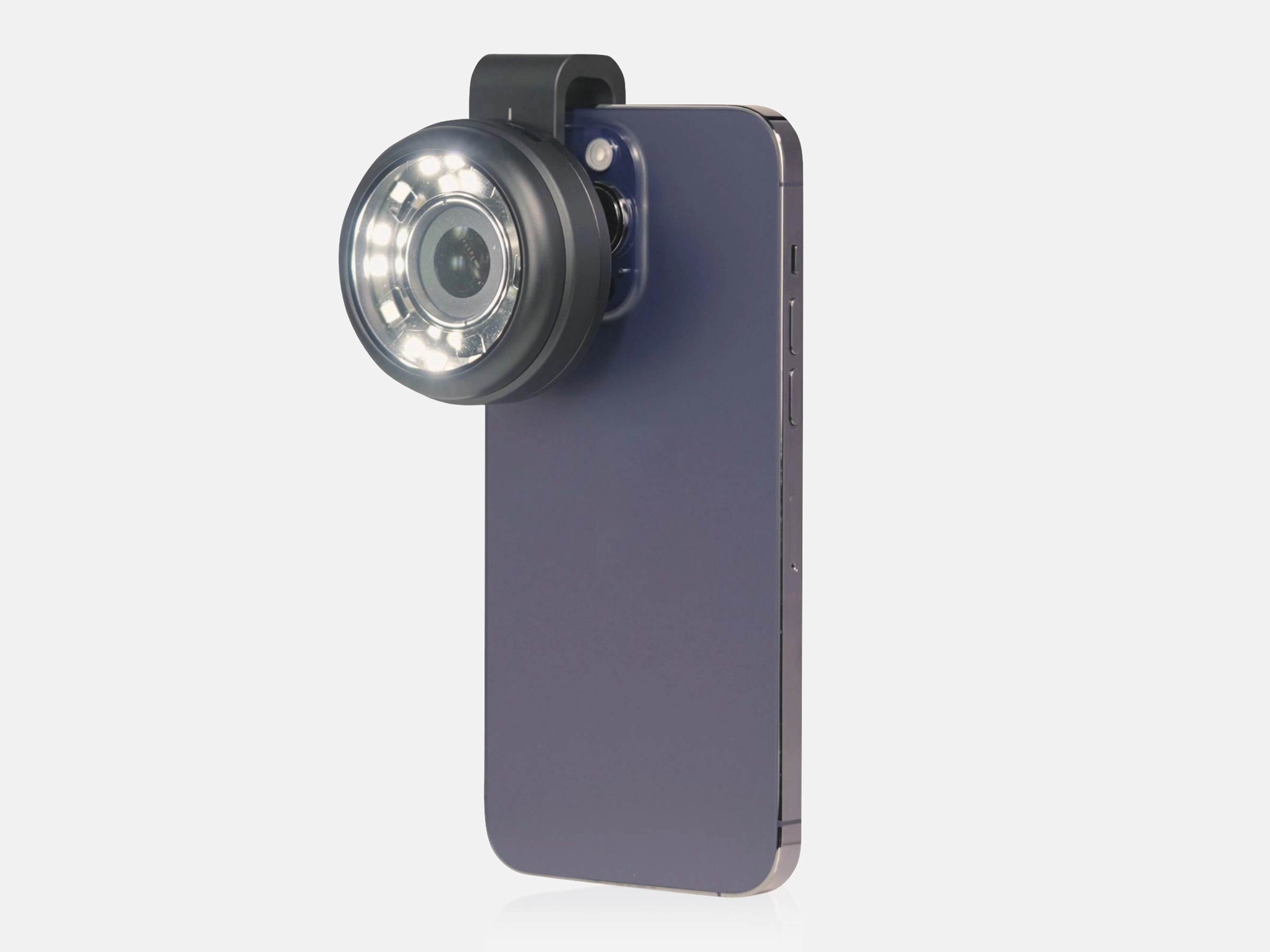
- Universal Lens Mount: The universal lens mount gives the ability to attach dermoscopy on any smartphone or tablet and take pictures, so the lesions can be captured and scrutinized
What It Does
- Photograph: Yes
- Video: Yes
- Rechargeable: Yes
- Polarization: Yes
- Non-Polarization: Yes
- Detachable Protective Glass: Yes
Specs
- Material:Optics & Aluminum
- Optical Design:4Elements 4 Group
- Magnification:10X
- Lens Diameter:20mm
- Polarization:Polarized& Non-Polarized
- Battery Capacity:200mAh
- Charging:USB-C
- Dimension:Φ58.5mm*H30mm
- Weight:62g
How to Use
Check out our step-by step quick start guide of the device.
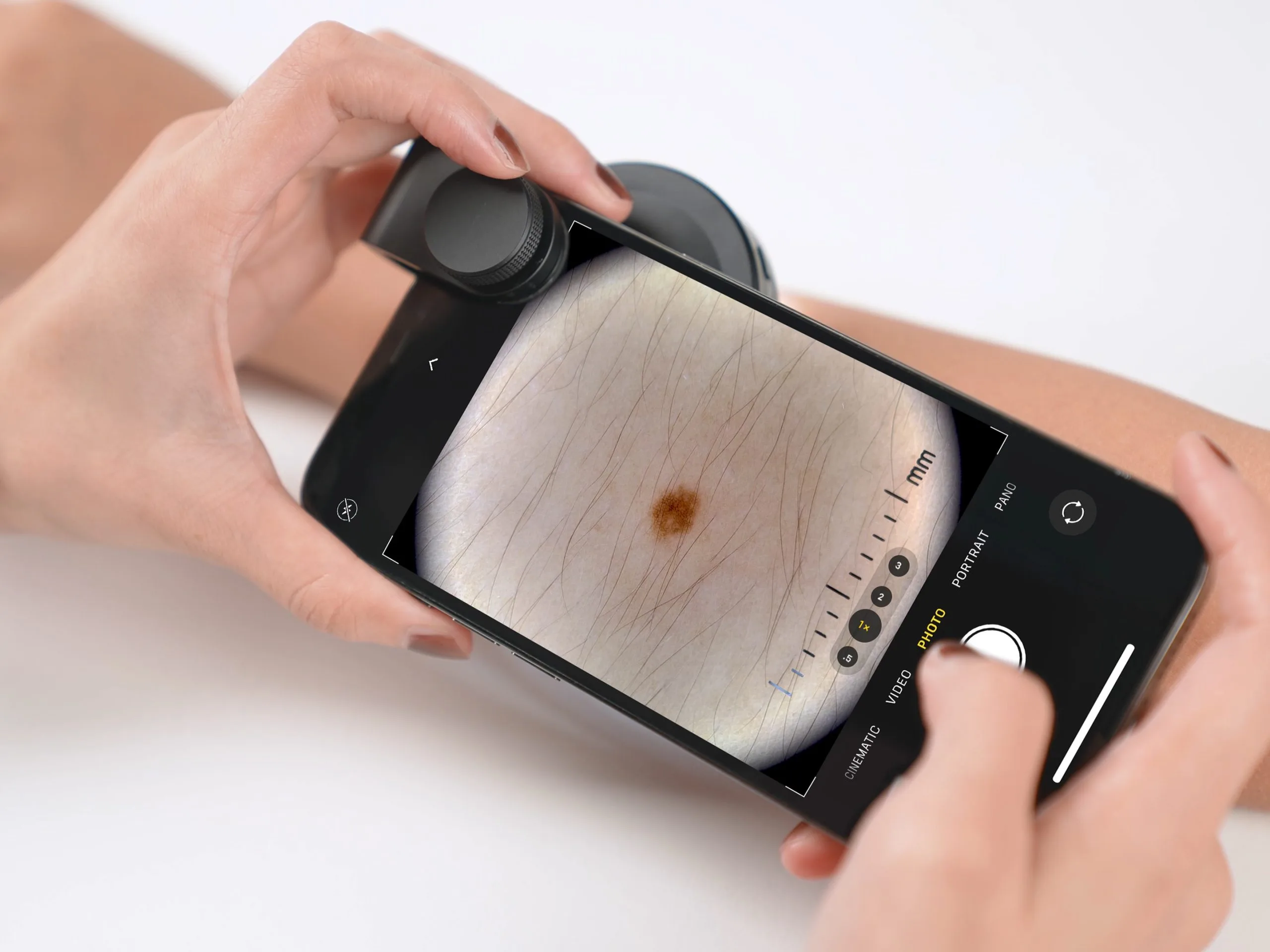
What Makes it Unique
It contains a universal phone adapter meaning convenient to connect with any smartphone or tablet to capture images. With its specialized polarized and non-polarized light system, it allows for clearer, more precise, and detailed examination of the colors, shapes, and textures of skin lesions.
Why Choose IBOOLO DE-400 Dermatoscope
Sharp & Precise
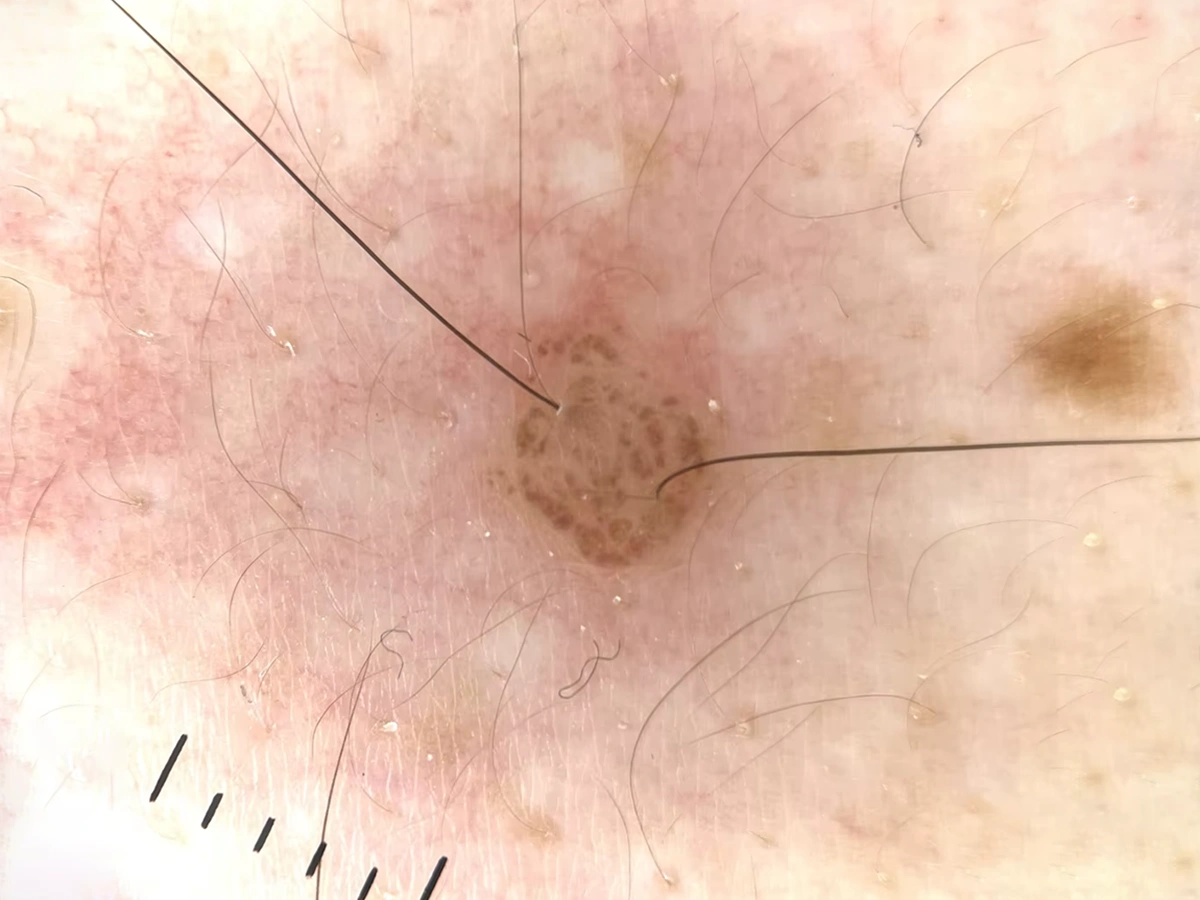
Sharp & Precise
Made from premium multi-coated and multi-element optics, with improved optical and lighting system, the DE-400 has higher clarity and better mobile phone compatibility compared with DE-300.
Polarized & Non-Polarized
The polarized light can help to eliminate surface reflection and allow visualization of vascular structures. The instrument allows for visualization for deeper skin structures, such as blood vessels, collagen, and pigment in the dermis.
Polarized & Non-Polarized
Pro-Level Features
Pro-Level Features
Low distortion
Minimize lens distortion to 5%, better than any dermatoscope in its class.
Compatibility
Equipe with universal phone adapter, compatible with 99% smartphone.
Excellent colour rendering
Ensures colors of skin lesions appear natural, allowing dermatologists to see subtle nuances that could indicate disease.
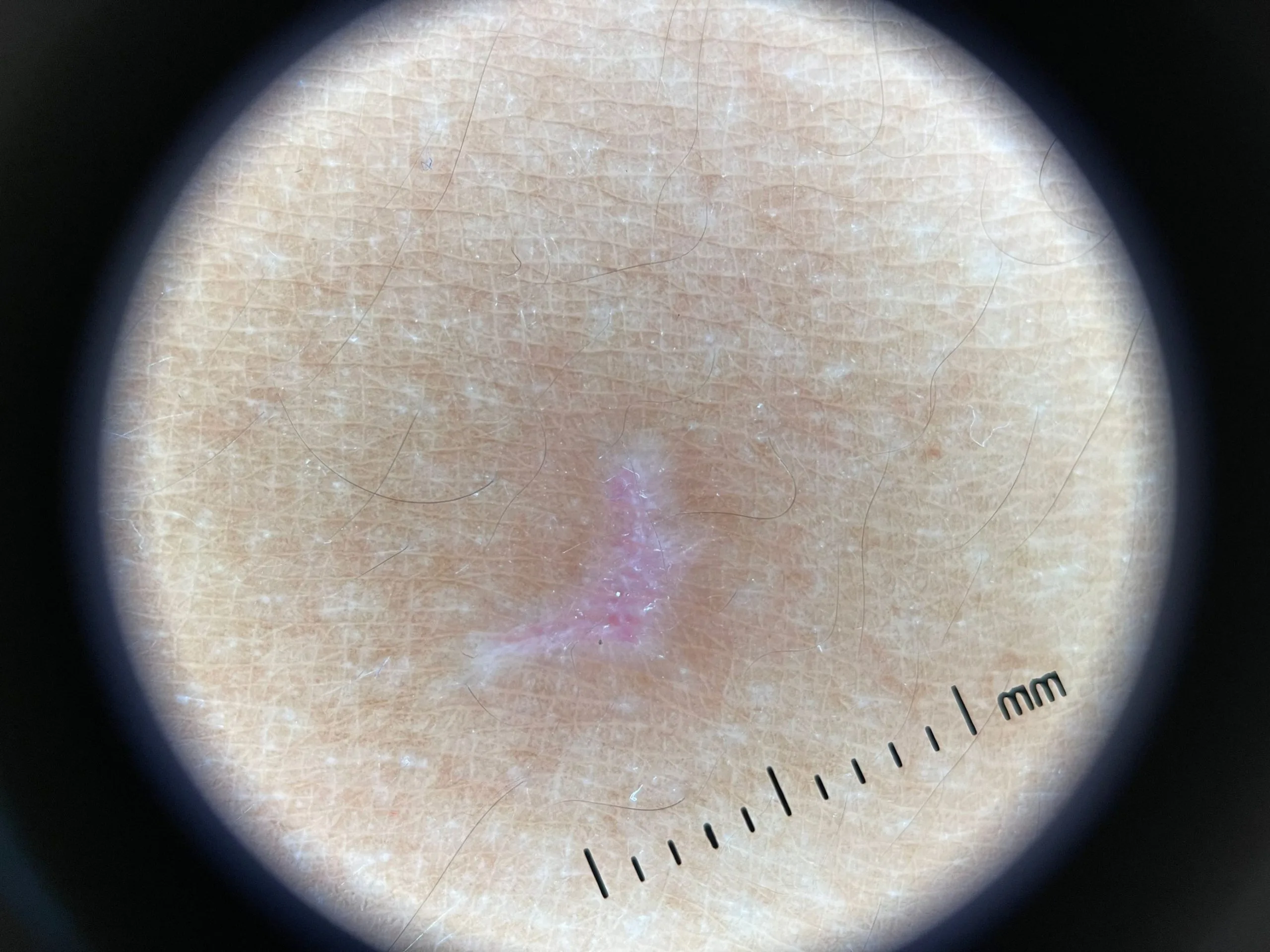
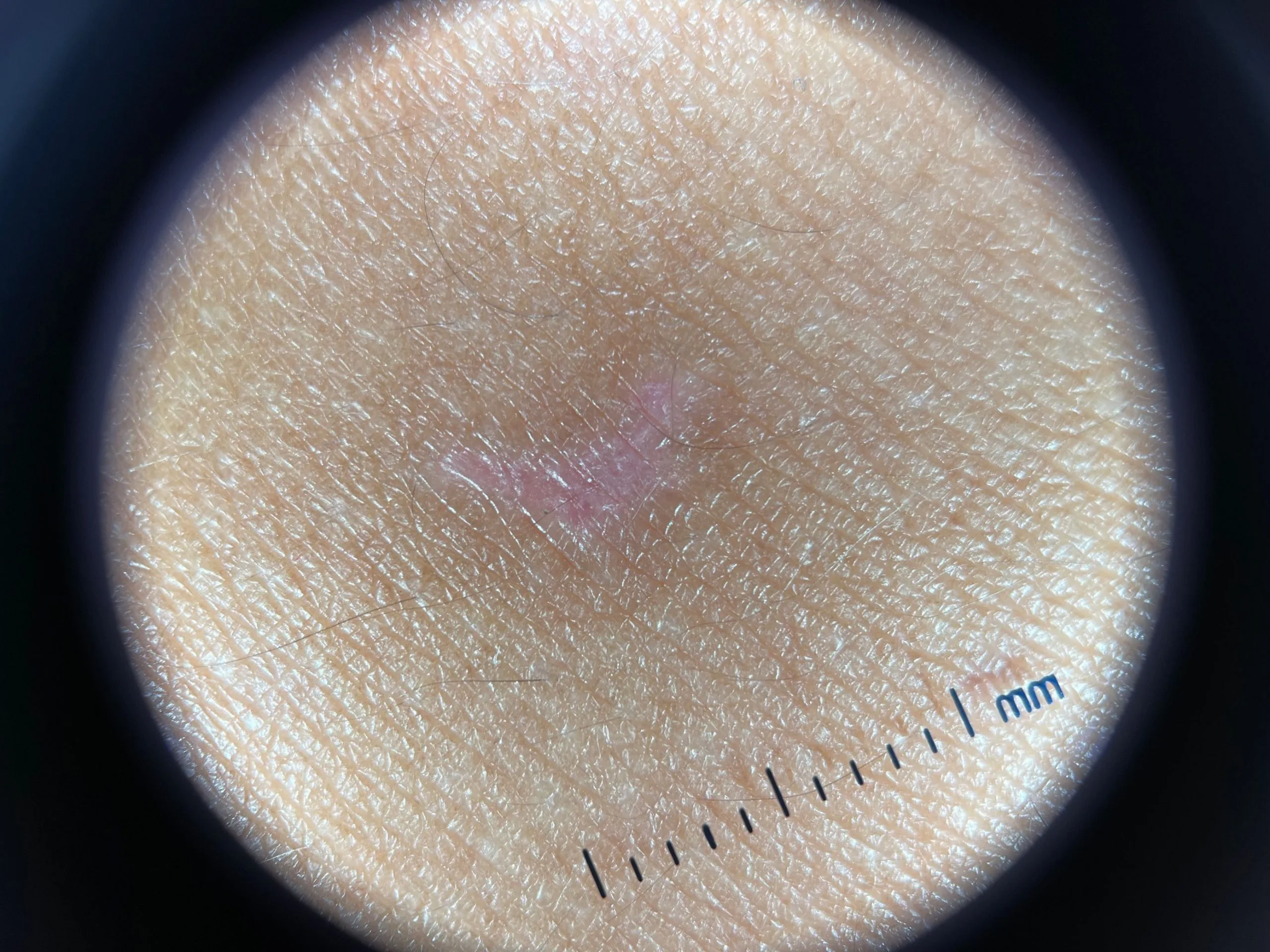
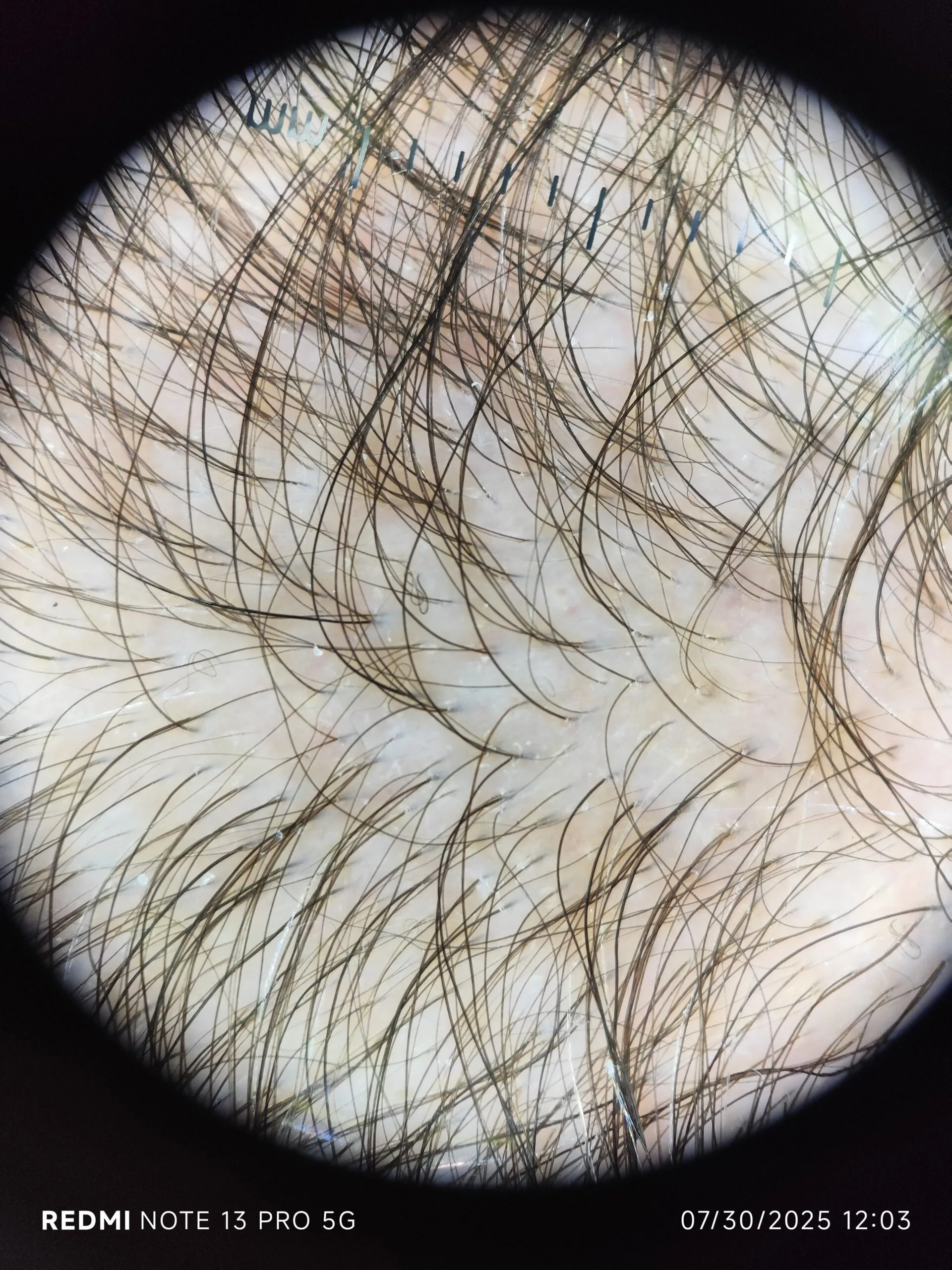
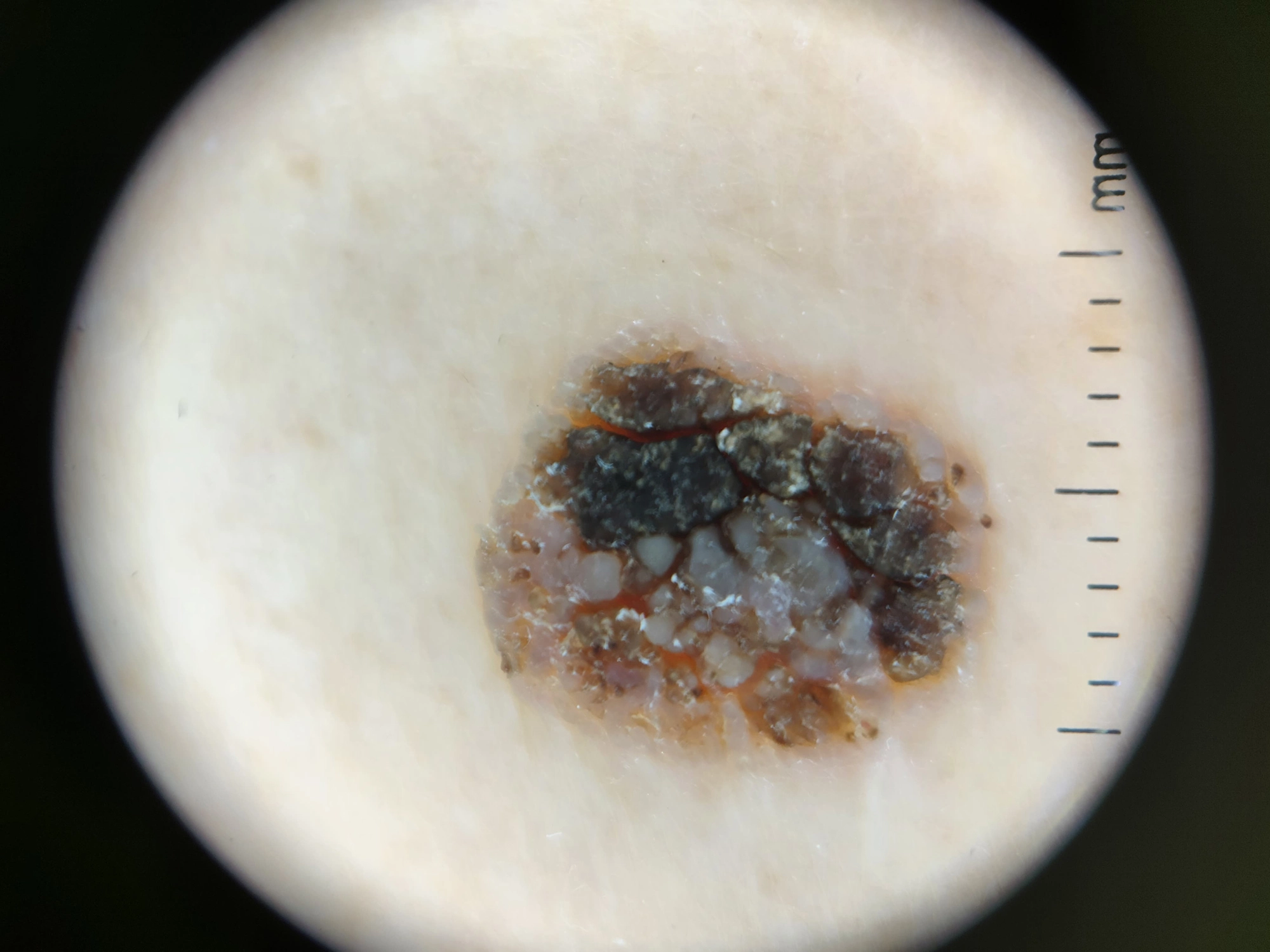
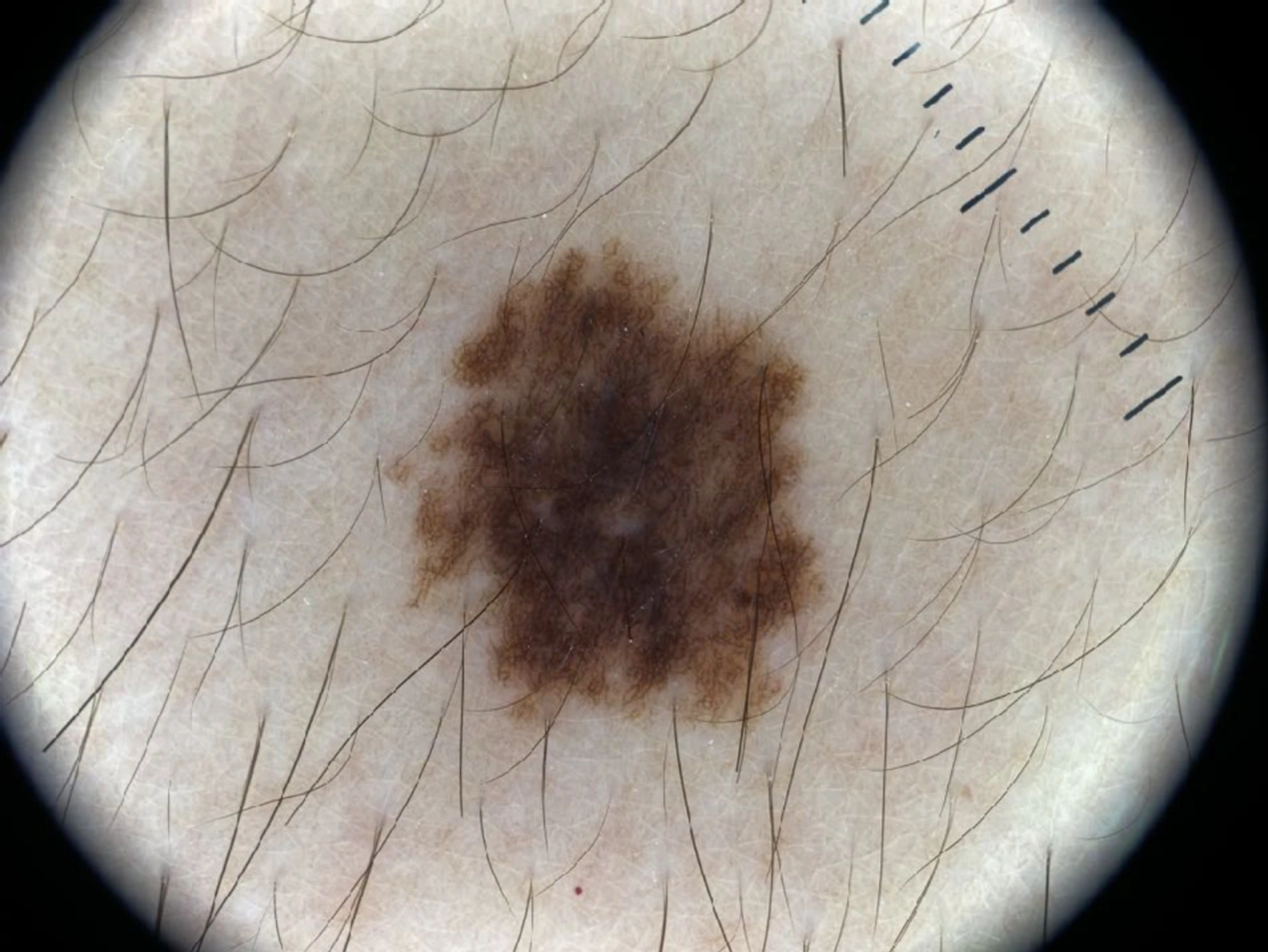
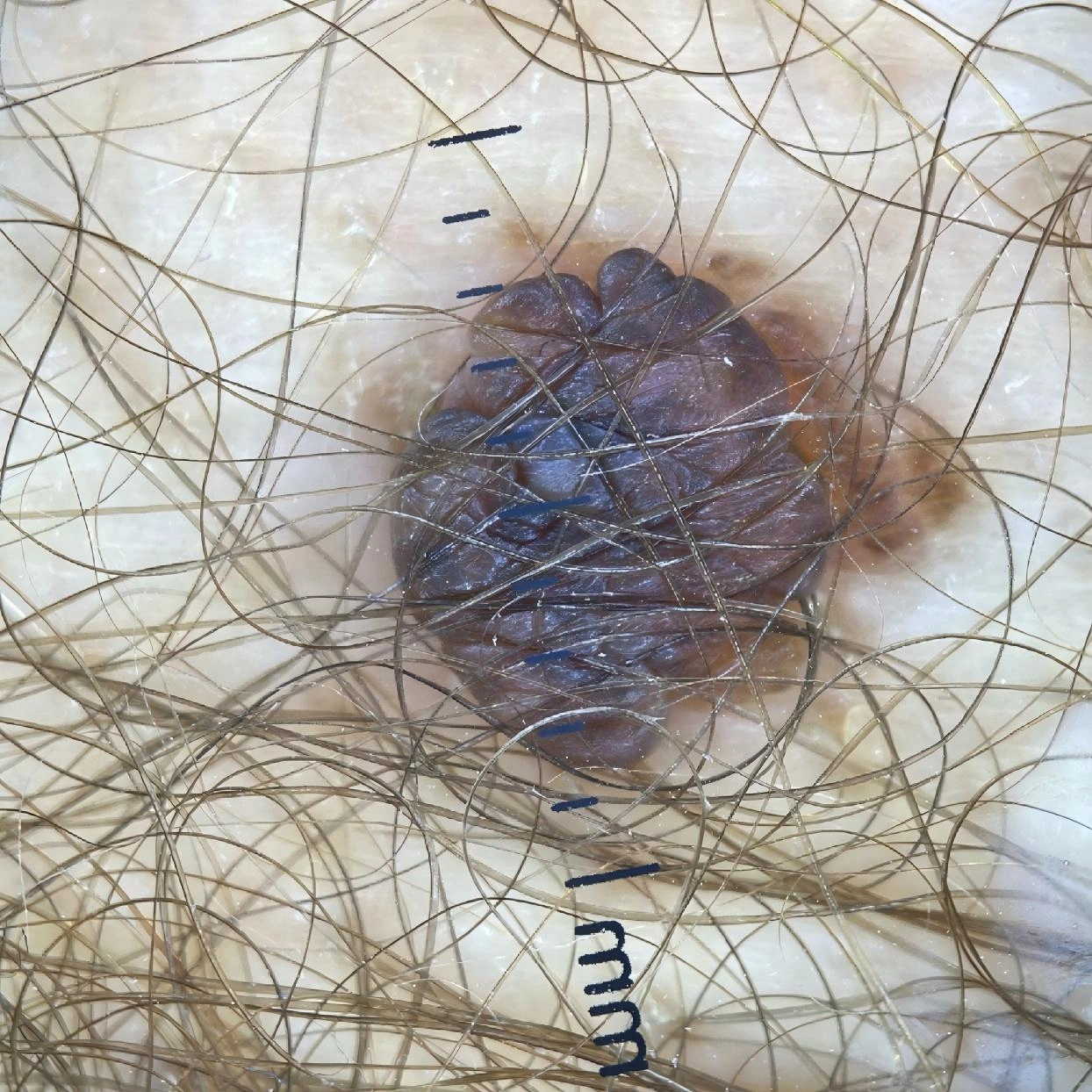
A Picture Speaks a Thousand Words
How Does it Compare
There’s an influx of dermatoscope on the market. Our devices are remarkable blend of pro-level features and affordable price. Their premium optics and efficient LED system delivers sharp & precise images.
- OPTICAL DESIGN
- LENS DIAMETER
- MAGNIFICATION
- LIGHTING SYSTERM
- BATTERY
- CONNECTABILITY
- ADJUSTABLE
- COST
- OPTICAL DESIGN4 elements 3 groups
- LENS DIAMETER32mm/25mm
- MAGNIFICATION10 times
- LIGHTING SYSTERM30 LEDs, polarise, non polarise, amber light
- BATTERY1000mAh
- CONNECTABILITYnaked eye, phone, tablet, digital camera
- ADJUSTABLEfocus
- COST$499.00
- OPTICAL DESIGN5 elements 4 groups
- LENS DIAMETER25mm/17mm
- MAGNIFICATION10 times
- LIGHTING SYSTERM16 LEDs, polarise, non polarise, UV light
- BATTERY300mAh
- CONNECTABILITYsmartphone & tablet
- ADJUSTABLEnon adjustable
- COST$399.00
- OPTICAL DESIGN4 elements 3 groups
- LENS DIAMETER46mm/17mm
- MAGNIFICATION10 times
- LIGHTING SYSTERM12 LEDs, polarization, non polarization
- BATTERY200mAh
- CONNECTABILITYsmartphone & tablet
- ADJUSTABLEnon adjustable
- COST$179.00
- OPTICAL DESIGN4 elements 3 groups
- LENS DIAMETER30mm/17mm
- MAGNIFICATION6 times
- LIGHTING SYSTERM6 LEDs, polarization, non polarization
- BATTERY200mAh
- CONNECTABILITYsmartphone & tablet
- ADJUSTABLEnon adjustable
- COST$109.00

| Product | LENS DIAMETER | OPTICAL DESIGN | MAGNIFICATION | LIGHTING SYSTERM | BATTERY | CONNECTABILITY | ADJUSTABLE | COST |
|---|---|---|---|---|---|---|---|---|
DE-3100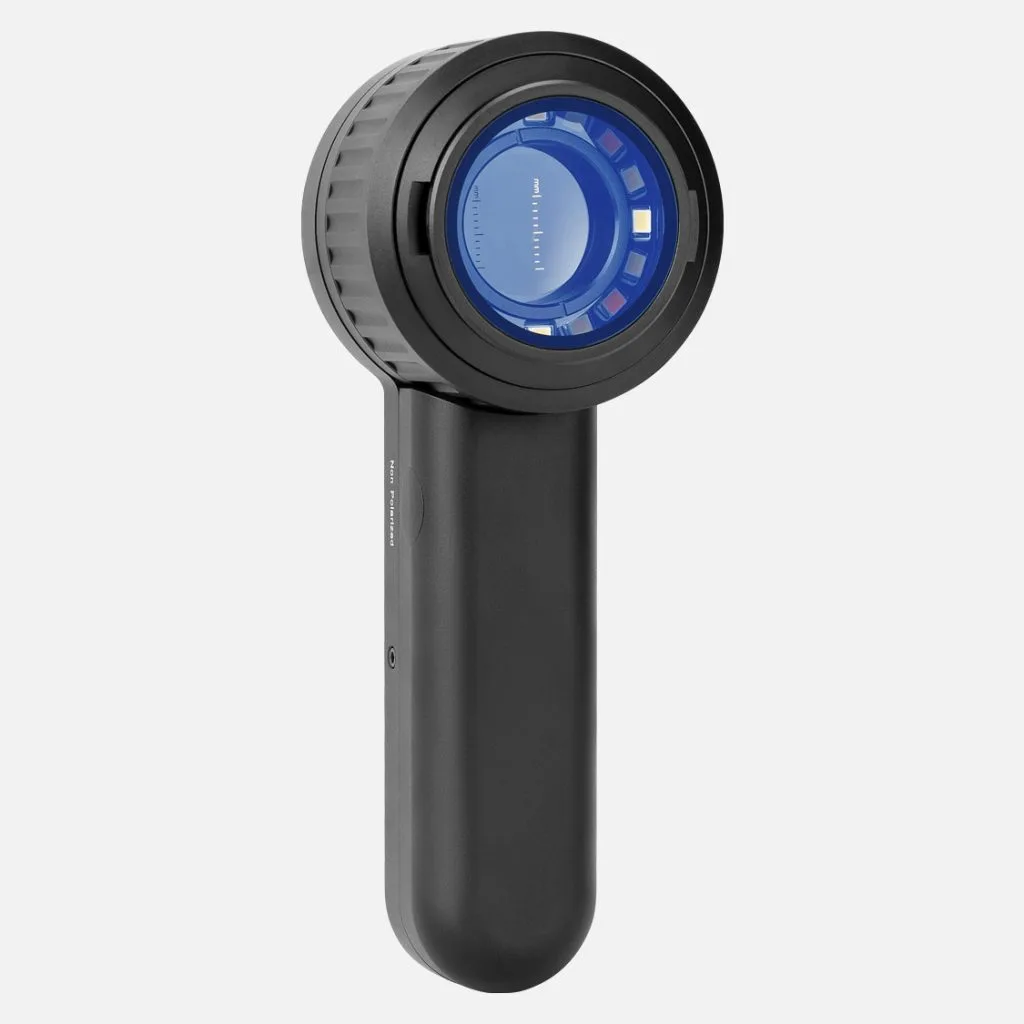 |
32mm/25mm | 4 elements 3 groups | 10 times | 30 LEDs, polarise, non polarise, amber light | 1000mAh | naked eye, phone, tablet, digital camera | focus | $499.00 |
DE-500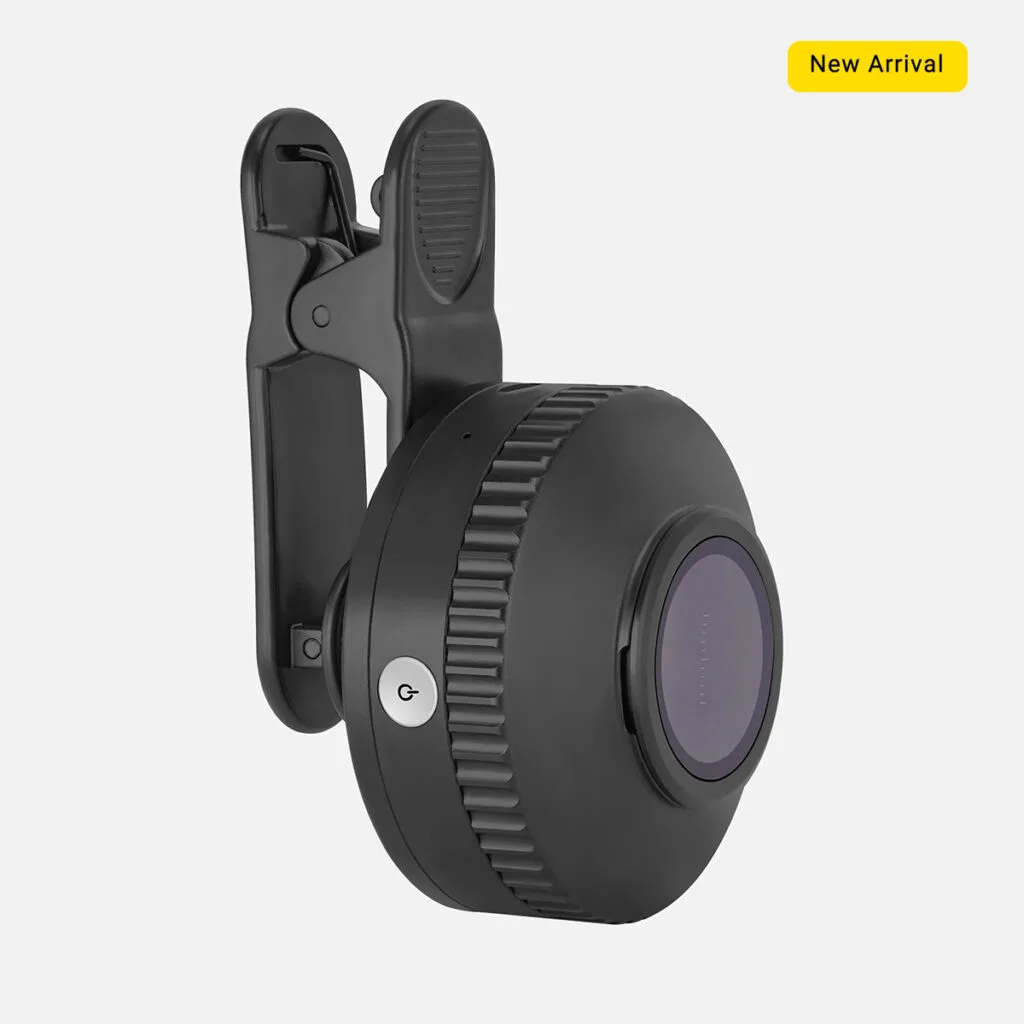 |
25mm/17mm | 4 elements 3 groups | 10 times | 16 LEDs, polarise, non polarise, UV light | 200mAh | smartphone & tablet | brightness | $399.00 |
DE-400 |
46mm/17mm | 4 elements 3 groups | 10 times | 12 LEDs, polarization, non polarization | 200mAh | smartphone & tablet | non adjustable | $179.00 |
DE-300 |
30mm/17mm | 4 elements 3 groups | 6 times | 6 LEDs, polarization, non polarization | 200mAh | smartphone & tablet | non adjustable | $109.00 |
What’s in the Box?
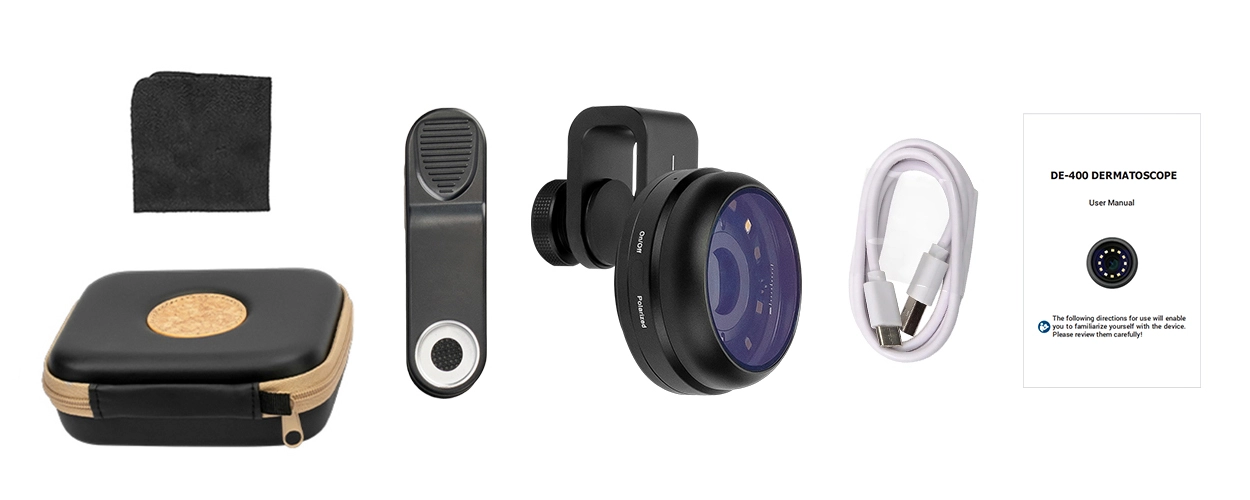
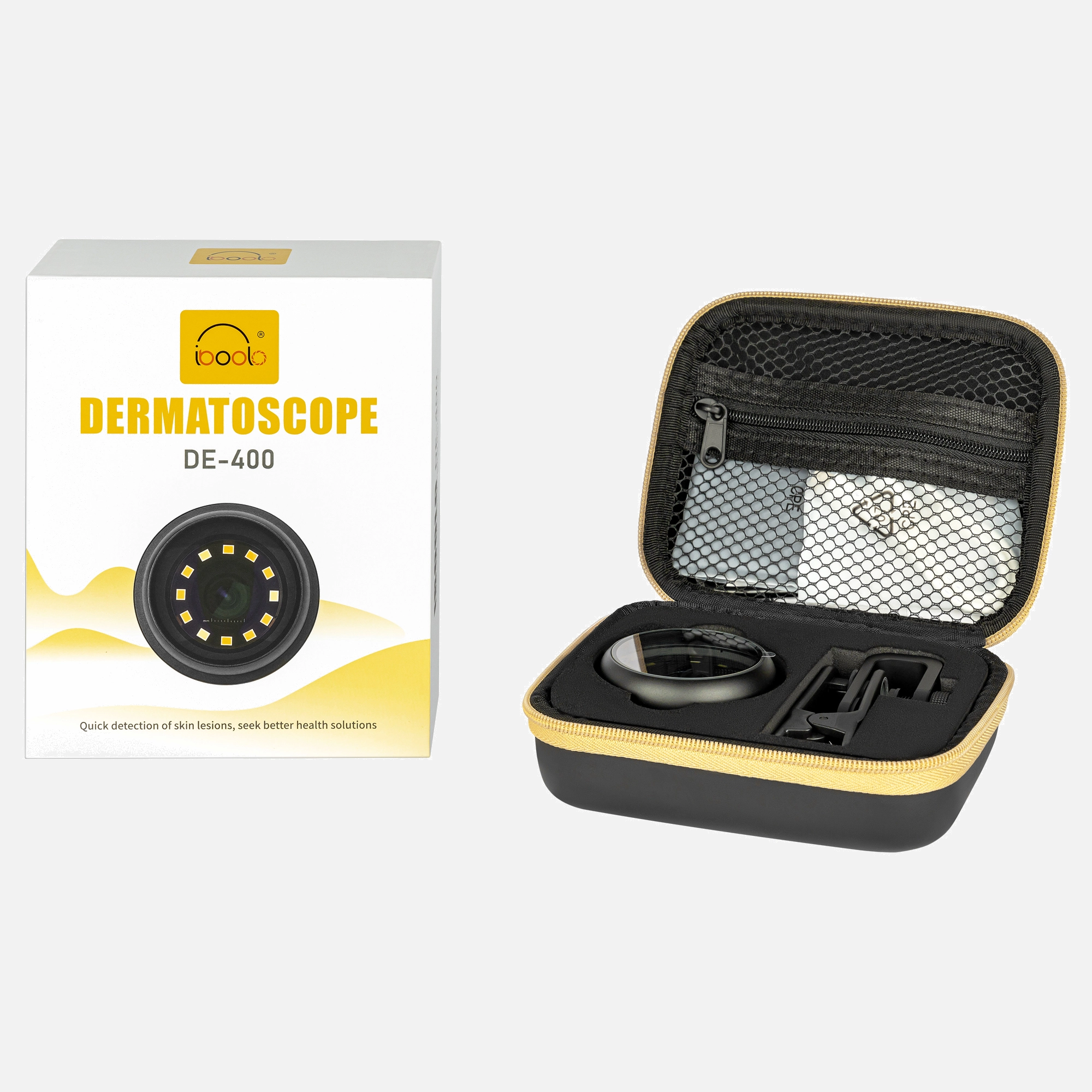
- DE-400 Dermatoscope
- Metal Phone Adapter
- Universal PlasticPhone Adapter
- Charging Cable
- Clean Cloth
- Carrying Case
- User Manual
Shot on Spot
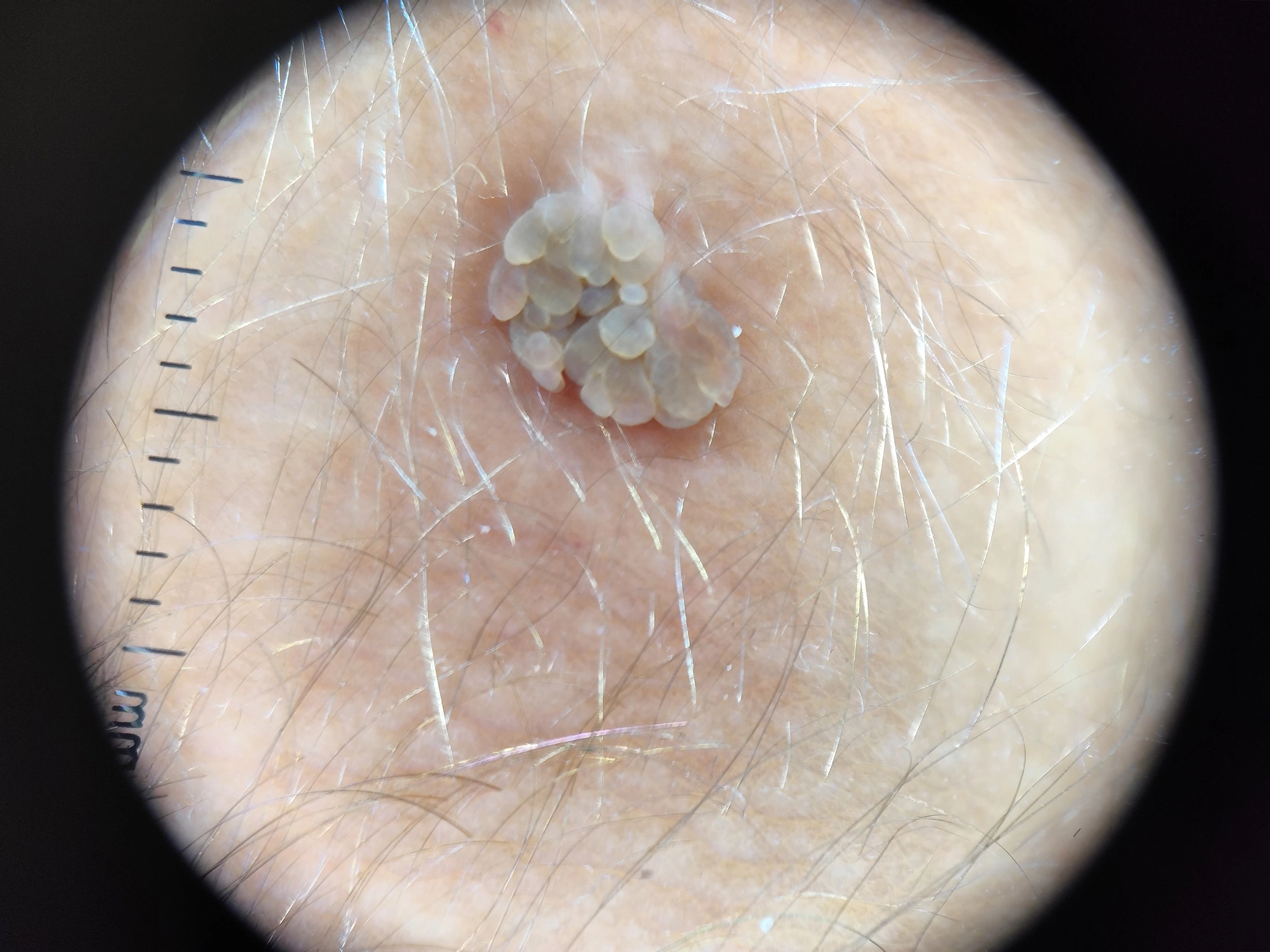
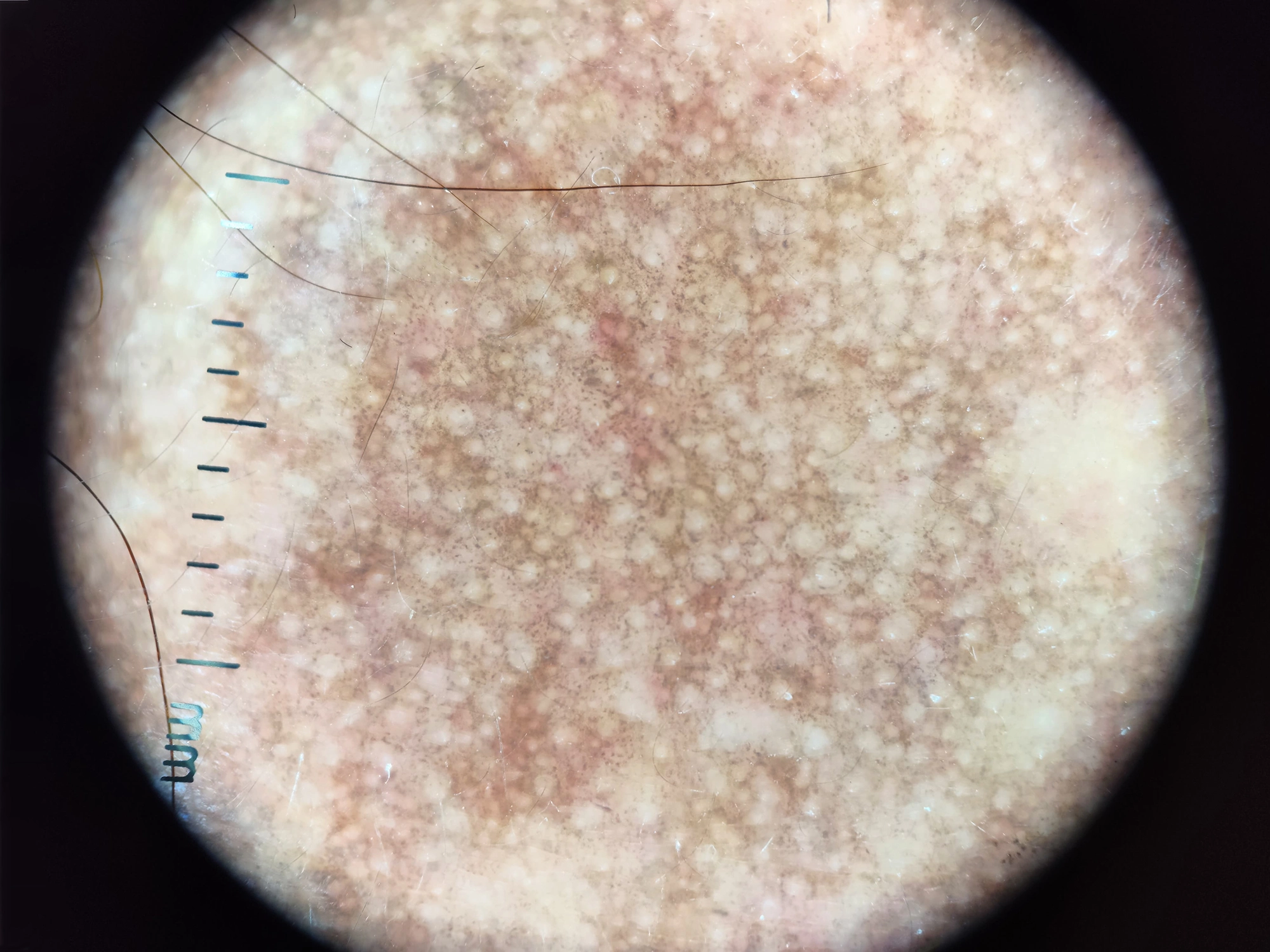
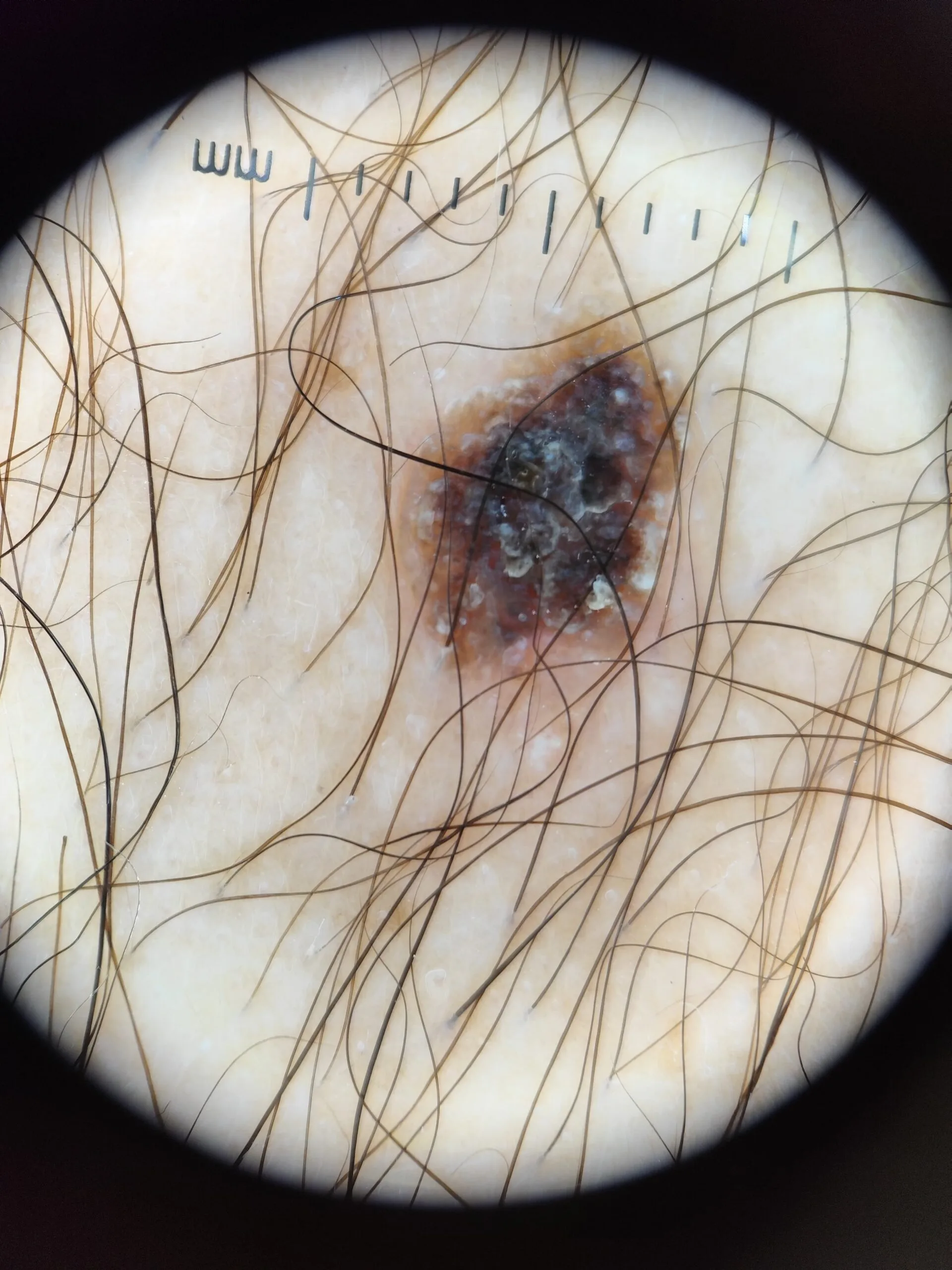
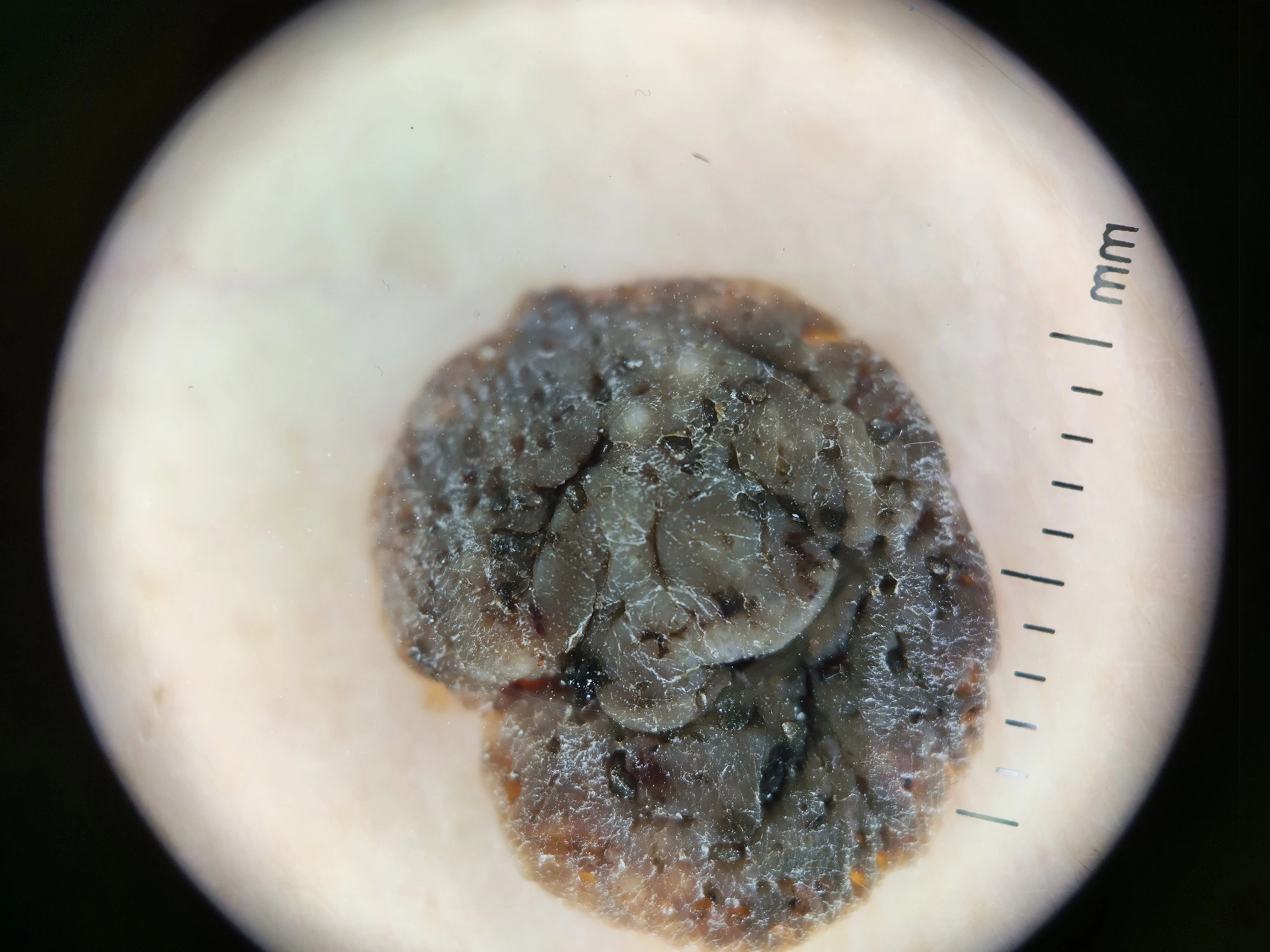

You might also like
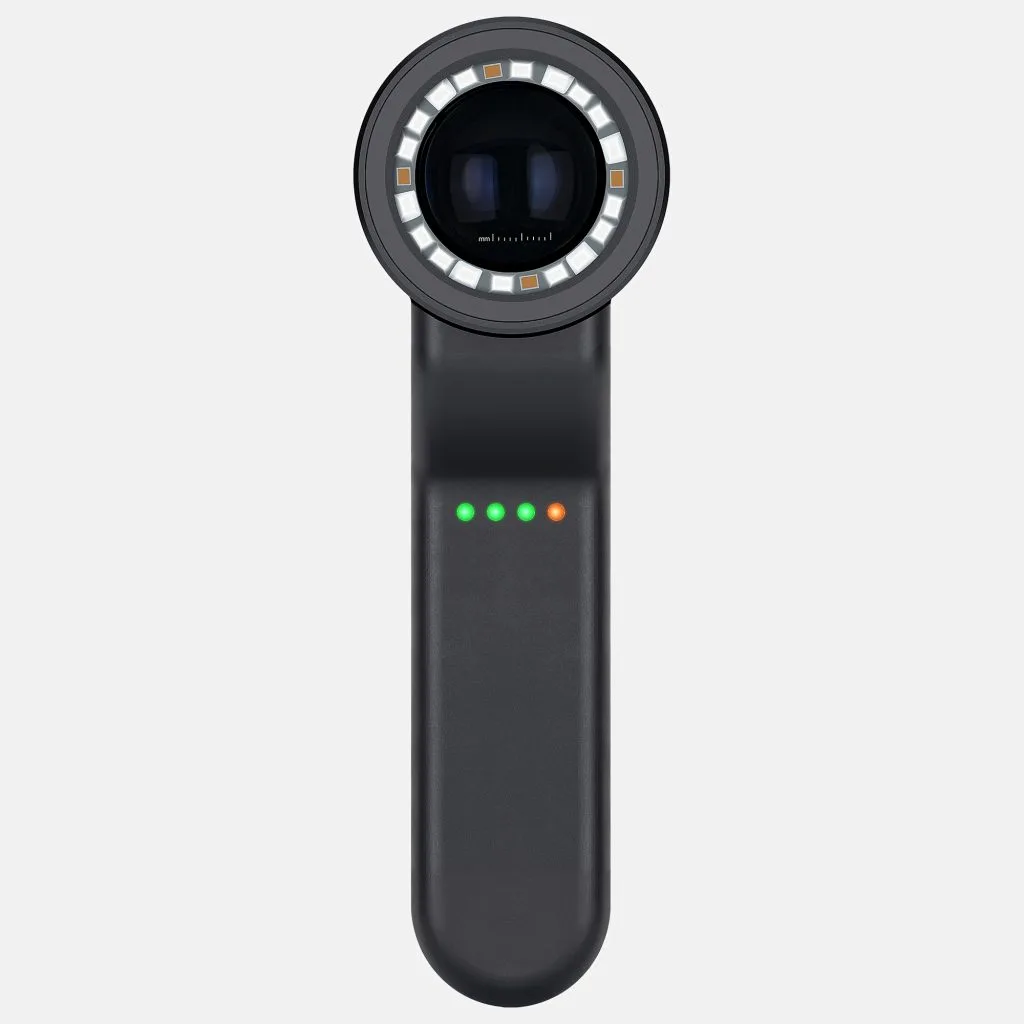
DE-4100 Dermatoscope
$699.00
DE-3100 Dermatoscope
$499.00
DE-500 Dermatoscope
$399.00
DE-300 Dermatoscope
$109.00

Reviews
1 review for DE-400 Dermatoscope
Only logged in customers who have purchased this product may leave a review.
Learn More
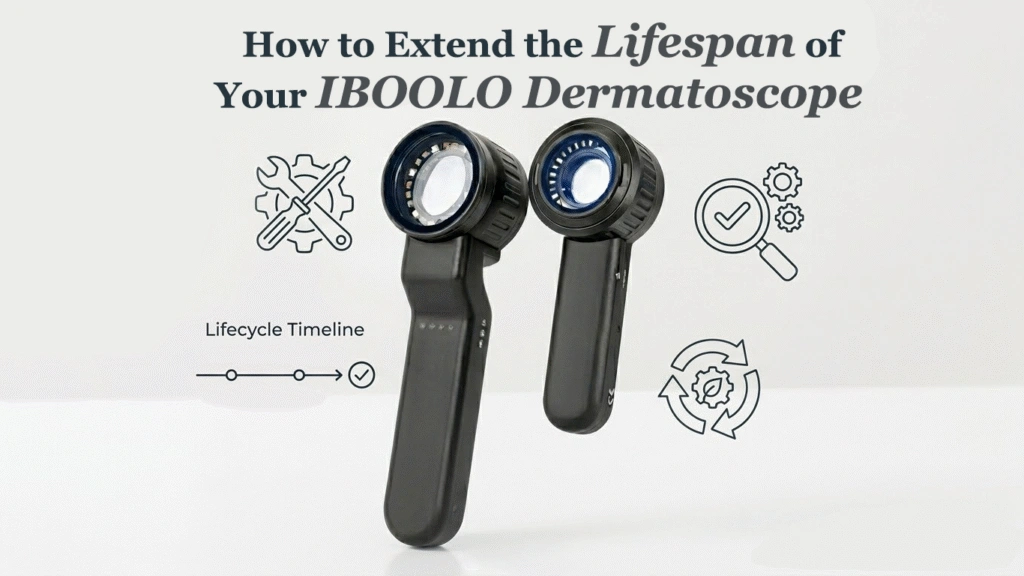
Maintenance Protocol: How to Extend the Lifespan of Your IBOOLO Dermatoscope
Optical clarity is the cornerstone of accurate dermatological assessment. The achromatic lens system used in devices such as the IBOOLO DE-4100 Dermatoscope relies on precision multi-layer coatings to minimize chromatic…
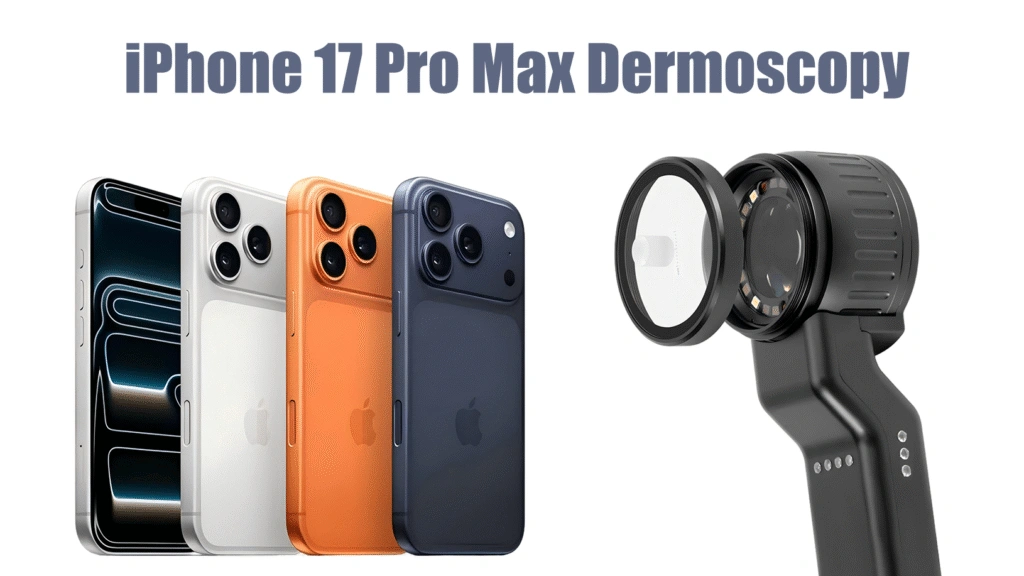
iPhone 17 Pro Max Dermoscopy: How to Optimize High-Resolution Skin Imaging with IBOOLO Universal Adapters
The release of the iPhone 17 Pro Max marks a significant leap in mobile imaging technology. With its advanced sensor upgrades and computational photography, it offers unprecedented potential for clinical…
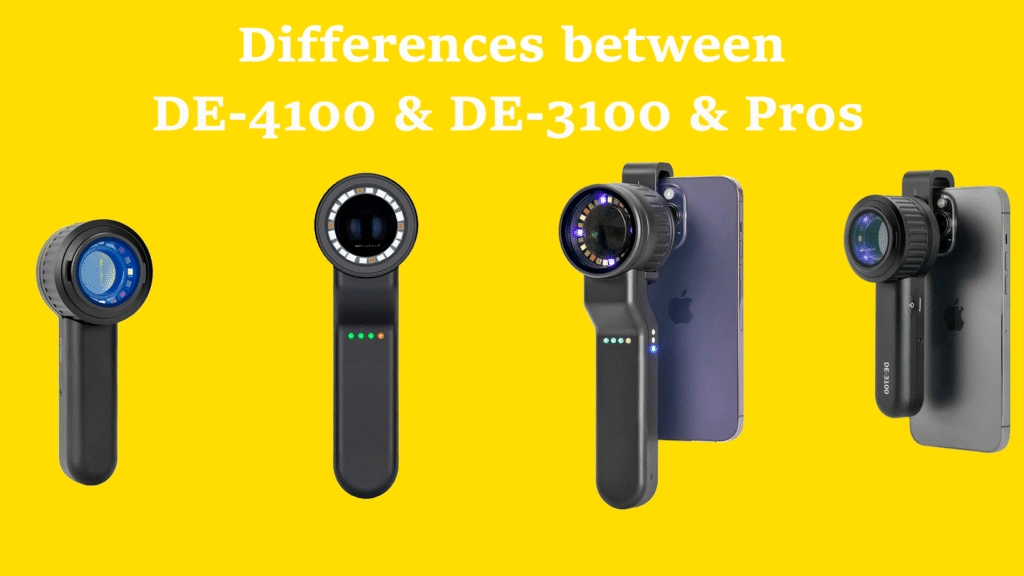
What Are the Differences Between the DE-3100 and DE-4100, and the Pro version?
A dermatoscope is more than just a magnifying glass with a light. It utilizes polarized and non-polarized light to eliminate surface reflection from the stratum corneum, allowing a clear view…


NikkoVanda Limantara Indonesia
–
Indonesia
–
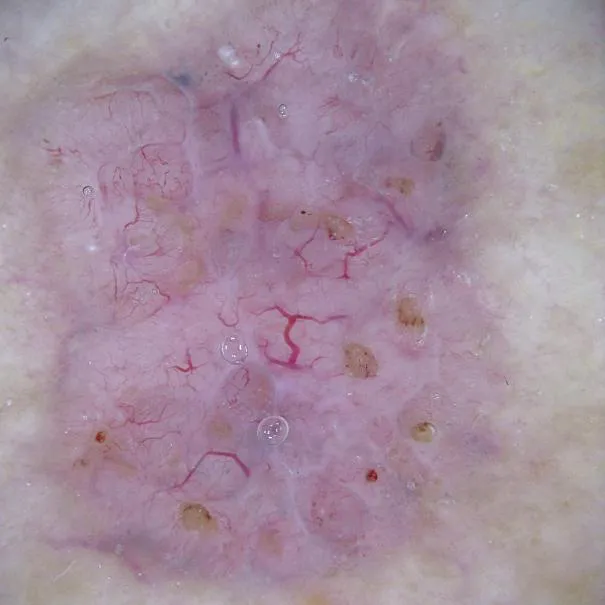
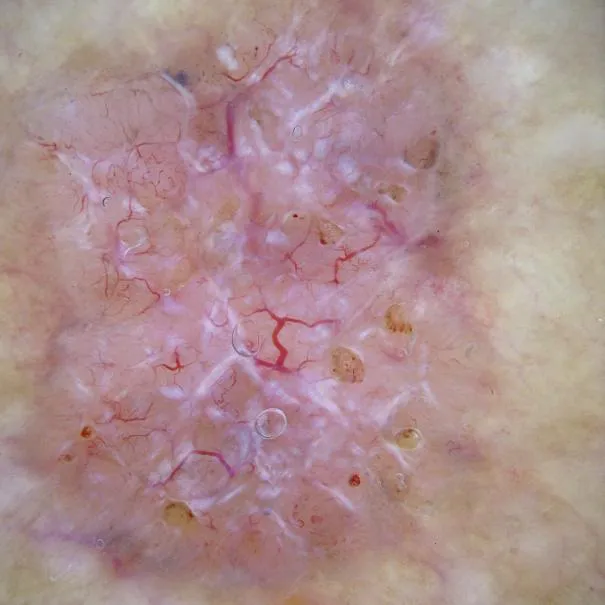
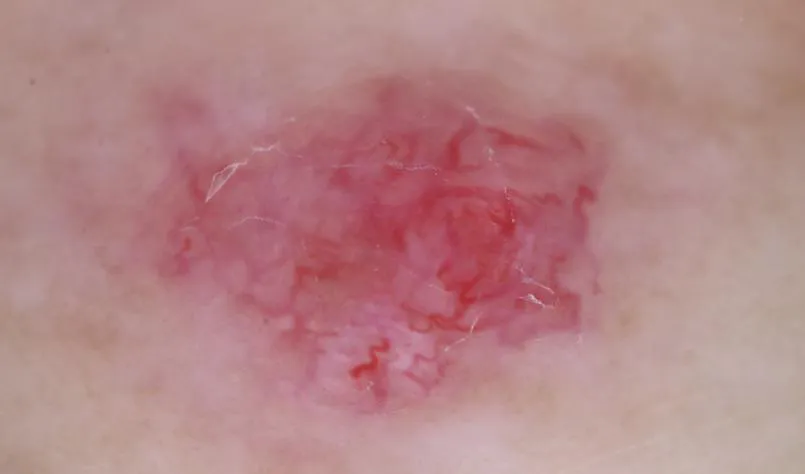
Great product, highly impressed with the quality! The dermatoscope provides clear, detailed images and is super easy to use. It’s lightweight and portable, making it perfect for both professional and personal use. The seller was also fantastic—quick to ship and very responsive.